


Gifting Made Simple
Give the Gift of ChoiceClick below to purchase a Prairie Mall eGift Card that can be used at participating retailers at Prairie Mall.Buy Gift CardHome
Emerging Powers, Global Justice and International Economic Law: Reformers of an Unjust Order?
Coles
Loading Inventory...
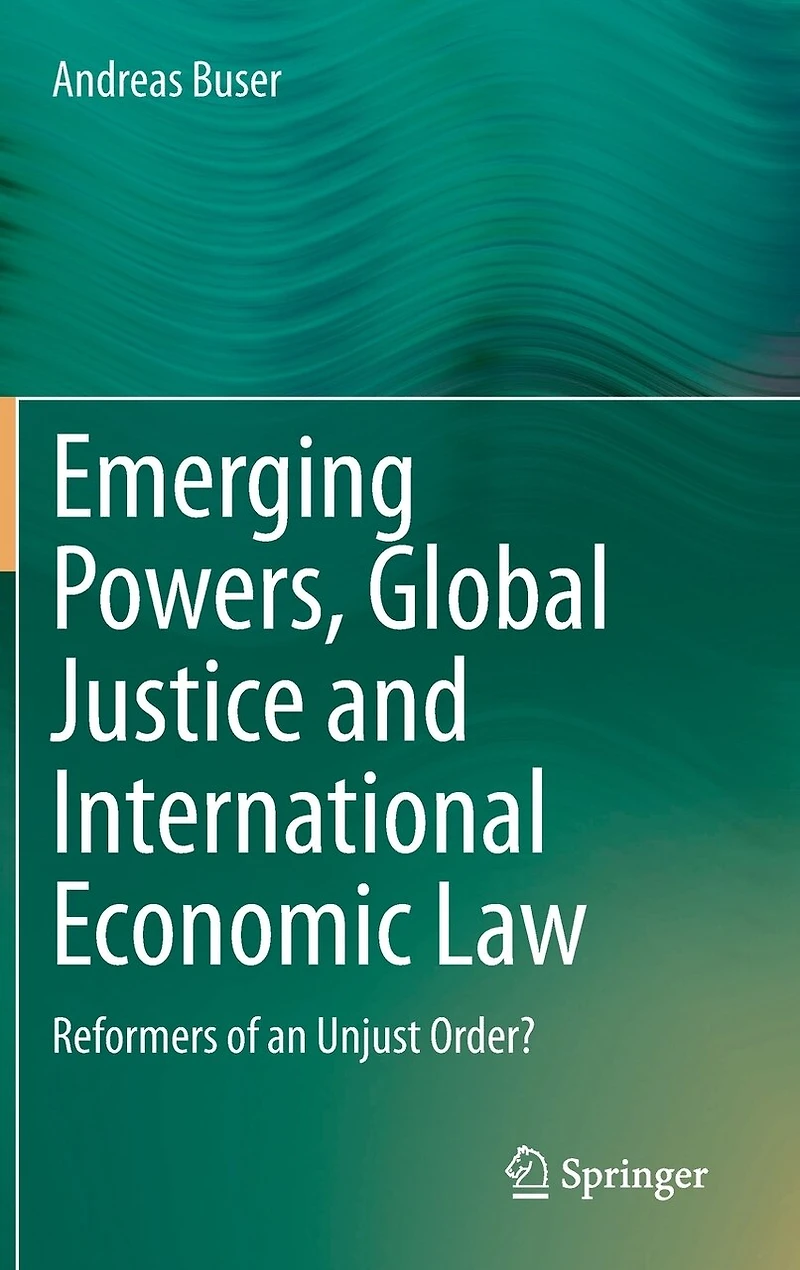
Emerging Powers, Global Justice and International Economic Law: Reformers of an Unjust Order? in Grande Prairie, AB
Current price: $233.95
Coles
Emerging Powers, Global Justice and International Economic Law: Reformers of an Unjust Order? in Grande Prairie, AB
Current price: $233.95
Loading Inventory...
Size: Hardcover
*Product information and pricing may vary - to confirm current pricing, availability, shipping, and return information please contact Coles. In the event of a pricing discrepancy, the retailer's price will apply.
The book assesses emerging powers' influence on international economic law and analyses whether their rhetoric of reforming this 'unjust' order translates into concrete reforms. The questions at the heart of the book surround the extent to which Brazil, Russia, India, China, and South Africa individually and as a bloc (BRICS) provide alternative regulatory ideas to those of 'Western' States and whether they are able to convert their increased power into influence on global regulation. To do so, the book investigates two broader case studies, namely, the reform of international investment agreements and WTO reform negotiations since the start of the Doha Development Round. As a general outcome, it finds that emerging powers do not radically challenge established law. 'Third World' rhetoric mostly does not translate into practice and rather serves to veil economic interests. Still, emerging powers provide for some alternative regulatory ideas, already leading to a diversification of international economic law. As a general rule, they tend to support norms that allow host States much policy space which could be used to protect and fulfil socio-economic human rights, especially - but not only - in the Global South.
The book assesses emerging powers' influence on international economic law and analyses whether their rhetoric of reforming this 'unjust' order translates into concrete reforms. The questions at the heart of the book surround the extent to which Brazil, Russia, India, China, and South Africa individually and as a bloc (BRICS) provide alternative regulatory ideas to those of 'Western' States and whether they are able to convert their increased power into influence on global regulation. To do so, the book investigates two broader case studies, namely, the reform of international investment agreements and WTO reform negotiations since the start of the Doha Development Round. As a general outcome, it finds that emerging powers do not radically challenge established law. 'Third World' rhetoric mostly does not translate into practice and rather serves to veil economic interests. Still, emerging powers provide for some alternative regulatory ideas, already leading to a diversification of international economic law. As a general rule, they tend to support norms that allow host States much policy space which could be used to protect and fulfil socio-economic human rights, especially - but not only - in the Global South.
You May Also Like









Find at Prairie Mall in Grande Prairie, AB
Visit at Prairie Mall in Grande Prairie, AB