


Gifting Made Simple
Give the Gift of ChoiceClick below to purchase a Prairie Mall eGift Card that can be used at participating retailers at Prairie Mall.Buy Gift CardHome
Elsa Gramcko: The Invisible Plot of Things
Coles
Loading Inventory...
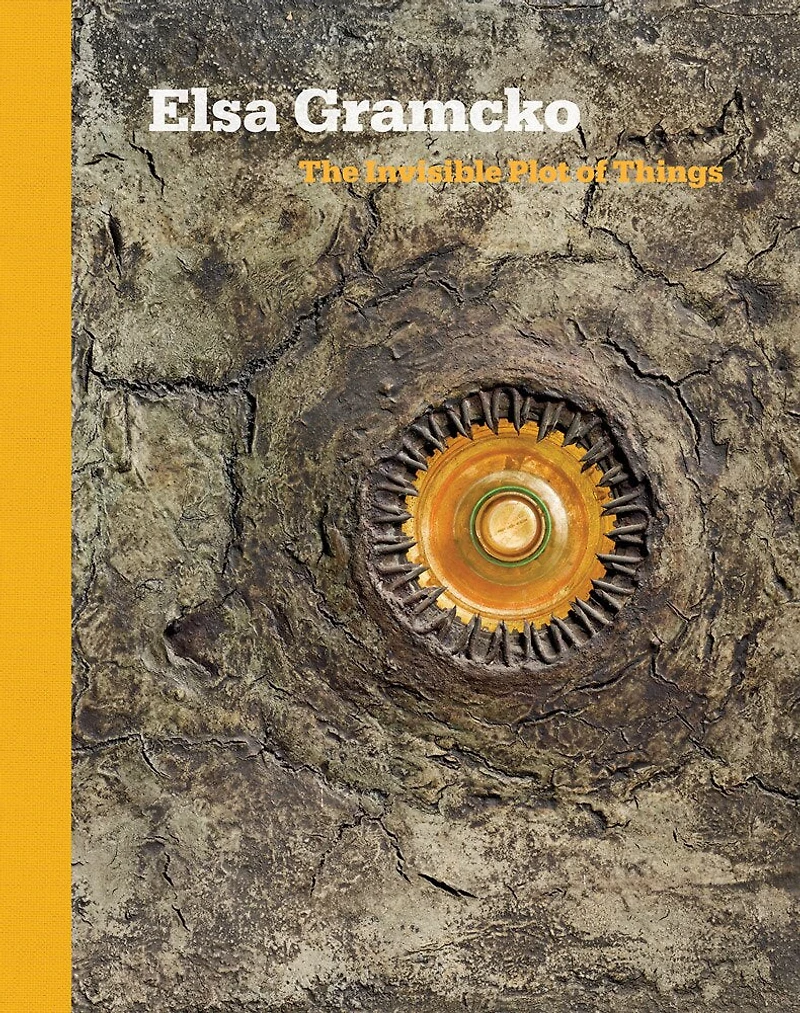
Elsa Gramcko: The Invisible Plot of Things in Grande Prairie, AB
Current price: $70.00
Coles
Elsa Gramcko: The Invisible Plot of Things in Grande Prairie, AB
Current price: $70.00
Loading Inventory...
Size: Hardcover
*Product information and pricing may vary - to confirm current pricing, availability, shipping, and return information please contact Coles. In the event of a pricing discrepancy, the retailer's price will apply.
The first substantial monograph on Elsa Gramcko, an artist who redefined abstraction and assemblage Postwar artist Elsa Gramcko (1925–94) never identified her practice with a formal artistic movement but freely explored geometric abstraction, Surrealism and Informalism through painting, assemblage, and sculpture. She is often associated with prominent Venezuelan women artists such as Gego (Gertrude Goldschmidt), Tecla Tofano and Mercedes Pardo, who also began to expand the limits of art in the 1960s.
The publication frames Gramcko’s contribution to global modernism outside the doctrinal limitations of the avant-garde, offering a comprehensive survey of her artistic practice from the mid-1950s through the mid-1970s—from her paintings of graphic, biomorphic shapes to her groundbreaking assemblages made of conglomerate techniques that morphed the use of found wooden boards and planks. It includes essays by Gabriela Rangel and art historian and writer Aruna D’Souza, which examine Gramcko’s critical approach to petro-modernity, along with with unpublished letters the artist wrote to Alejandro Otero in the early 1960s that defined her relationship to objecthood.
The first substantial monograph on Elsa Gramcko, an artist who redefined abstraction and assemblage Postwar artist Elsa Gramcko (1925–94) never identified her practice with a formal artistic movement but freely explored geometric abstraction, Surrealism and Informalism through painting, assemblage, and sculpture. She is often associated with prominent Venezuelan women artists such as Gego (Gertrude Goldschmidt), Tecla Tofano and Mercedes Pardo, who also began to expand the limits of art in the 1960s.
The publication frames Gramcko’s contribution to global modernism outside the doctrinal limitations of the avant-garde, offering a comprehensive survey of her artistic practice from the mid-1950s through the mid-1970s—from her paintings of graphic, biomorphic shapes to her groundbreaking assemblages made of conglomerate techniques that morphed the use of found wooden boards and planks. It includes essays by Gabriela Rangel and art historian and writer Aruna D’Souza, which examine Gramcko’s critical approach to petro-modernity, along with with unpublished letters the artist wrote to Alejandro Otero in the early 1960s that defined her relationship to objecthood.
You May Also Like











Find at Prairie Mall in Grande Prairie, AB
Visit at Prairie Mall in Grande Prairie, AB