


Gifting Made Simple
Give the Gift of ChoiceClick below to purchase a Prairie Mall eGift Card that can be used at participating retailers at Prairie Mall.Buy Gift CardHome
Elder Brother and the Law of People: Contemporary Kinship Cowessess First Nation
Coles
Loading Inventory...
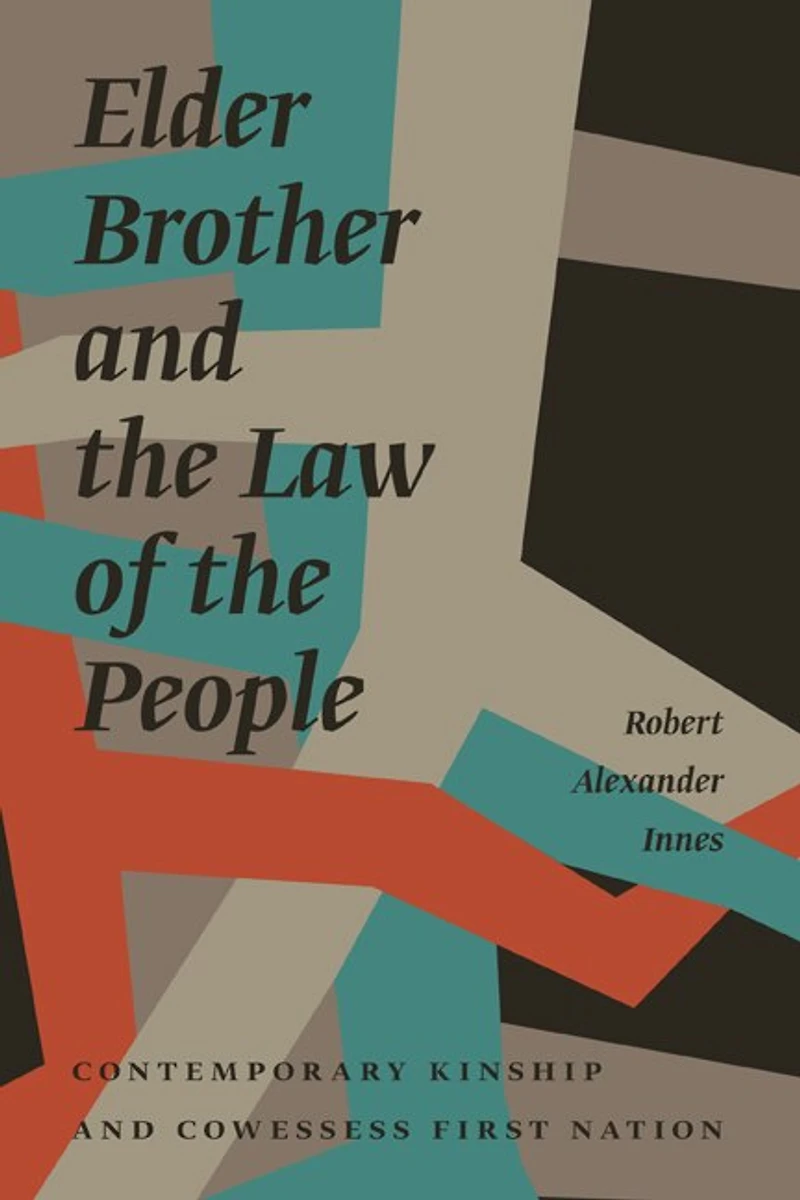
Elder Brother and the Law of People: Contemporary Kinship Cowessess First Nation in Grande Prairie, AB
Current price: $81.75
Coles
Elder Brother and the Law of People: Contemporary Kinship Cowessess First Nation in Grande Prairie, AB
Current price: $81.75
Loading Inventory...
Size: Hardcover
*Product information and pricing may vary - to confirm current pricing, availability, shipping, and return information please contact Coles. In the event of a pricing discrepancy, the retailer's price will apply.
In the pre-reserve era, Aboriginal bands in the northern plains were relatively small multicultural communities that actively maintained fluid and inclusive membership through traditional kinship practices. These practices were governed by the Law of the People as described in the traditional stories of Wîsashkêcâhk, or Elder Brother, that outlined social interaction, marriage, adoption, and kinship roles and responsibilities.In Elder Brother and the Law of the People, Robert Innes offers a detailed analysis of the role of Elder Brother stories in historical and contemporary kinship practices in Cowessess First Nation, located in southeastern Saskatchewan. He reveals how these tradition-inspired practices act to undermine legal and scholarly definitions of “Indian” and counter the perception that First Nations people have internalized such classifications. He presents Cowessess’s successful negotiation of the 1996 Treaty Land Agreement and their high inclusion rate of new “Bill-C31s” as evidence of the persistence of historical kinship values and their continuing role as the central unifying factor for band membership.Elder Brother and the Law of the People presents an entirely new way of viewing Aboriginal cultural identity on the northern plains.
In the pre-reserve era, Aboriginal bands in the northern plains were relatively small multicultural communities that actively maintained fluid and inclusive membership through traditional kinship practices. These practices were governed by the Law of the People as described in the traditional stories of Wîsashkêcâhk, or Elder Brother, that outlined social interaction, marriage, adoption, and kinship roles and responsibilities.In Elder Brother and the Law of the People, Robert Innes offers a detailed analysis of the role of Elder Brother stories in historical and contemporary kinship practices in Cowessess First Nation, located in southeastern Saskatchewan. He reveals how these tradition-inspired practices act to undermine legal and scholarly definitions of “Indian” and counter the perception that First Nations people have internalized such classifications. He presents Cowessess’s successful negotiation of the 1996 Treaty Land Agreement and their high inclusion rate of new “Bill-C31s” as evidence of the persistence of historical kinship values and their continuing role as the central unifying factor for band membership.Elder Brother and the Law of the People presents an entirely new way of viewing Aboriginal cultural identity on the northern plains.
You May Also Like








Find at Prairie Mall in Grande Prairie, AB
Visit at Prairie Mall in Grande Prairie, AB