


Gifting Made Simple
Give the Gift of ChoiceClick below to purchase a Prairie Mall eGift Card that can be used at participating retailers at Prairie Mall.Buy Gift CardHome
Egyptian Foreign Relations Under al-Sisi: External Alignments Since 2013
Coles
Loading Inventory...
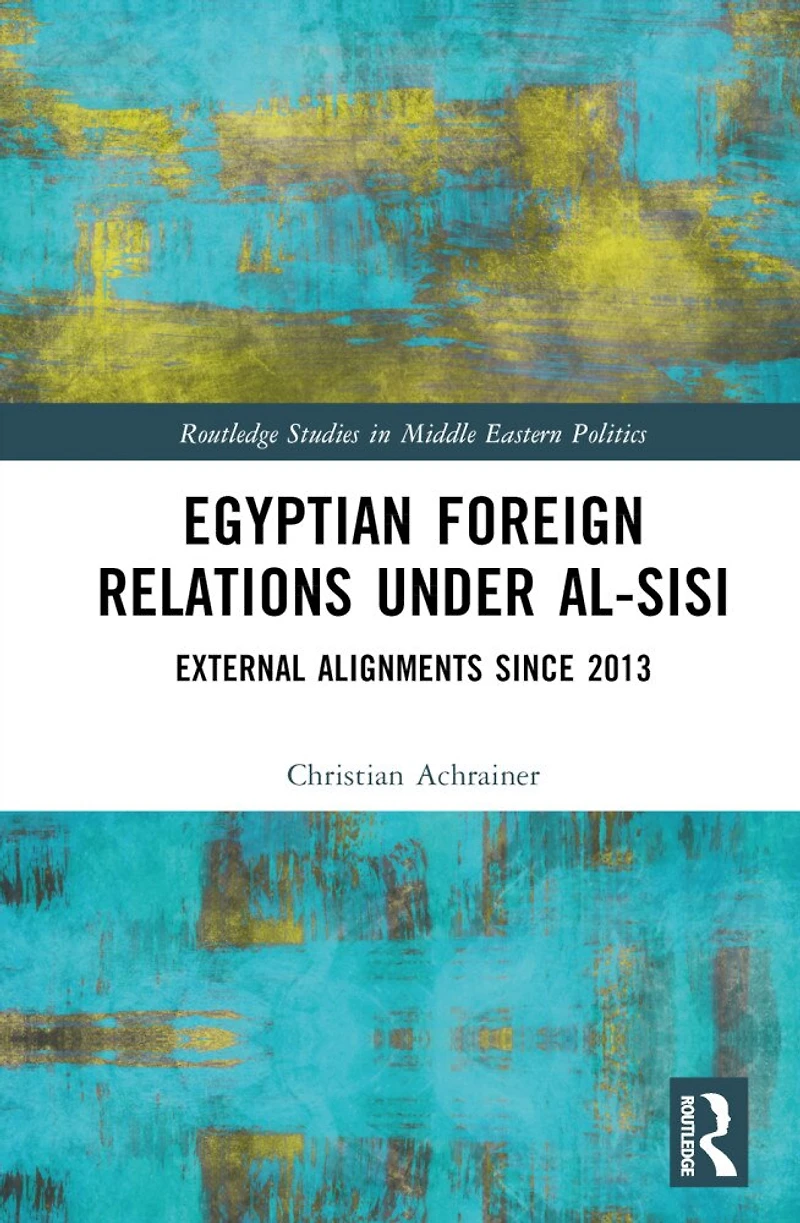
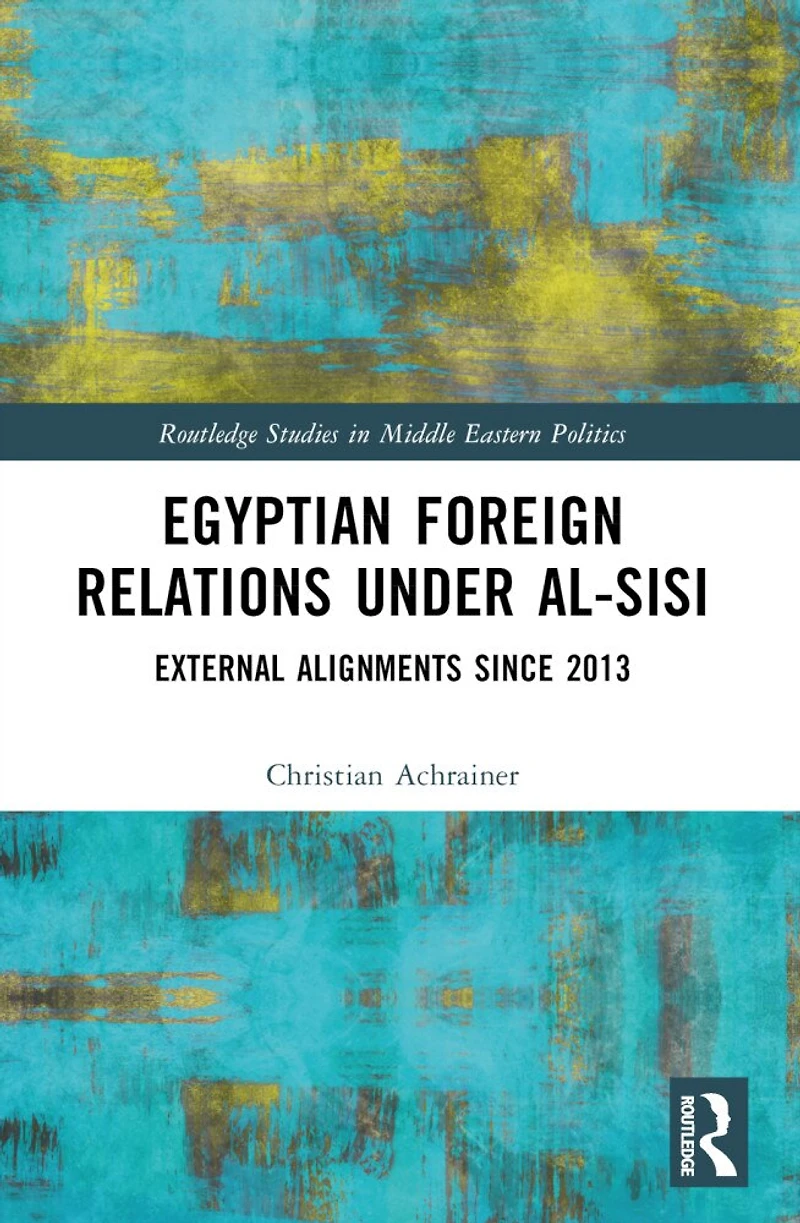
Egyptian Foreign Relations Under al-Sisi: External Alignments Since 2013 in Grande Prairie, AB
Current price: $296.50
Coles
Egyptian Foreign Relations Under al-Sisi: External Alignments Since 2013 in Grande Prairie, AB
Current price: $296.50
Loading Inventory...
Size: Hardcover
*Product information and pricing may vary - to confirm current pricing, availability, shipping, and return information please contact Coles. In the event of a pricing discrepancy, the retailer's price will apply.
Considering both changes and continuities, this book examines how, why, and along which lines Egypt's external alignments under the al-Sisi regime emerged and developed. Egypt's foreign relations have changed substantially since the current regime took power in 2013. To assess this, the author develops and applies a unique analytical approach: the model of 'two-staged alignment formation.' In the first stage, domestic threats to the Egyptian regime's survival determined specific needs the regime tried to meet by approaching external partners. In the second stage, characteristics of the global and regional environments defined opportunities and constraints and therefore the regime's options and logical choices. In sum, the interplay of developments on the domestic, regional, and global levels resulted in a diversification of Egypt's external alignments, with China and Russia joining the EU and the US as Egypt's main global partners, and Saudi Arabia and the United Arab Emirates emerging as the regime's prime regional partners. Explaining the emerging alignment patterns from 2013 until 2017, this book aids understanding of the complexity of alignment formation and of Egyptian external relations in that critical period of time. This book will be of high interest to researchers and students working on Egyptian foreign relations, on relations between states, and on regional dynamics in the West Asia and North Africa (WANA) region. It is also valuable for practitioners, because it helps to understand an issue of high relevance for foreign policy-making.
Considering both changes and continuities, this book examines how, why, and along which lines Egypt's external alignments under the al-Sisi regime emerged and developed. Egypt's foreign relations have changed substantially since the current regime took power in 2013. To assess this, the author develops and applies a unique analytical approach: the model of 'two-staged alignment formation.' In the first stage, domestic threats to the Egyptian regime's survival determined specific needs the regime tried to meet by approaching external partners. In the second stage, characteristics of the global and regional environments defined opportunities and constraints and therefore the regime's options and logical choices. In sum, the interplay of developments on the domestic, regional, and global levels resulted in a diversification of Egypt's external alignments, with China and Russia joining the EU and the US as Egypt's main global partners, and Saudi Arabia and the United Arab Emirates emerging as the regime's prime regional partners. Explaining the emerging alignment patterns from 2013 until 2017, this book aids understanding of the complexity of alignment formation and of Egyptian external relations in that critical period of time. This book will be of high interest to researchers and students working on Egyptian foreign relations, on relations between states, and on regional dynamics in the West Asia and North Africa (WANA) region. It is also valuable for practitioners, because it helps to understand an issue of high relevance for foreign policy-making.
You May Also Like
















Find at Prairie Mall in Grande Prairie, AB
Visit at Prairie Mall in Grande Prairie, AB