


Gifting Made Simple
Give the Gift of ChoiceClick below to purchase a Prairie Mall eGift Card that can be used at participating retailers at Prairie Mall.Buy Gift CardHome
Economics and Computation: An Introduction to Algorithmic Game Theory, Computational Social Choice, Fair Division
Coles
Loading Inventory...
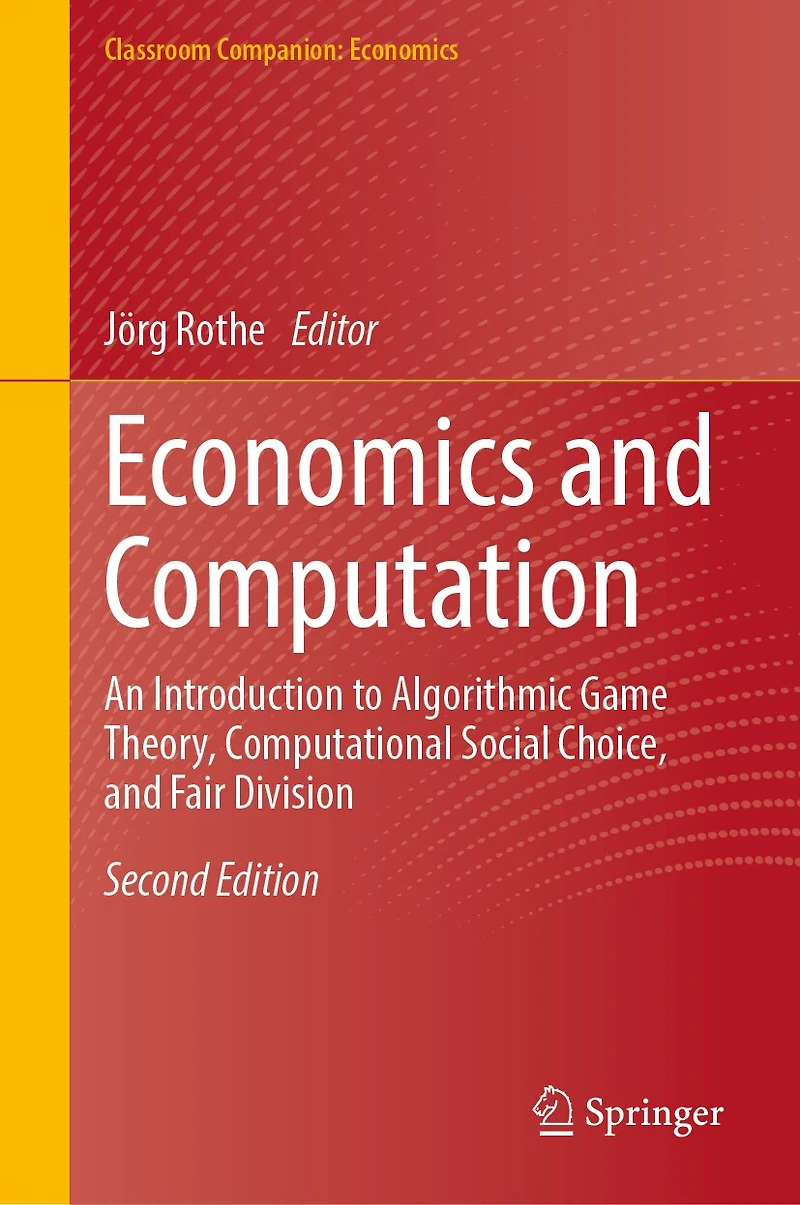
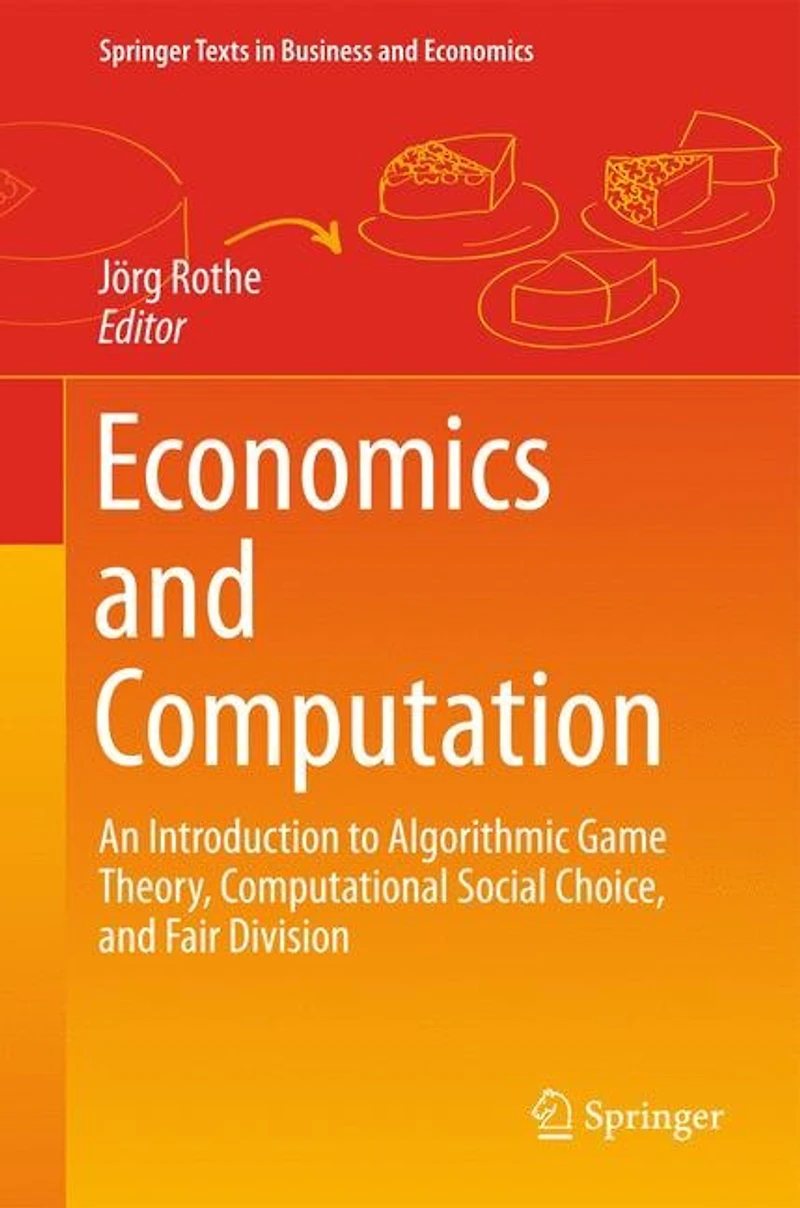
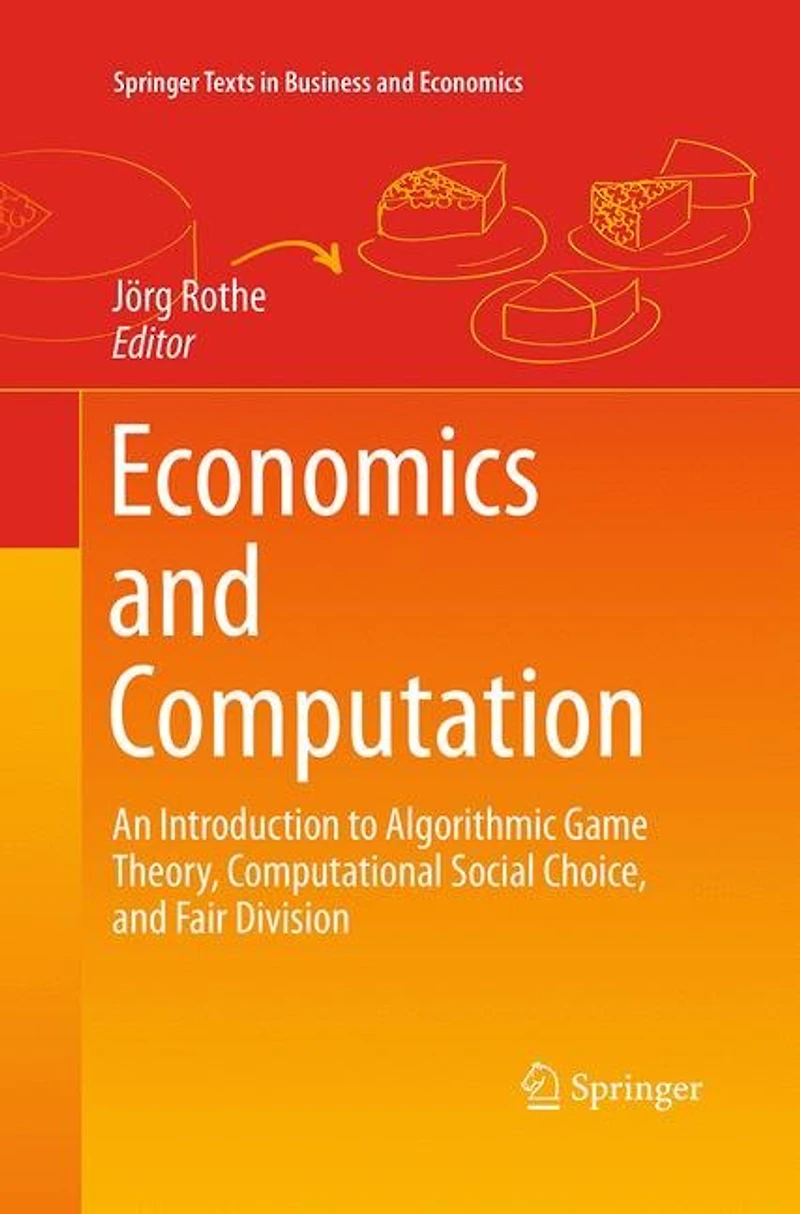
Economics and Computation: An Introduction to Algorithmic Game Theory, Computational Social Choice, Fair Division in Grande Prairie, AB
Current price: $204.50
Coles
Economics and Computation: An Introduction to Algorithmic Game Theory, Computational Social Choice, Fair Division in Grande Prairie, AB
Current price: $204.50
Loading Inventory...
Size: Hardcover (2024 A)
*Product information and pricing may vary - to confirm current pricing, availability, shipping, and return information please contact Coles. In the event of a pricing discrepancy, the retailer's price will apply.
This textbook connects three vibrant areas at the interface between economics and computer science: algorithmic game theory, computational social choice, and fair division. It thus offers an interdisciplinary treatment of collective decision making from an economic and computational perspective. Part I introduces to algorithmic game theory, focusing on both noncooperative and cooperative game theory. Part II introduces to computational social choice, focusing on both preference aggregation (voting) and judgment aggregation. Part III introduces to fair division, focusing on the division of both a single divisible resource ("cake-cutting") and multiple indivisible and unshareable resources ("multiagent resource allocation"). In all these parts, much weight is given to the algorithmic and complexity-theoretic aspects of problems arising in these areas, and the interconnections between the three parts are of central interest.
This textbook connects three vibrant areas at the interface between economics and computer science: algorithmic game theory, computational social choice, and fair division. It thus offers an interdisciplinary treatment of collective decision making from an economic and computational perspective. Part I introduces to algorithmic game theory, focusing on both noncooperative and cooperative game theory. Part II introduces to computational social choice, focusing on both preference aggregation (voting) and judgment aggregation. Part III introduces to fair division, focusing on the division of both a single divisible resource ("cake-cutting") and multiple indivisible and unshareable resources ("multiagent resource allocation"). In all these parts, much weight is given to the algorithmic and complexity-theoretic aspects of problems arising in these areas, and the interconnections between the three parts are of central interest.
You May Also Like









Find at Prairie Mall in Grande Prairie, AB
Visit at Prairie Mall in Grande Prairie, AB