


Gifting Made Simple
Give the Gift of ChoiceClick below to purchase a Prairie Mall eGift Card that can be used at participating retailers at Prairie Mall.Buy Gift CardHome
Economic Diversity in Contemporary Timor-Leste
Coles
Loading Inventory...
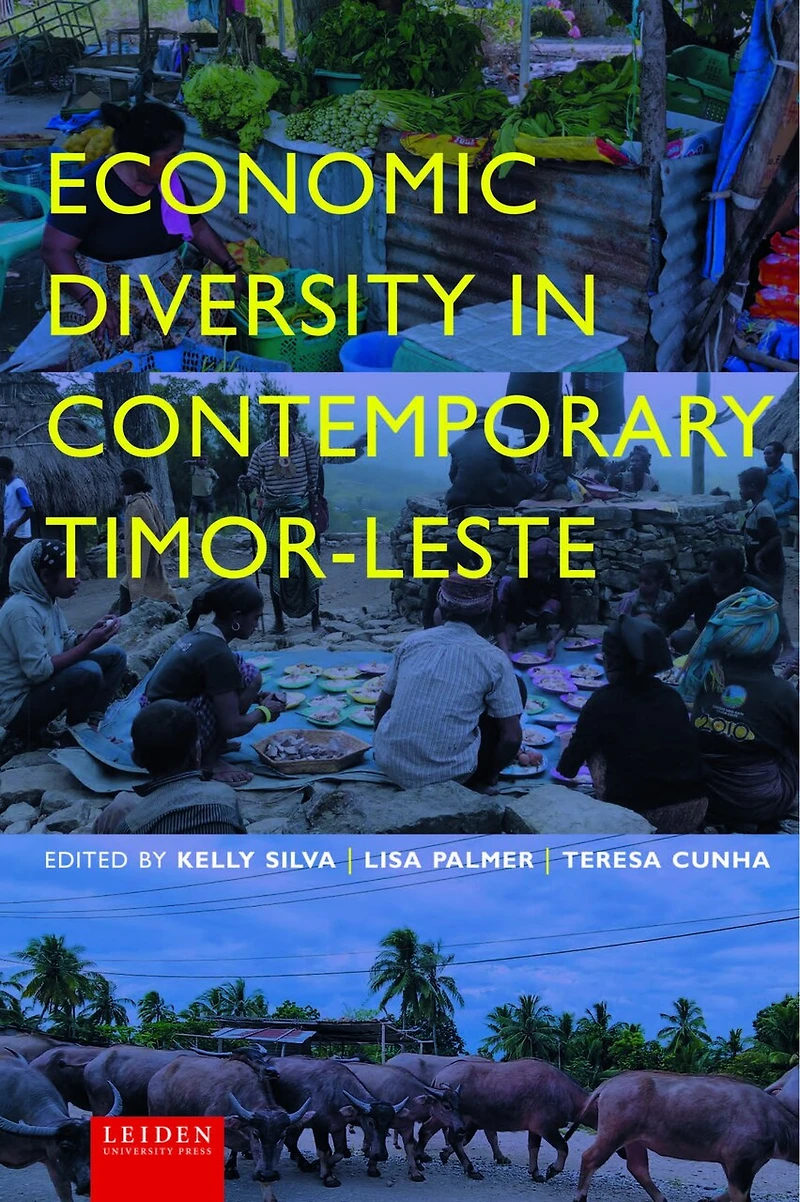
Economic Diversity in Contemporary Timor-Leste in Grande Prairie, AB
Current price: $198.95
Coles
Economic Diversity in Contemporary Timor-Leste in Grande Prairie, AB
Current price: $198.95
Loading Inventory...
Size: Hardcover
*Product information and pricing may vary - to confirm current pricing, availability, shipping, and return information please contact Coles. In the event of a pricing discrepancy, the retailer's price will apply.
Economic Diversity in Contemporary Timor-Leste analyses various economic dynamics in past and present Timor-Leste. Comprising 14 research chapters, the volume brings to the fore: 1) local, community-based economic values and arrangements; 2) community-based entanglements with a market-driven economy; 3) the colonial and postcolonial governance praxis through which a market-driven economy has permeated the country, and 4) the creative and place-based ways through which local people have responded to these transformations. The collection challenges hegemonic, market-driven analyses which characterise Timor-Leste’s economy as weak, deformed and homogenised and demonstrates the myriad of socially embedded ways through which Timor-Leste’s economy is diverse, richly complex and continually brought into being. To frame the analysis of these complex economic dynamics in Timor-Leste, the collection’s introduction develops the concept of economic ecologies: the assemblages of institutions and their localised and historical relationships mobilised for reproducing collective life, both in its material and immaterial aspects.
Economic Diversity in Contemporary Timor-Leste analyses various economic dynamics in past and present Timor-Leste. Comprising 14 research chapters, the volume brings to the fore: 1) local, community-based economic values and arrangements; 2) community-based entanglements with a market-driven economy; 3) the colonial and postcolonial governance praxis through which a market-driven economy has permeated the country, and 4) the creative and place-based ways through which local people have responded to these transformations. The collection challenges hegemonic, market-driven analyses which characterise Timor-Leste’s economy as weak, deformed and homogenised and demonstrates the myriad of socially embedded ways through which Timor-Leste’s economy is diverse, richly complex and continually brought into being. To frame the analysis of these complex economic dynamics in Timor-Leste, the collection’s introduction develops the concept of economic ecologies: the assemblages of institutions and their localised and historical relationships mobilised for reproducing collective life, both in its material and immaterial aspects.









Find at Prairie Mall in Grande Prairie, AB
Visit at Prairie Mall in Grande Prairie, AB