


Gifting Made Simple
Give the Gift of ChoiceClick below to purchase a Prairie Mall eGift Card that can be used at participating retailers at Prairie Mall.Buy Gift CardHome
East India Patronage and the British State: The Scottish Elite and Politics in the Eighteenth Century
Coles
Loading Inventory...
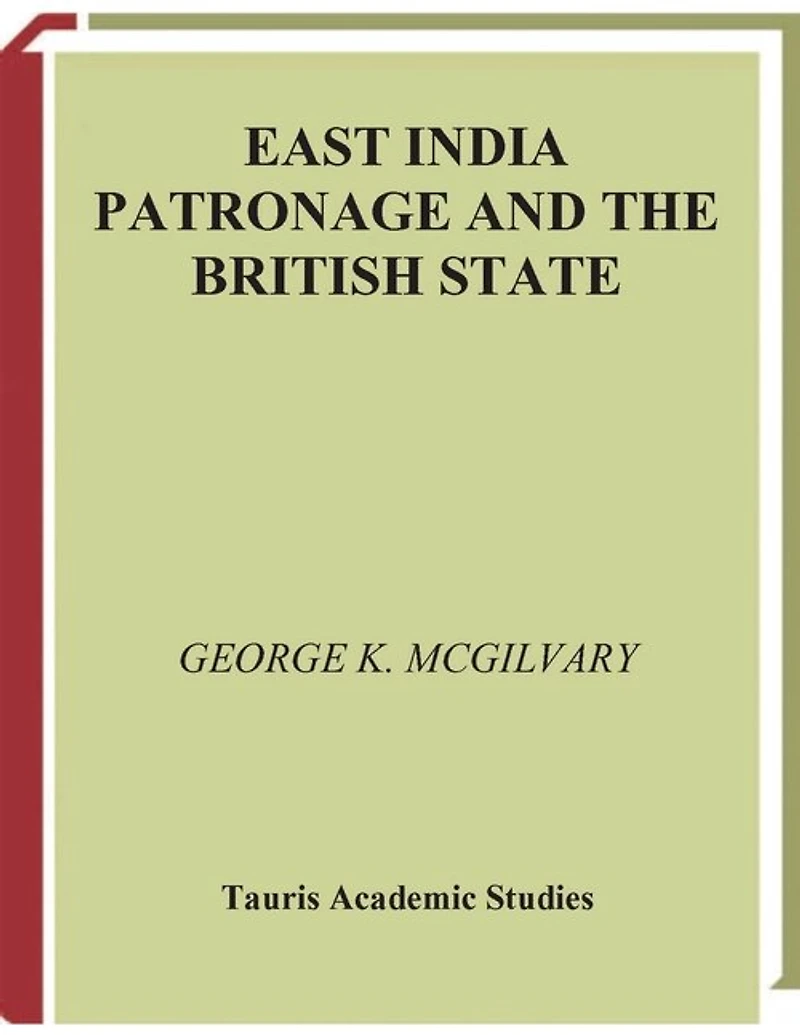
East India Patronage and the British State: The Scottish Elite and Politics in the Eighteenth Century in Grande Prairie, AB
Current price: $68.95
Coles
East India Patronage and the British State: The Scottish Elite and Politics in the Eighteenth Century in Grande Prairie, AB
Current price: $68.95
Loading Inventory...
Size: Paperback
*Product information and pricing may vary - to confirm current pricing, availability, shipping, and return information please contact Coles. In the event of a pricing discrepancy, the retailer's price will apply.
The Act of Union in 1707 brought with it a new 'Great Britain'. How did the English bind the Scottish elites to the new British State, ensuring the stability of this new power in the face of possible Jacobite and international threat? From 1725 a patronage system existed in Britain enabling government ministries to use posts in the East India Company and its shipping to secure political majorities in Scotland and Westminster. Scots went to India as Company servants, ships' crews, soldiers and free-merchants, bringing back exceptional wealth to a land starved of money and providing for commercial and industrial advances throughout Great Britain. The importance of the system of patronage which enabled so many Scots to go to the East has not hitherto been recognised and cannot be overestimated. It bound the Scots with their English neighbours in business, political management and empire, with consequences going far beyond the eighteenth century.
The Act of Union in 1707 brought with it a new 'Great Britain'. How did the English bind the Scottish elites to the new British State, ensuring the stability of this new power in the face of possible Jacobite and international threat? From 1725 a patronage system existed in Britain enabling government ministries to use posts in the East India Company and its shipping to secure political majorities in Scotland and Westminster. Scots went to India as Company servants, ships' crews, soldiers and free-merchants, bringing back exceptional wealth to a land starved of money and providing for commercial and industrial advances throughout Great Britain. The importance of the system of patronage which enabled so many Scots to go to the East has not hitherto been recognised and cannot be overestimated. It bound the Scots with their English neighbours in business, political management and empire, with consequences going far beyond the eighteenth century.
You May Also Like












Find at Prairie Mall in Grande Prairie, AB
Visit at Prairie Mall in Grande Prairie, AB