


Gifting Made Simple
Give the Gift of ChoiceClick below to purchase a Prairie Mall eGift Card that can be used at participating retailers at Prairie Mall.Buy Gift CardHome
Dysfunctional Diplomacy: The Politics of International Agreements an Era Partisan Polarization
Coles
Loading Inventory...
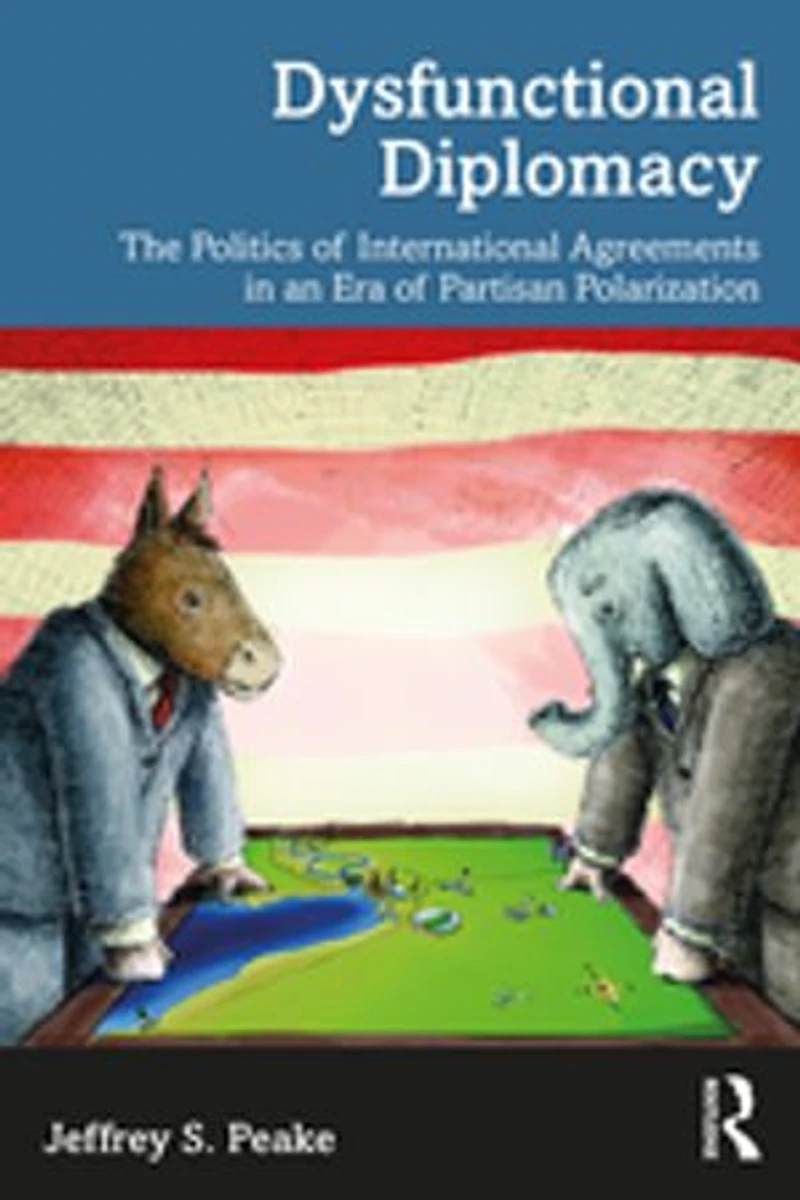
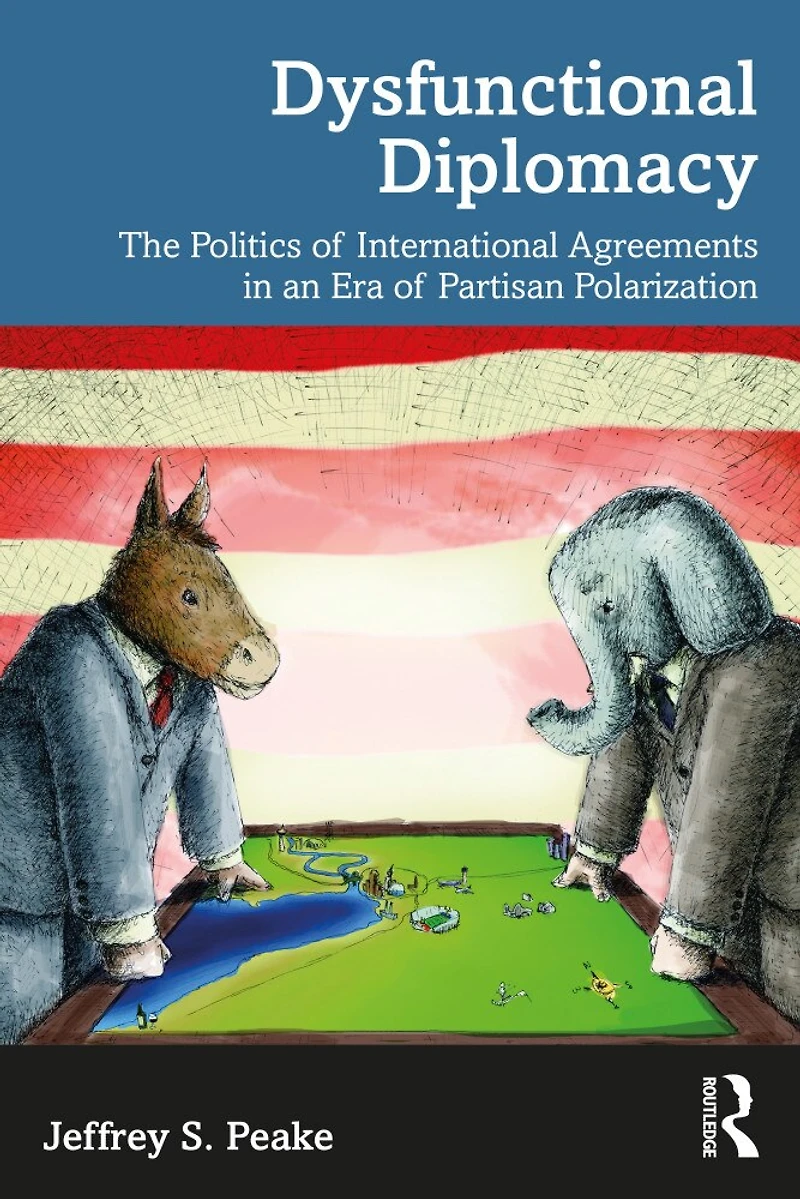
Dysfunctional Diplomacy: The Politics of International Agreements an Era Partisan Polarization in Grande Prairie, AB
Current price: $266.50
Coles
Dysfunctional Diplomacy: The Politics of International Agreements an Era Partisan Polarization in Grande Prairie, AB
Current price: $266.50
Loading Inventory...
Size: Hardcover
*Product information and pricing may vary - to confirm current pricing, availability, shipping, and return information please contact Coles. In the event of a pricing discrepancy, the retailer's price will apply.
US diplomacy is broken. As a result, the United States sits on the sidelines as the remainder of the world writes international law dealing with a host of vexing problems. The source of the dysfunction is domestic politics. Partisan polarization has rendered the domestic treaty process unworkable. Instead, presidents rely entirely on unilateral tools to complete their agreements, making them far weaker and less legitimate. Using a mixed-methods approach, Peake assesses the politics surrounding treaty ratification and the use of unilateral authority since World War Two, with a particular focus on the twenty-first century. He employs original data from 1949 through 2020, including 1,000 treaties and more than 3,000 executive agreements. The analysis provides case studies of the domestic politics of several recent international agreements, including on climate change, Iranian nuclear weapons, security in Iraq and Afghanistan, human rights, and the law of the sea.
US diplomacy is broken. As a result, the United States sits on the sidelines as the remainder of the world writes international law dealing with a host of vexing problems. The source of the dysfunction is domestic politics. Partisan polarization has rendered the domestic treaty process unworkable. Instead, presidents rely entirely on unilateral tools to complete their agreements, making them far weaker and less legitimate. Using a mixed-methods approach, Peake assesses the politics surrounding treaty ratification and the use of unilateral authority since World War Two, with a particular focus on the twenty-first century. He employs original data from 1949 through 2020, including 1,000 treaties and more than 3,000 executive agreements. The analysis provides case studies of the domestic politics of several recent international agreements, including on climate change, Iranian nuclear weapons, security in Iraq and Afghanistan, human rights, and the law of the sea.
You May Also Like













Find at Prairie Mall in Grande Prairie, AB
Visit at Prairie Mall in Grande Prairie, AB