


Gifting Made Simple
Give the Gift of ChoiceClick below to purchase a Prairie Mall eGift Card that can be used at participating retailers at Prairie Mall.Buy Gift CardHome
Duplex Regnum Christi: Christ’s Twofold Kingdom in Reformed Theology
Coles
Loading Inventory...
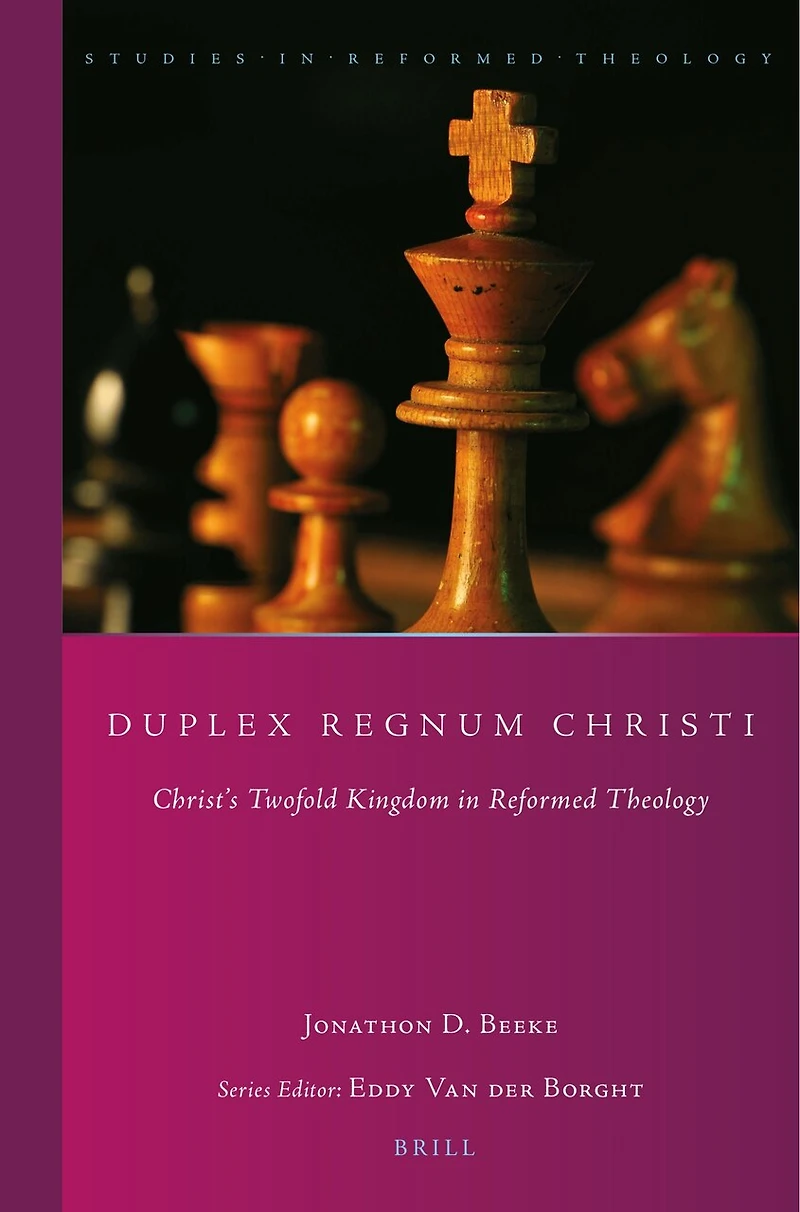
Duplex Regnum Christi: Christ’s Twofold Kingdom in Reformed Theology in Grande Prairie, AB
Current price: $96.99
Coles
Duplex Regnum Christi: Christ’s Twofold Kingdom in Reformed Theology in Grande Prairie, AB
Current price: $96.99
Loading Inventory...
Size: Paperback
*Product information and pricing may vary - to confirm current pricing, availability, shipping, and return information please contact Coles. In the event of a pricing discrepancy, the retailer's price will apply.
In this historical study, Jonathon D. Beeke considers the various sixteenth- and seventeenth-century Reformed expressions regarding the duplex regnum Christi (the twofold kingdom of Christ), or, as especially denominated in the Lutheran context, the “doctrine of the two kingdoms.” While a sampling of patristic and medieval sources is considered, the focus is on select magisterial Reformers of the sixteenth century and representative intellectual centers of the seventeenth century (Leiden, Geneva, and Edinburgh). A primary concern is to examine the development of these formulations over the two centuries in question, and relate its maturation to the theological and political context of the early modern period. Various conclusions are offered that address the contemporary “two-kingdoms” debate within the Reformed tradition.
In this historical study, Jonathon D. Beeke considers the various sixteenth- and seventeenth-century Reformed expressions regarding the duplex regnum Christi (the twofold kingdom of Christ), or, as especially denominated in the Lutheran context, the “doctrine of the two kingdoms.” While a sampling of patristic and medieval sources is considered, the focus is on select magisterial Reformers of the sixteenth century and representative intellectual centers of the seventeenth century (Leiden, Geneva, and Edinburgh). A primary concern is to examine the development of these formulations over the two centuries in question, and relate its maturation to the theological and political context of the early modern period. Various conclusions are offered that address the contemporary “two-kingdoms” debate within the Reformed tradition.
You May Also Like










Find at Prairie Mall in Grande Prairie, AB
Visit at Prairie Mall in Grande Prairie, AB