


Gifting Made Simple
Give the Gift of ChoiceClick below to purchase a Prairie Mall eGift Card that can be used at participating retailers at Prairie Mall.Buy Gift CardHome
Drugs, Oil, and War: The United States Afghanistan, Colombia, Indochina
Coles
Loading Inventory...
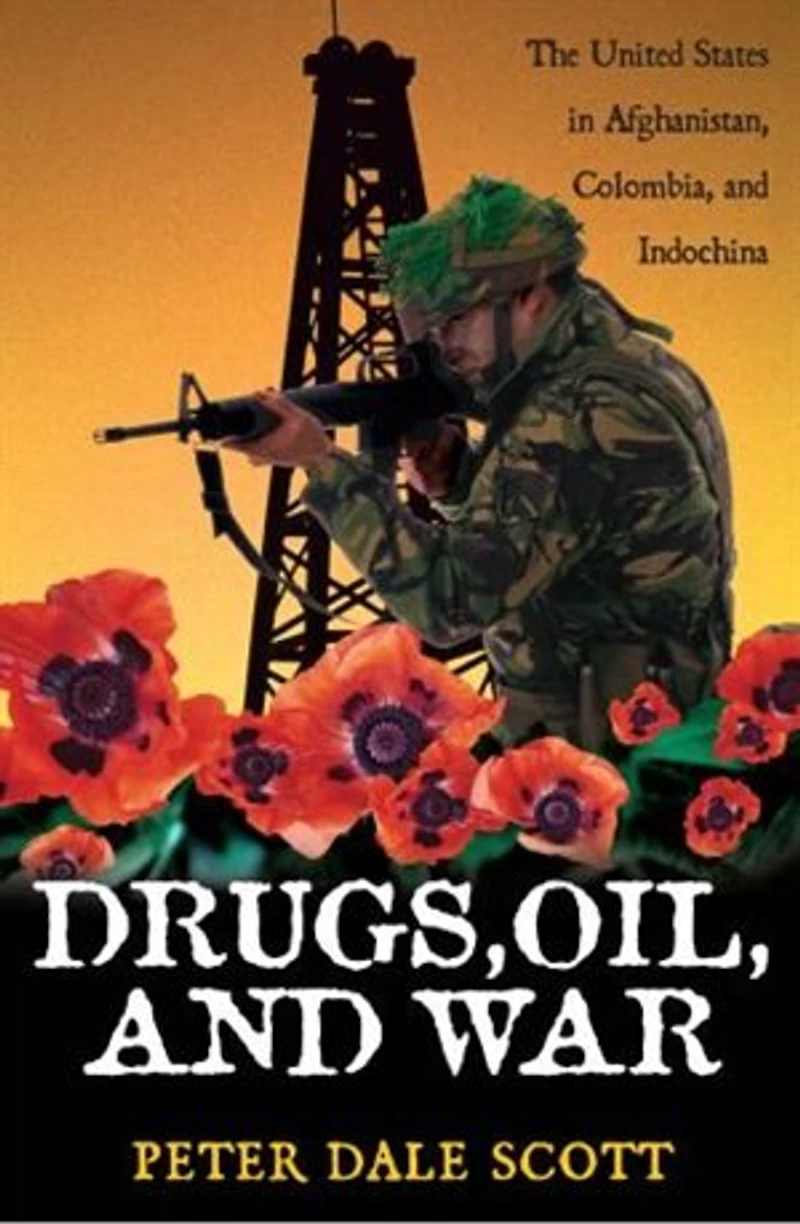
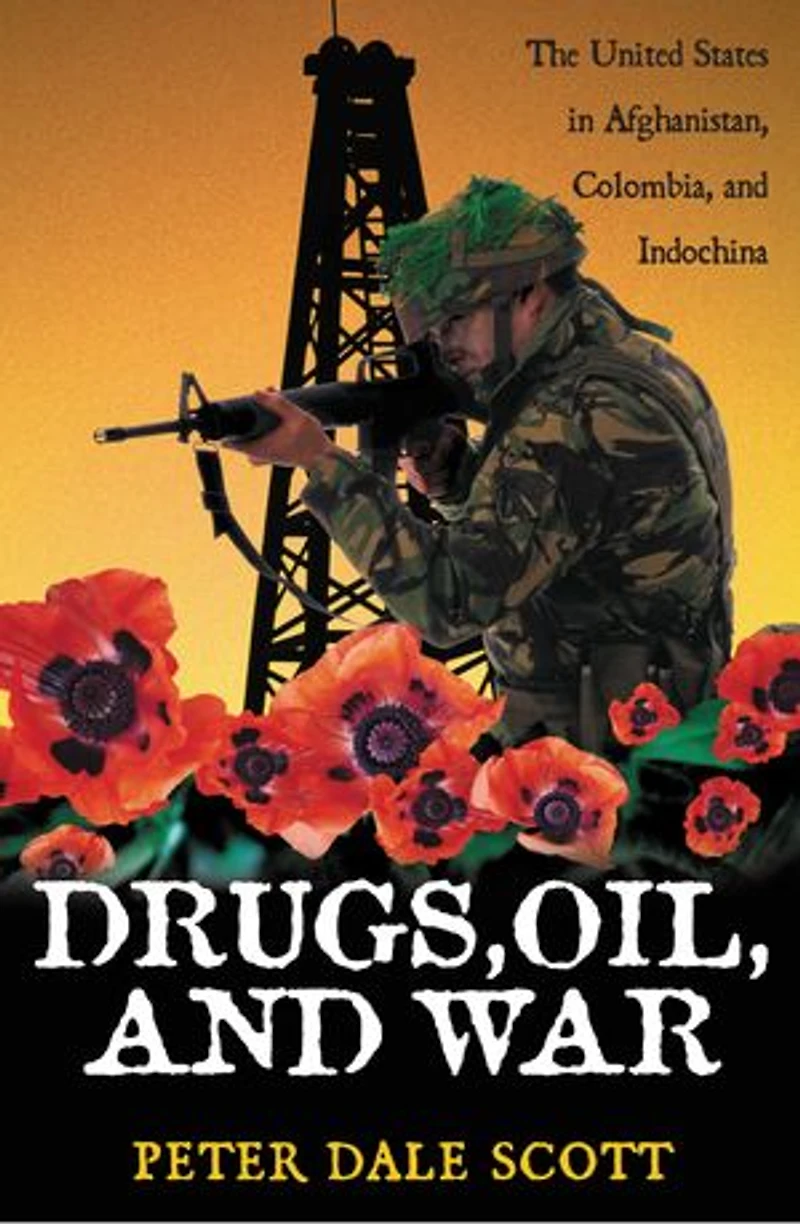
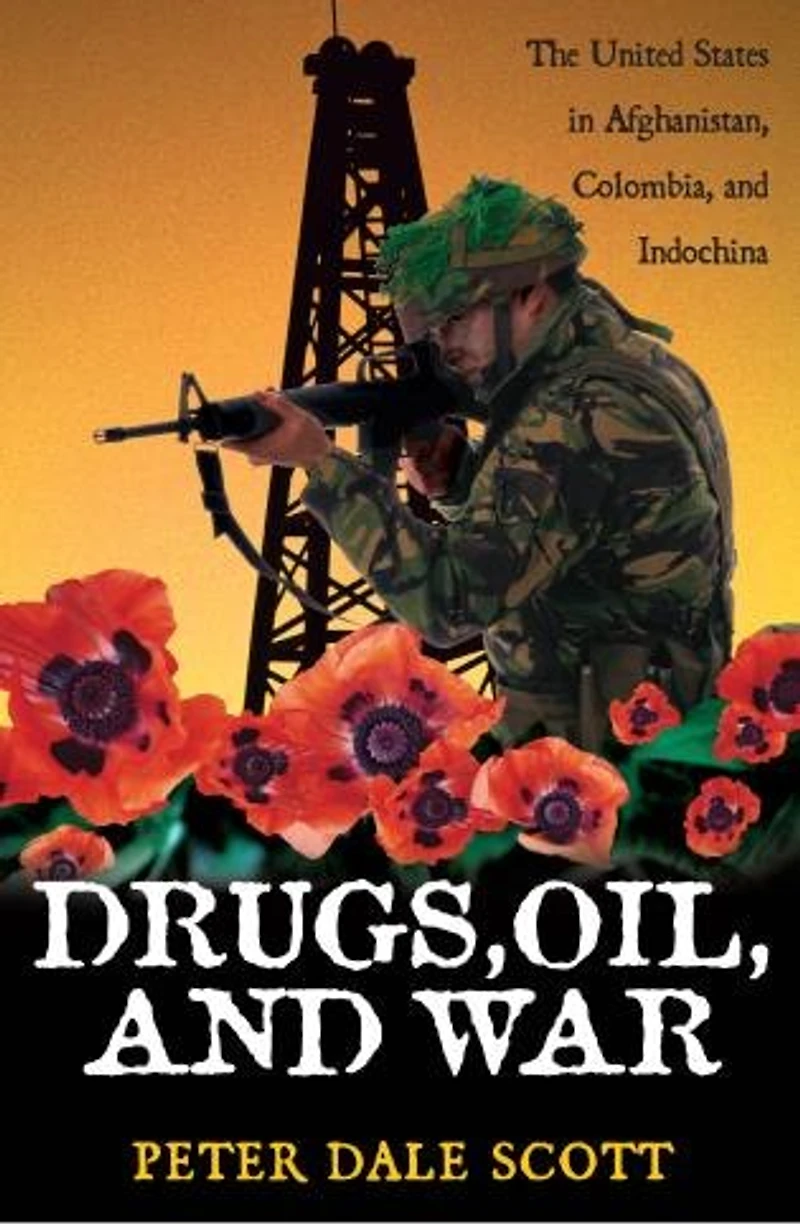
Drugs, Oil, and War: The United States Afghanistan, Colombia, Indochina in Grande Prairie, AB
Current price: $131.00
Coles
Drugs, Oil, and War: The United States Afghanistan, Colombia, Indochina in Grande Prairie, AB
Current price: $131.00
Loading Inventory...
Size: Hardcover
*Product information and pricing may vary - to confirm current pricing, availability, shipping, and return information please contact Coles. In the event of a pricing discrepancy, the retailer's price will apply.
Peter Dale Scott's brilliantly researched tour de force illuminates the underlying forces that drive U.S. global policy from Vietnam to Colombia and now to Afghanistan and Iraq. He brings to light the intertwined patterns of drugs, oil politics, and intelligence networks that have been so central to the larger workings of U.S. intervention and escalation in Third World countries through alliances with drug-trafficking proxies. This strategy was originally developed in the late 1940s to contain communist China; it has since been used to secure control over foreign petroleum resources. The result has been a staggering increase in the global drug traffic and the mafias associated with it_a problem that will worsen until there is a change in policy. Scott argues that covert operations almost always outlast the specific purpose for which they were designed. Instead, they grow and become part of a hostile constellation of forces. The author terms this phenomenon parapolitics_the exercise of power by covert means_which tends to metastasize into deep politics_the interplay of unacknowledged forces that spin out of the control of the original policy initiators. We must recognize that U.S. influence is grounded not just in military and economic superiority, Scott contends, but also in so-called soft power. We need a 'soft politics' of persuasion and nonviolence, especially as America is embroiled in yet another disastrous intervention, this time in Iraq.
Peter Dale Scott's brilliantly researched tour de force illuminates the underlying forces that drive U.S. global policy from Vietnam to Colombia and now to Afghanistan and Iraq. He brings to light the intertwined patterns of drugs, oil politics, and intelligence networks that have been so central to the larger workings of U.S. intervention and escalation in Third World countries through alliances with drug-trafficking proxies. This strategy was originally developed in the late 1940s to contain communist China; it has since been used to secure control over foreign petroleum resources. The result has been a staggering increase in the global drug traffic and the mafias associated with it_a problem that will worsen until there is a change in policy. Scott argues that covert operations almost always outlast the specific purpose for which they were designed. Instead, they grow and become part of a hostile constellation of forces. The author terms this phenomenon parapolitics_the exercise of power by covert means_which tends to metastasize into deep politics_the interplay of unacknowledged forces that spin out of the control of the original policy initiators. We must recognize that U.S. influence is grounded not just in military and economic superiority, Scott contends, but also in so-called soft power. We need a 'soft politics' of persuasion and nonviolence, especially as America is embroiled in yet another disastrous intervention, this time in Iraq.
You May Also Like








Find at Prairie Mall in Grande Prairie, AB
Visit at Prairie Mall in Grande Prairie, AB