


Gifting Made Simple
Give the Gift of ChoiceClick below to purchase a Prairie Mall eGift Card that can be used at participating retailers at Prairie Mall.Buy Gift CardHome
Drought, Water Law, and the Origins of California's Central Valley Project
Coles
Loading Inventory...
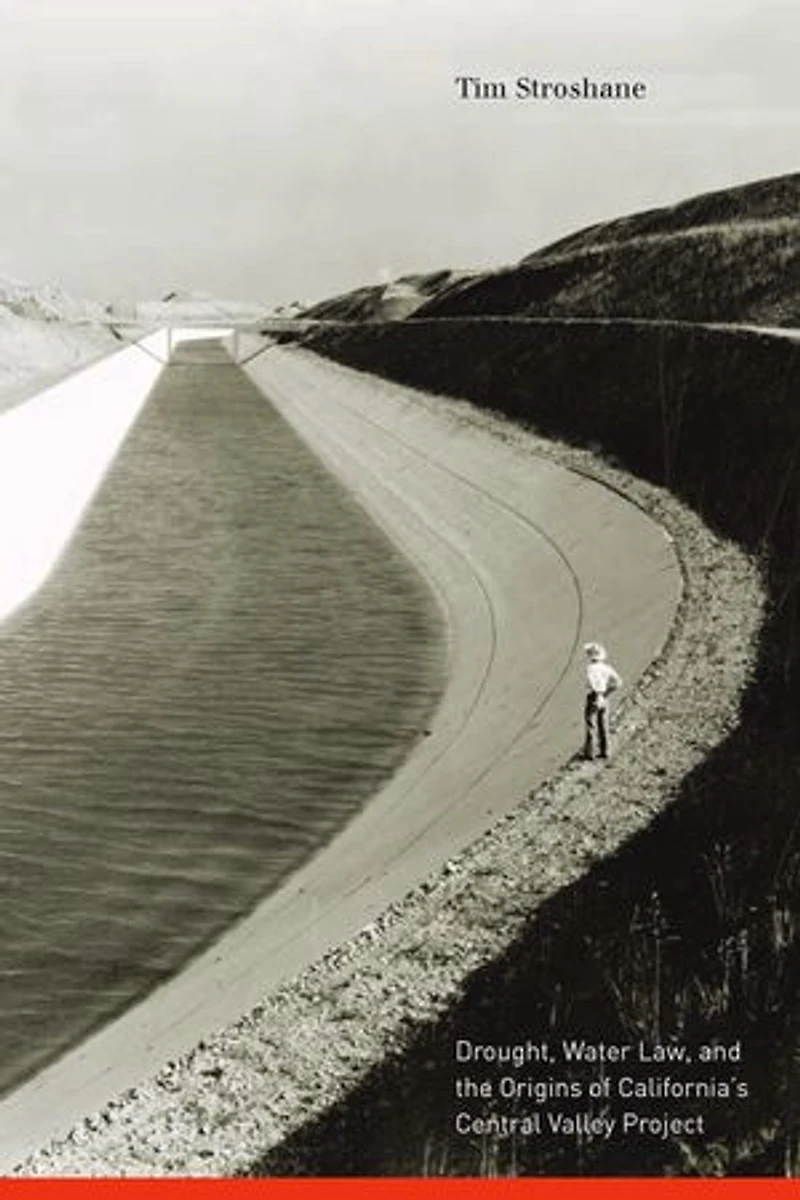
Drought, Water Law, and the Origins of California's Central Valley Project in Grande Prairie, AB
Current price: $36.79
Original price: $45.95
Coles
Drought, Water Law, and the Origins of California's Central Valley Project in Grande Prairie, AB
Current price: $36.79
Original price: $45.95
Loading Inventory...
Size: Kobo eBook
*Product information and pricing may vary - to confirm current pricing, availability, shipping, and return information please contact Coles. In the event of a pricing discrepancy, the retailer's price will apply.
This book is an account of how water rights were designed as a key part of the state’s largest public water system, the Central Valley Project. Along sixty miles of the San Joaquin River, from Gustine to Mendota, four corporate entities called “exchange contractors” retain paramount water rights to the river. Their rights descend from the days of the Miller & Lux Cattle Company, which amassed an empire of land and water from the 1850s through the 1920s and protected these assets through business deals and prolific litigation. Miller & Lux’s dominance of the river relied on what many in the San Joaquin Valley regarded as wasteful irrigation practices and unreasonable water usage. Economic and political power in California’s present water system was born of this monopoly on water control. Stroshane tells how drought and legal conflict shaped statewide economic development and how the grand bargain of a San Joaquin River water exchange was struck from this monopoly legacy, setting the stage for future water wars. His analysis will appeal to readers interested in environmental studies and public policy.
This book is an account of how water rights were designed as a key part of the state’s largest public water system, the Central Valley Project. Along sixty miles of the San Joaquin River, from Gustine to Mendota, four corporate entities called “exchange contractors” retain paramount water rights to the river. Their rights descend from the days of the Miller & Lux Cattle Company, which amassed an empire of land and water from the 1850s through the 1920s and protected these assets through business deals and prolific litigation. Miller & Lux’s dominance of the river relied on what many in the San Joaquin Valley regarded as wasteful irrigation practices and unreasonable water usage. Economic and political power in California’s present water system was born of this monopoly on water control. Stroshane tells how drought and legal conflict shaped statewide economic development and how the grand bargain of a San Joaquin River water exchange was struck from this monopoly legacy, setting the stage for future water wars. His analysis will appeal to readers interested in environmental studies and public policy.
You May Also Like








Find at Prairie Mall in Grande Prairie, AB
Visit at Prairie Mall in Grande Prairie, AB