


Gifting Made Simple
Give the Gift of ChoiceClick below to purchase a Prairie Mall eGift Card that can be used at participating retailers at Prairie Mall.Buy Gift CardHome
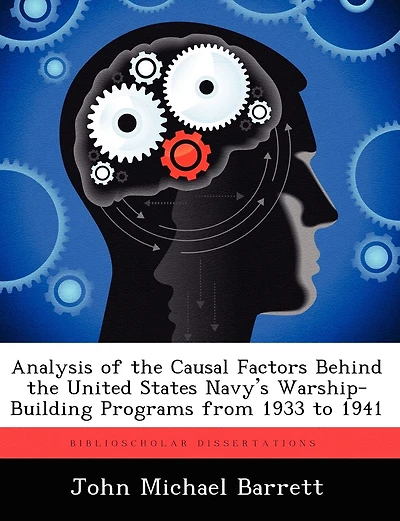
Doubling The Fleet: An Analysis Of The Causal Factors Behind The U.s. Navy's Warship Building Program From 1933-1941
Coles
Loading Inventory...
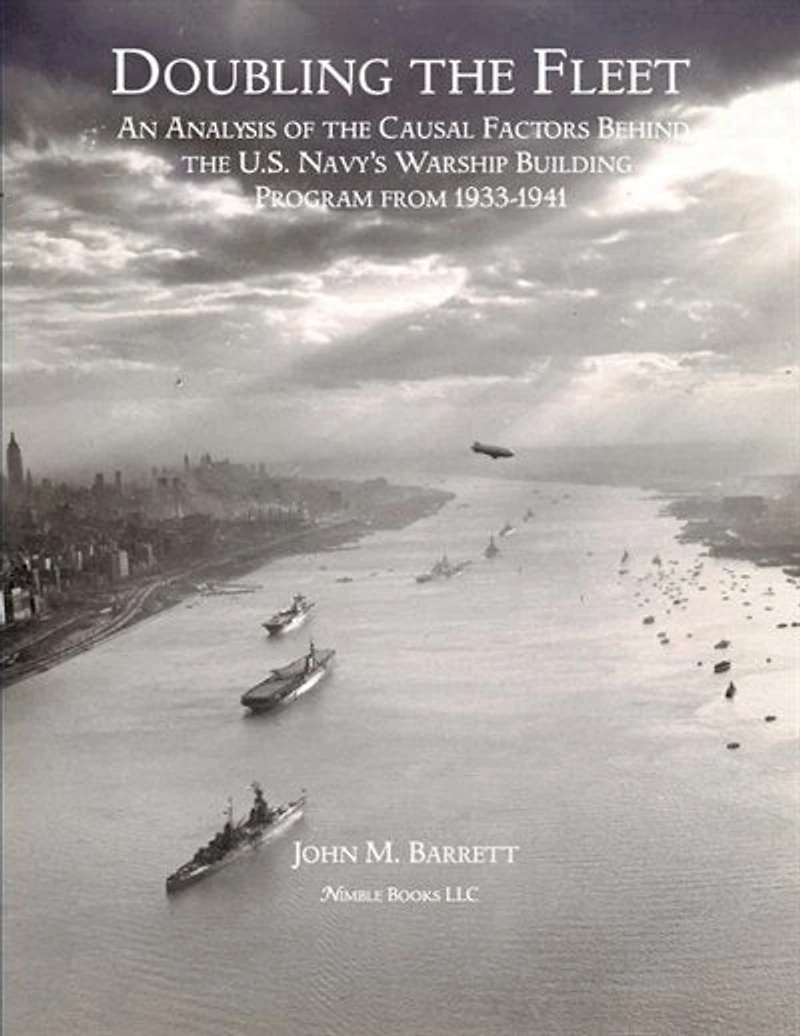
Doubling The Fleet: An Analysis Of The Causal Factors Behind The U.s. Navy's Warship Building Program From 1933-1941 in Grande Prairie, AB
Current price: $32.99
Coles
Doubling The Fleet: An Analysis Of The Causal Factors Behind The U.s. Navy's Warship Building Program From 1933-1941 in Grande Prairie, AB
Current price: $32.99
Loading Inventory...
Size: Paperback
*Product information and pricing may vary - to confirm current pricing, availability, shipping, and return information please contact Coles. In the event of a pricing discrepancy, the retailer's price will apply.
On 7 December 1941, the US Navy had 343 warships in commission; however, a "second" fleet, consisting of 344 warships, was in various stages of construction in shipyards across the country. Given that building a warship could take anywhere from less than a year for a destroyer, to over three years for a battleship or aircraft carrier, it is clear that the foresighted building of warships in the years prior to US involvement in World War II would play a major role in enabling the US Navy to counter and eventually defeat the Imperial Japanese Navy in the Pacific. In order to trace the evolving influences behind this warship building program, this thesis divides the pre-war period into three separate phases: Phase 1 is bounded by Roosevelt's inauguration and the USS Panay incident, phase two runs from the USS Panay incident until the fall of France, and phase three covers from the fall of France until the attack on Pearl Harbor. In total, the building programs of all three prewar phases amount to 586 warships.
On 7 December 1941, the US Navy had 343 warships in commission; however, a "second" fleet, consisting of 344 warships, was in various stages of construction in shipyards across the country. Given that building a warship could take anywhere from less than a year for a destroyer, to over three years for a battleship or aircraft carrier, it is clear that the foresighted building of warships in the years prior to US involvement in World War II would play a major role in enabling the US Navy to counter and eventually defeat the Imperial Japanese Navy in the Pacific. In order to trace the evolving influences behind this warship building program, this thesis divides the pre-war period into three separate phases: Phase 1 is bounded by Roosevelt's inauguration and the USS Panay incident, phase two runs from the USS Panay incident until the fall of France, and phase three covers from the fall of France until the attack on Pearl Harbor. In total, the building programs of all three prewar phases amount to 586 warships.
You May Also Like













Find at Prairie Mall in Grande Prairie, AB
Visit at Prairie Mall in Grande Prairie, AB