


Gifting Made Simple
Give the Gift of ChoiceClick below to purchase a Prairie Mall eGift Card that can be used at participating retailers at Prairie Mall.Buy Gift CardHome
Dorsal Rhizotomy: Neurosurgery for Childhood Spasticity: Vol. 51
Coles
Loading Inventory...
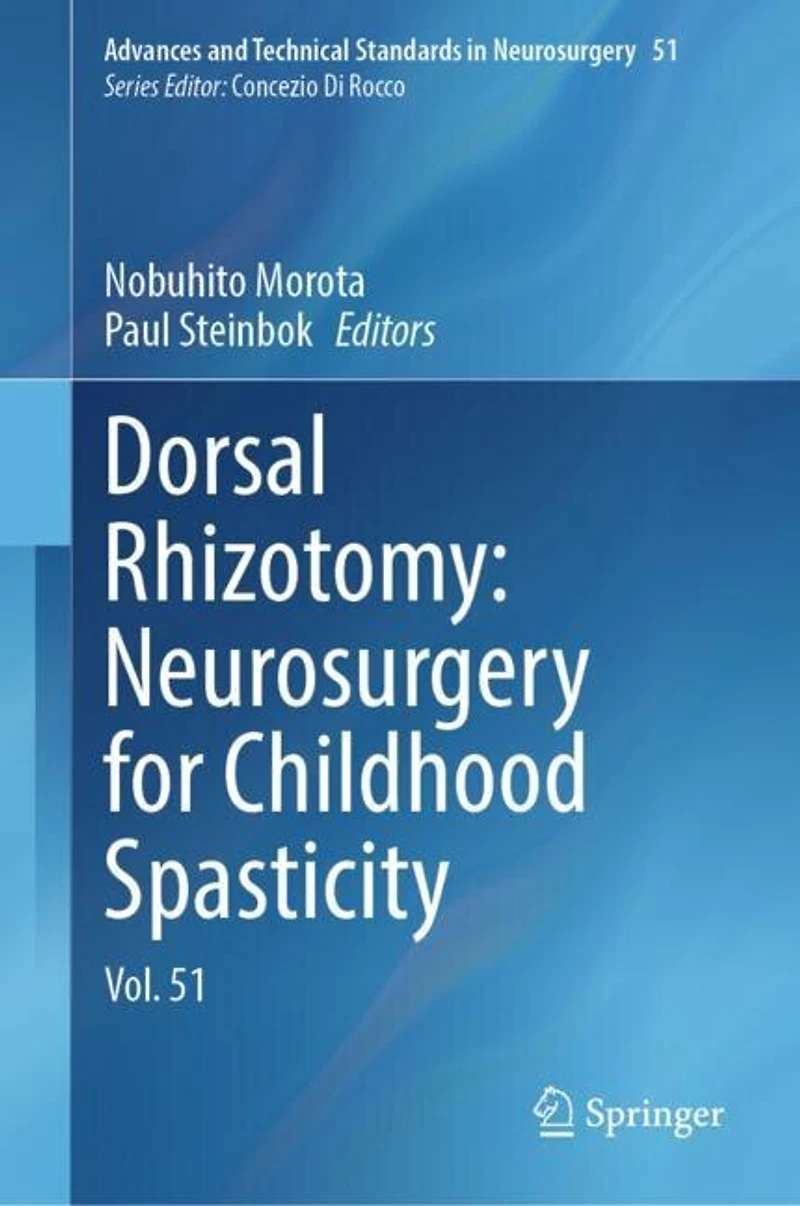
Dorsal Rhizotomy: Neurosurgery for Childhood Spasticity: Vol. 51 in Grande Prairie, AB
Current price: $233.95
Coles
Dorsal Rhizotomy: Neurosurgery for Childhood Spasticity: Vol. 51 in Grande Prairie, AB
Current price: $233.95
Loading Inventory...
Size: Hardcover
*Product information and pricing may vary - to confirm current pricing, availability, shipping, and return information please contact Coles. In the event of a pricing discrepancy, the retailer's price will apply.
The scope of this book is to disseminate dorsal rhizotomy for treating children with disabling, intractable spasticity caused by various pathologies. The volume is composed of five sections. The first section describes history and neuroanatomical background of dorsal rhizotomy and spasticity, while the second one is about the selection and pre-operative evaluation of surgical candidates. The third section is the key for readers who are going to learn this surgical procedure, and describes the various types of surgical procedures and the intraoperative neurophysiology used in the surgery. The fourth section is focused on postoperative rehabilitation, functional evaluation and long-term outcome after dorsal rhizotomy. The last section describes the future perspective of this technique and explains how to start up a rhizotomy team. Since the concern about dorsal rhizotomy has been re-emerging recently, this publication is highly expected and will be useful for both beginners in rhizotomy and experienced neurosurgeons.
The scope of this book is to disseminate dorsal rhizotomy for treating children with disabling, intractable spasticity caused by various pathologies. The volume is composed of five sections. The first section describes history and neuroanatomical background of dorsal rhizotomy and spasticity, while the second one is about the selection and pre-operative evaluation of surgical candidates. The third section is the key for readers who are going to learn this surgical procedure, and describes the various types of surgical procedures and the intraoperative neurophysiology used in the surgery. The fourth section is focused on postoperative rehabilitation, functional evaluation and long-term outcome after dorsal rhizotomy. The last section describes the future perspective of this technique and explains how to start up a rhizotomy team. Since the concern about dorsal rhizotomy has been re-emerging recently, this publication is highly expected and will be useful for both beginners in rhizotomy and experienced neurosurgeons.
You May Also Like









Find at Prairie Mall in Grande Prairie, AB
Visit at Prairie Mall in Grande Prairie, AB