


Gifting Made Simple
Give the Gift of ChoiceClick below to purchase a Prairie Mall eGift Card that can be used at participating retailers at Prairie Mall.Buy Gift CardHome
Domination and Mobilization: The Rise Fall of Political Parties China's Republican Era
Coles
Loading Inventory...
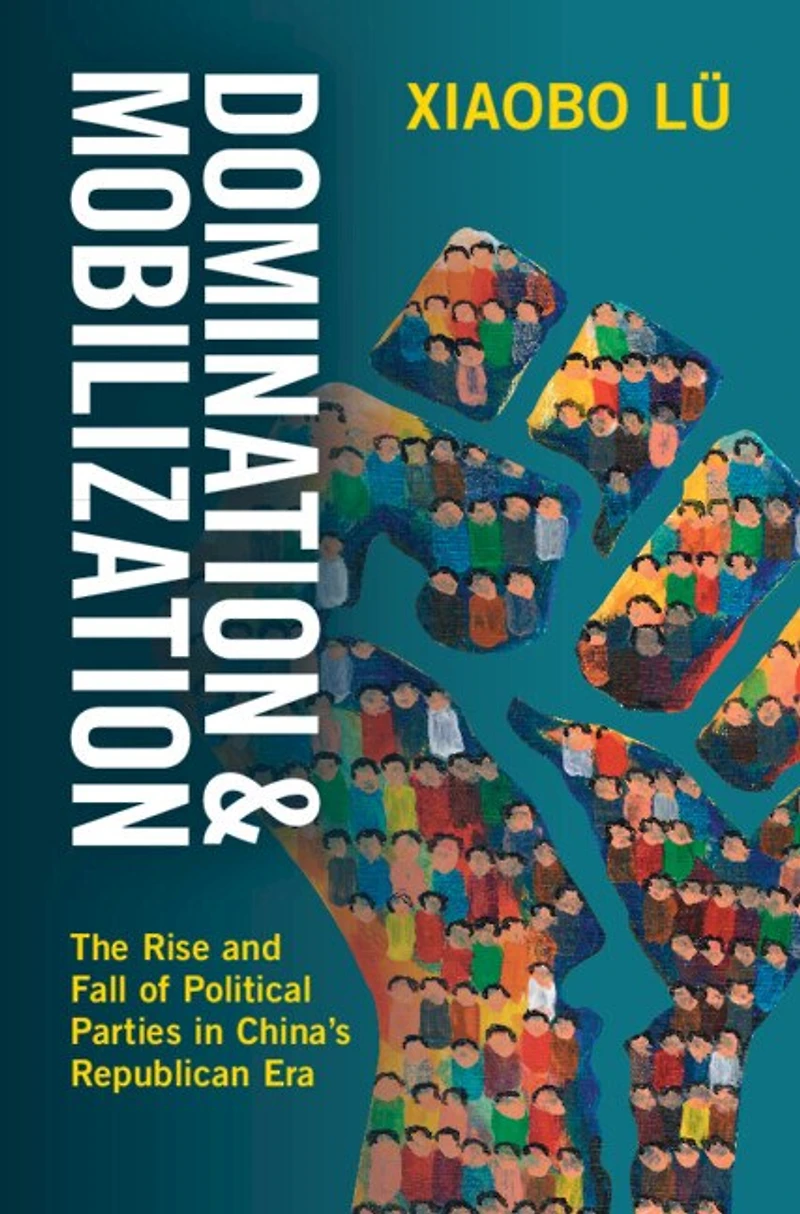
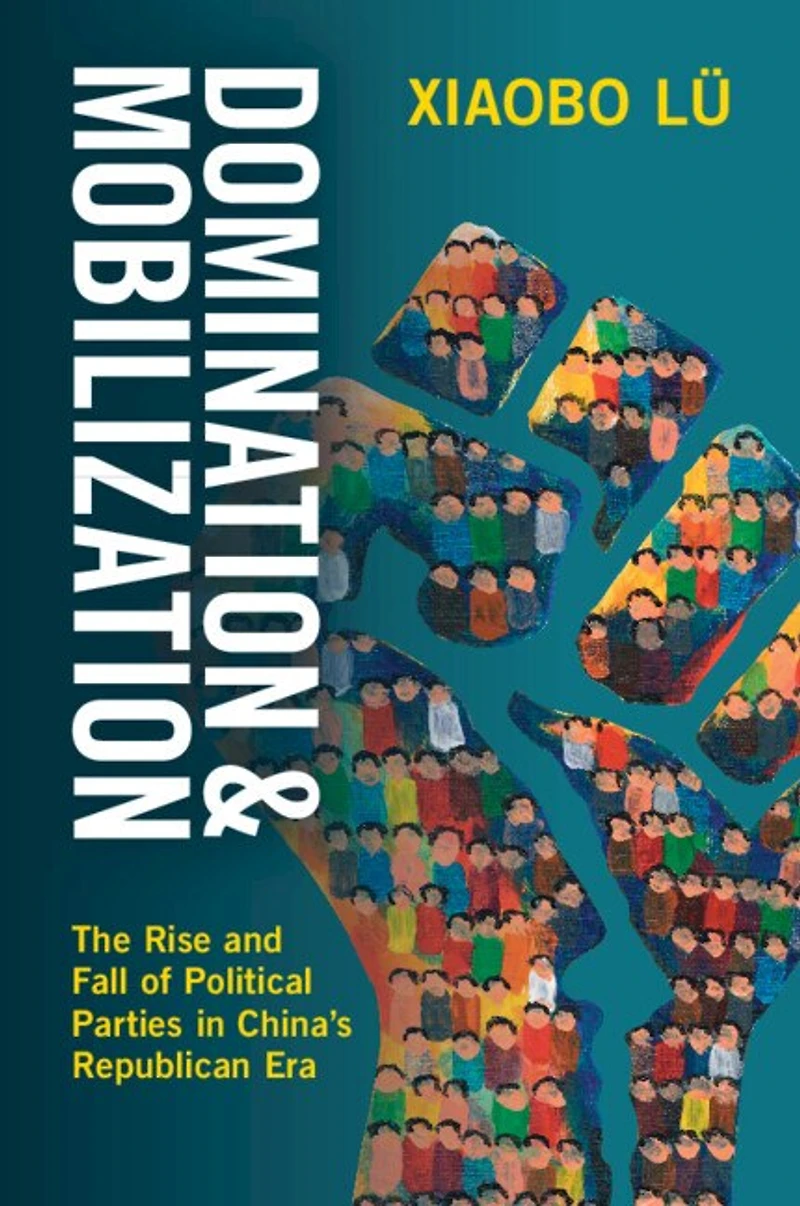
Domination and Mobilization: The Rise Fall of Political Parties China's Republican Era
By None
Current price: $126.95
Coles
Domination and Mobilization: The Rise Fall of Political Parties China's Republican Era
By None
Current price: $126.95
Loading Inventory...
Size: Hardcover
*Product information and pricing may vary - to confirm current pricing, availability, shipping, and return information please contact Coles. In the event of a pricing discrepancy, the retailer's price will apply.
Examining the miraculous rise of the Chinese Communist Party (CCP) and the surprising downfall of the Kuomintang (KMT) in the early twentieth century, Xiaobo Lü reveals that domination and mobilization are key for authoritarian parties to seize state power, challenging the prevailing wisdom on power-sharing and emphasizing the importance of dominant party leaders for organizational strength and resource mobilization. Lü convincingly argues that the CCP's mass mobilization infrastructure, initially seen as a disadvantage before the Sino-Japanese War, became a powerful asset during the war and led to its victory. The KMT's elite mobilization infrastructure, conversely, was decimated by the war, and its lack of a strong leader prevented a successful shift in party-building strategy. Party building subsequently played a pivotal role in shaping the successes and failures of resource mobilization for both parties. The book sheds new light on the origins of the CCP and the inner workings of revolutionary parties, making in a landmark study in Chinese politics.
Examining the miraculous rise of the Chinese Communist Party (CCP) and the surprising downfall of the Kuomintang (KMT) in the early twentieth century, Xiaobo Lü reveals that domination and mobilization are key for authoritarian parties to seize state power, challenging the prevailing wisdom on power-sharing and emphasizing the importance of dominant party leaders for organizational strength and resource mobilization. Lü convincingly argues that the CCP's mass mobilization infrastructure, initially seen as a disadvantage before the Sino-Japanese War, became a powerful asset during the war and led to its victory. The KMT's elite mobilization infrastructure, conversely, was decimated by the war, and its lack of a strong leader prevented a successful shift in party-building strategy. Party building subsequently played a pivotal role in shaping the successes and failures of resource mobilization for both parties. The book sheds new light on the origins of the CCP and the inner workings of revolutionary parties, making in a landmark study in Chinese politics.
You May Also Like













More About Coles at Prairie Mall
11801 100 St #104, Grande Prairie, AB T8V 3Y2, Canada
Find Coles at Prairie Mall in Grande Prairie, AB
Visit Coles at Prairie Mall in Grande Prairie, AB