


Gifting Made Simple
Give the Gift of ChoiceClick below to purchase a Prairie Mall eGift Card that can be used at participating retailers at Prairie Mall.Buy Gift CardHome
Domestic Politics and International Human Rights Tribunals: The Problem of Compliance
Coles
Loading Inventory...
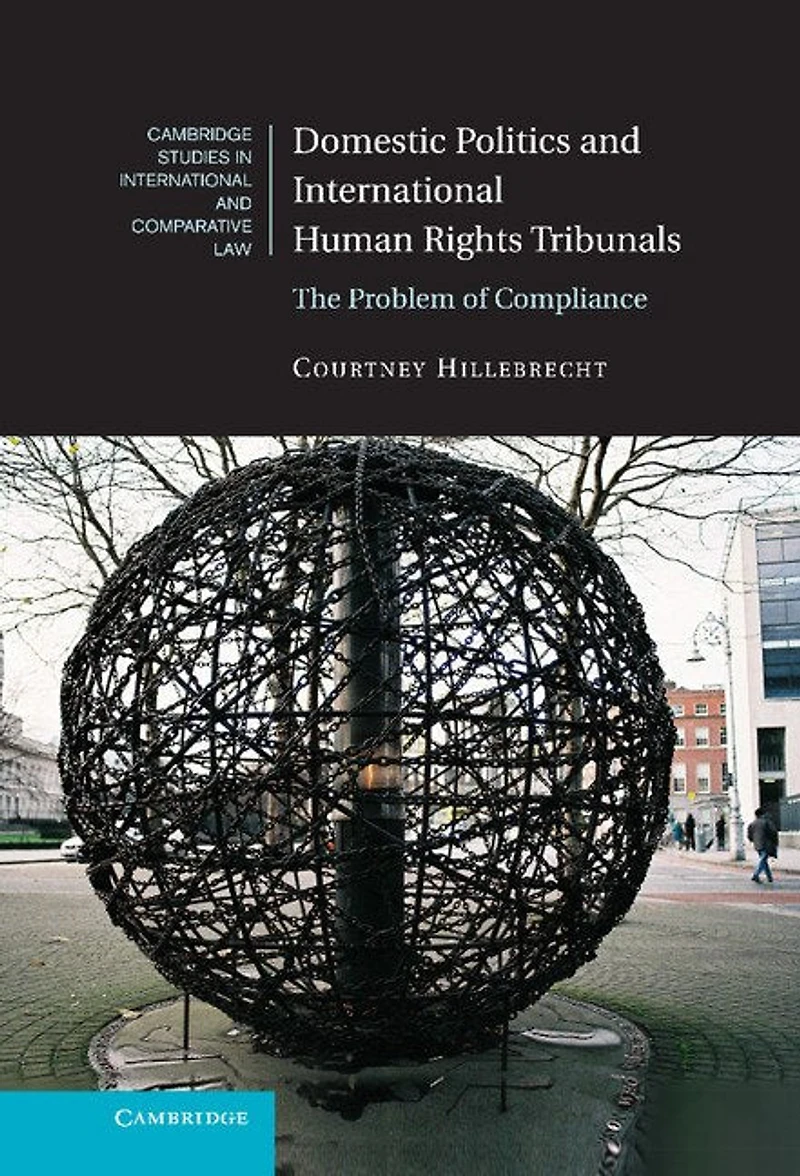
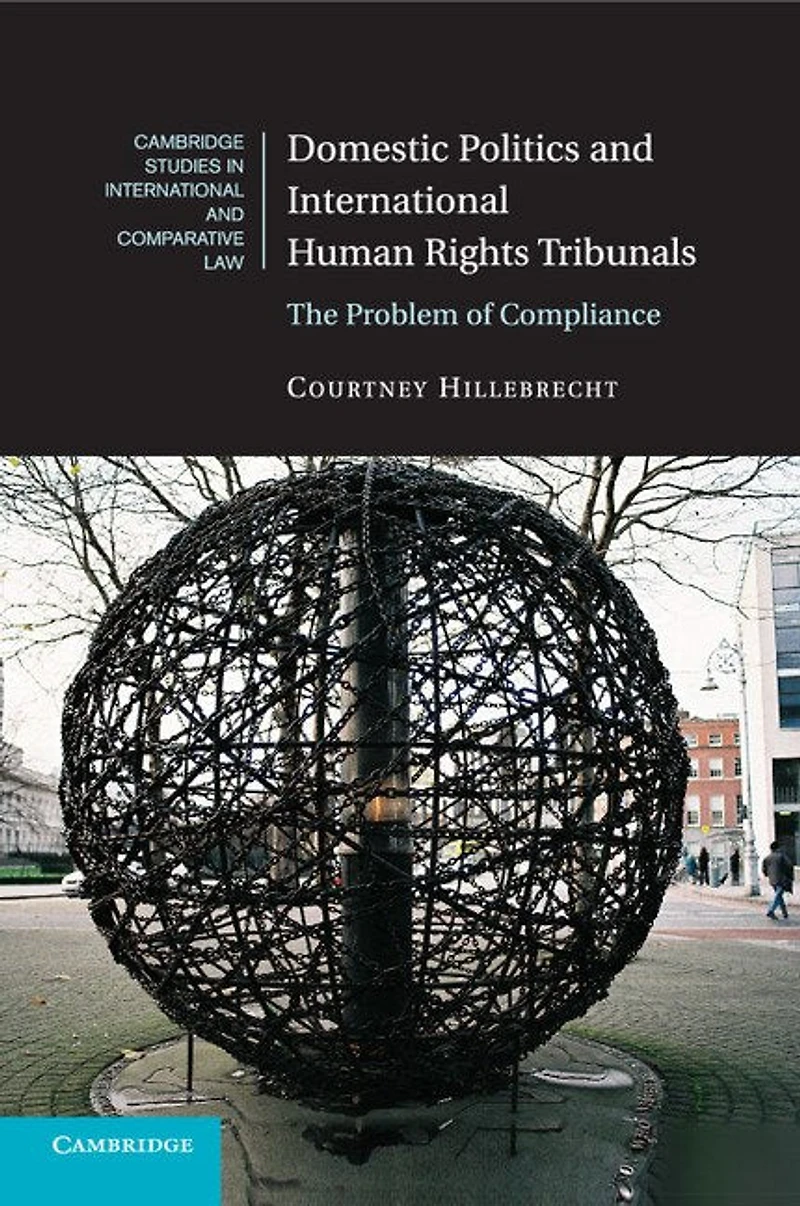
Domestic Politics and International Human Rights Tribunals: The Problem of Compliance in Grande Prairie, AB
Current price: $111.95
Coles
Domestic Politics and International Human Rights Tribunals: The Problem of Compliance in Grande Prairie, AB
Current price: $111.95
Loading Inventory...
Size: Hardcover
*Product information and pricing may vary - to confirm current pricing, availability, shipping, and return information please contact Coles. In the event of a pricing discrepancy, the retailer's price will apply.
International politics has become increasingly legalized over the past fifty years, restructuring the way that states interact with each other, with international institutions, and even with their own constituents. The area subjected to the most intense restructuring has perhaps been human rights. The rise of the international legalization of human rights now makes it possible for individual constituents to take human rights claims against their governments at international courts such as the European and Inter-American Courts of Human Rights. This book brings together theories of compliance from international law, human rights, and international relations to explain the increasingly important phenomenon of states' compliance with human rights tribunals' rulings. The central argument of the book is that compliance with international human rights tribunals' rulings is an inherently domestic affair. It posits three overarching questions: First, why do states comply with human rights tribunals' rulings? Second, how does the compliance process unfold and what are the domestic political considerations around compliance? Third, what effect does compliance have on the protection of human rights? This book answers these questions through a combination of quantitative analyses and in-depth case studies from Argentina, Brazil, Colombia, Italy, Portugal, Russia, and the United Kingdom.
International politics has become increasingly legalized over the past fifty years, restructuring the way that states interact with each other, with international institutions, and even with their own constituents. The area subjected to the most intense restructuring has perhaps been human rights. The rise of the international legalization of human rights now makes it possible for individual constituents to take human rights claims against their governments at international courts such as the European and Inter-American Courts of Human Rights. This book brings together theories of compliance from international law, human rights, and international relations to explain the increasingly important phenomenon of states' compliance with human rights tribunals' rulings. The central argument of the book is that compliance with international human rights tribunals' rulings is an inherently domestic affair. It posits three overarching questions: First, why do states comply with human rights tribunals' rulings? Second, how does the compliance process unfold and what are the domestic political considerations around compliance? Third, what effect does compliance have on the protection of human rights? This book answers these questions through a combination of quantitative analyses and in-depth case studies from Argentina, Brazil, Colombia, Italy, Portugal, Russia, and the United Kingdom.
You May Also Like












Find at Prairie Mall in Grande Prairie, AB
Visit at Prairie Mall in Grande Prairie, AB