


Gifting Made Simple
Give the Gift of ChoiceClick below to purchase a Prairie Mall eGift Card that can be used at participating retailers at Prairie Mall.Buy Gift CardHome
Doing Business in Newly Privatized Markets: Global Opportunities and Challenges
Coles
Loading Inventory...
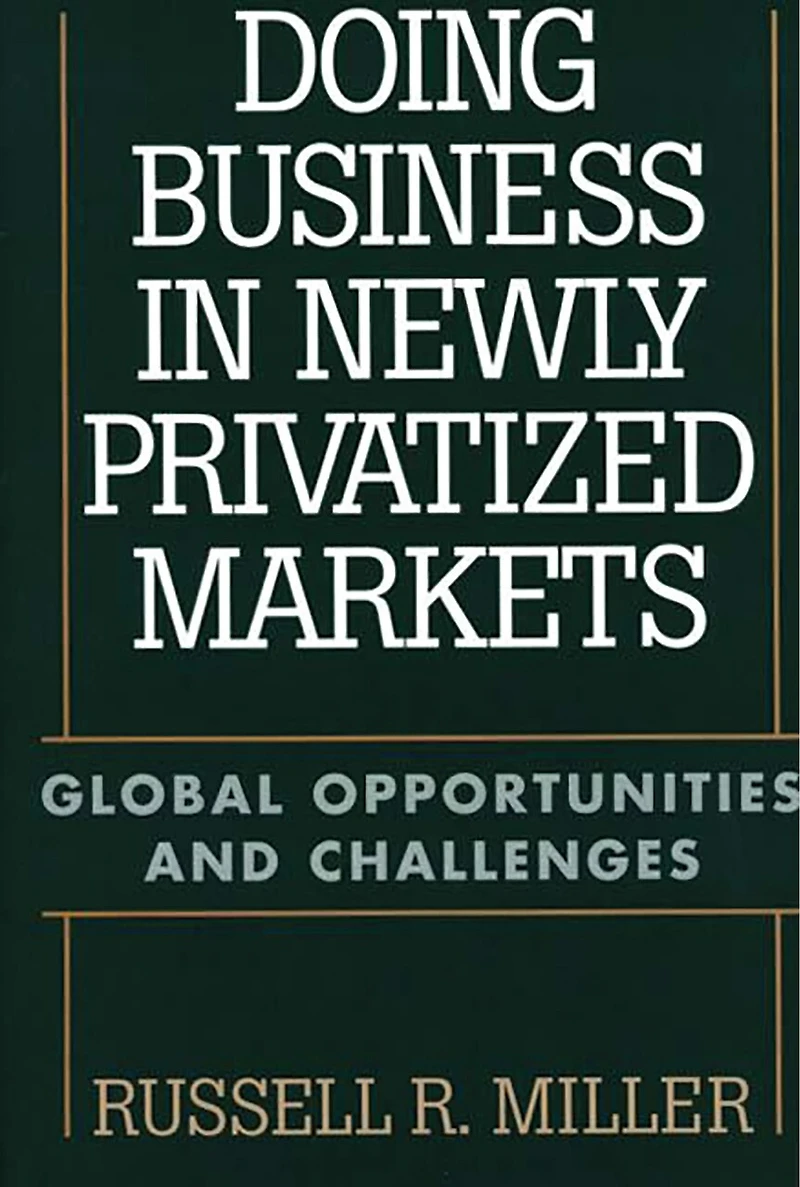
Doing Business in Newly Privatized Markets: Global Opportunities and Challenges in Grande Prairie, AB
Current price: $146.50
Coles
Doing Business in Newly Privatized Markets: Global Opportunities and Challenges in Grande Prairie, AB
Current price: $146.50
Loading Inventory...
Size: Hardcover
*Product information and pricing may vary - to confirm current pricing, availability, shipping, and return information please contact Coles. In the event of a pricing discrepancy, the retailer's price will apply.
During the past decade, thousands of former state-controlled companies in more than 100 different countries have entered the private sector. These firms range in size and commercial significance from small family-owned kiosks in Russia to some of the largest, most influential corporations in Western and Central Europe, Latin America, and Asia. Miller provides a comprehensive, business-oriented perspective on the origin and geographic expansion of the privatization movement, and describes the methods that governments use and the objectives they hope to achieve in the divestment of state assets. He identifies the formative influences on these new companies, as well as the operating needs created by the privatization process. Privatization-intensive markets are examined in relation to their importance, type of companies involved, and the challenges they present. Miller's book also discusses alternate methods of market expansion, such as reaching newly privatized firms through a strategic marketing program. His book will be essential reading for academicians and graduate students in international business and world trade, as well as their practitioner counterparts in corporations and multilateral development agencies.
During the past decade, thousands of former state-controlled companies in more than 100 different countries have entered the private sector. These firms range in size and commercial significance from small family-owned kiosks in Russia to some of the largest, most influential corporations in Western and Central Europe, Latin America, and Asia. Miller provides a comprehensive, business-oriented perspective on the origin and geographic expansion of the privatization movement, and describes the methods that governments use and the objectives they hope to achieve in the divestment of state assets. He identifies the formative influences on these new companies, as well as the operating needs created by the privatization process. Privatization-intensive markets are examined in relation to their importance, type of companies involved, and the challenges they present. Miller's book also discusses alternate methods of market expansion, such as reaching newly privatized firms through a strategic marketing program. His book will be essential reading for academicians and graduate students in international business and world trade, as well as their practitioner counterparts in corporations and multilateral development agencies.
You May Also Like

















Find at Prairie Mall in Grande Prairie, AB
Visit at Prairie Mall in Grande Prairie, AB