


Gifting Made Simple
Give the Gift of ChoiceClick below to purchase a Prairie Mall eGift Card that can be used at participating retailers at Prairie Mall.Buy Gift CardHome
DO WE REALLY KNOW WHAT WORKS? The Philosophy and Science of Evaluating Social Programs
Coles
Loading Inventory...
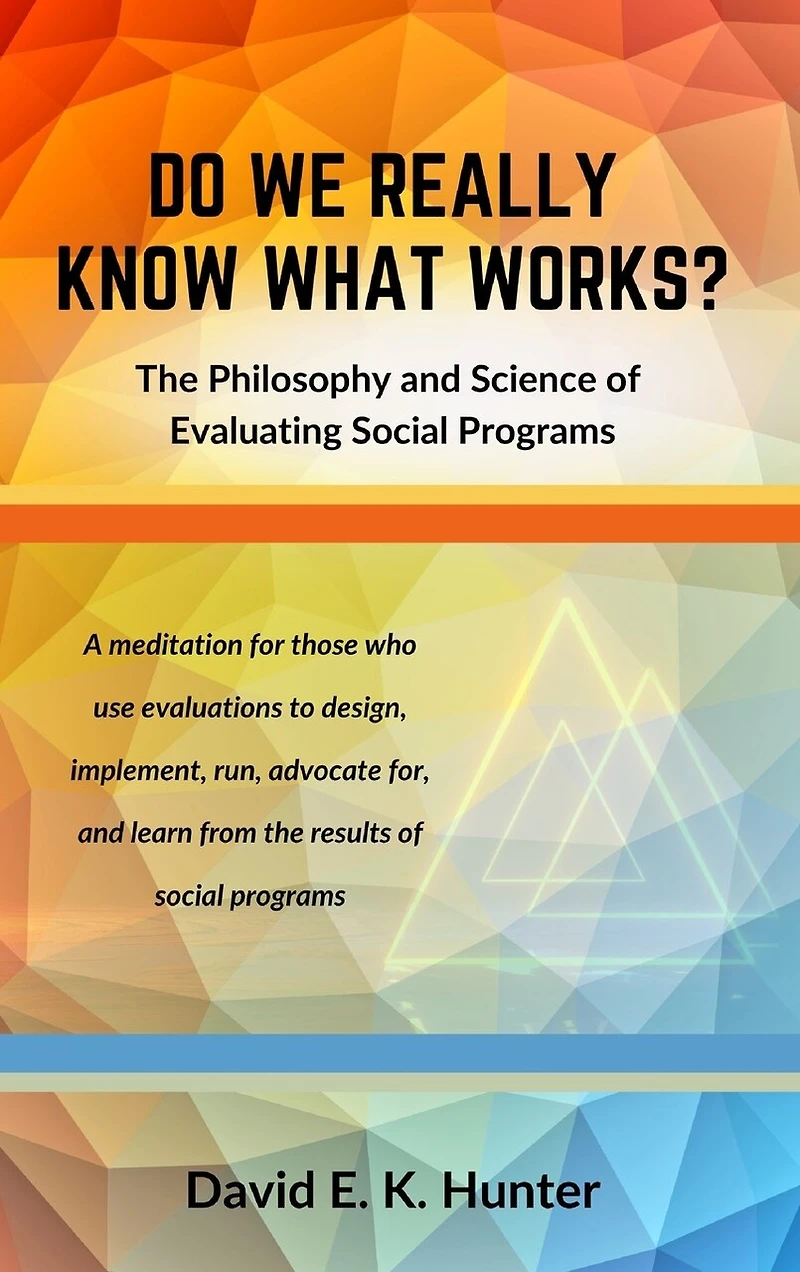
DO WE REALLY KNOW WHAT WORKS? The Philosophy and Science of Evaluating Social Programs in Grande Prairie, AB
Current price: $48.00
Coles
DO WE REALLY KNOW WHAT WORKS? The Philosophy and Science of Evaluating Social Programs in Grande Prairie, AB
Current price: $48.00
Loading Inventory...
Size: Hardcover
*Product information and pricing may vary - to confirm current pricing, availability, shipping, and return information please contact Coles. In the event of a pricing discrepancy, the retailer's price will apply.
For social program practitioners, evaluators, funders, consultants, and advocates, this book contrasts two major evaluation approaches: Randomized Controlled Trials (RCTs) and realist evaluations. Placing both in the historical context of the evolution of Western thought, it first examines the assumptions and beliefs that underly and frame their outlook on knowledge and how we acquire it. Then, it examines their strengths and weaknesses: to what situations are they best suited, what they can and can't deliver, which questions they can and can't answer, and how their results should be understood and utilized. Finally, it offers a series of concrete proposals for improving the quality of program evaluations and refining how to use the two approaches to help improve the lives and prospects of their intended beneficiaries.
For social program practitioners, evaluators, funders, consultants, and advocates, this book contrasts two major evaluation approaches: Randomized Controlled Trials (RCTs) and realist evaluations. Placing both in the historical context of the evolution of Western thought, it first examines the assumptions and beliefs that underly and frame their outlook on knowledge and how we acquire it. Then, it examines their strengths and weaknesses: to what situations are they best suited, what they can and can't deliver, which questions they can and can't answer, and how their results should be understood and utilized. Finally, it offers a series of concrete proposals for improving the quality of program evaluations and refining how to use the two approaches to help improve the lives and prospects of their intended beneficiaries.
You May Also Like















Find at Prairie Mall in Grande Prairie, AB
Visit at Prairie Mall in Grande Prairie, AB