


Gifting Made Simple
Give the Gift of ChoiceClick below to purchase a Prairie Mall eGift Card that can be used at participating retailers at Prairie Mall.Buy Gift CardHome
Divine Power and Evil: A Reply to Process Theodicy
Coles
Loading Inventory...
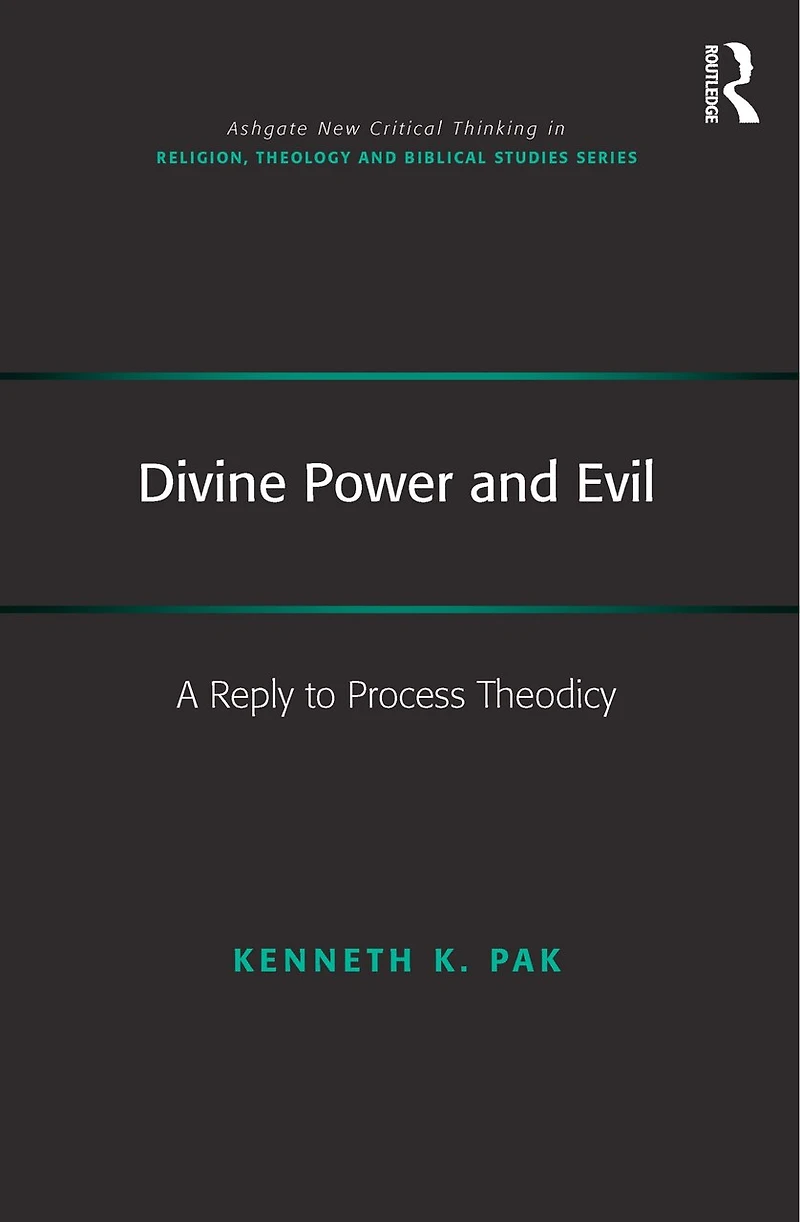
Divine Power and Evil: A Reply to Process Theodicy in Grande Prairie, AB
Current price: $333.50
Coles
Divine Power and Evil: A Reply to Process Theodicy in Grande Prairie, AB
Current price: $333.50
Loading Inventory...
Size: Hardcover
*Product information and pricing may vary - to confirm current pricing, availability, shipping, and return information please contact Coles. In the event of a pricing discrepancy, the retailer's price will apply.
Evil perplexes us all and threatens to undermine the meaningfulness of our existence. How can we reconcile the reality of evil with the notion of a God who is perfectly good and powerful? Process theodicy, whose foremost proponent is David Griffin, suggests one answer: because every being possesses its own power of self-determination in order for God to attain the divine aim of higher goodness for the world, God must take the risk of the possibility of evil. Divine Power and Evil responds to Griffin's criticisms against traditional theodicy, assesses the merits of process theodicy, and points out ways in which traditional theism could incorporate a number of Griffin's valuable insights in progressing toward a philosophically and theologically satisfactory theodicy. It provides a new and important contribution to a long-standing debate within philosophy of religion and theology.
Evil perplexes us all and threatens to undermine the meaningfulness of our existence. How can we reconcile the reality of evil with the notion of a God who is perfectly good and powerful? Process theodicy, whose foremost proponent is David Griffin, suggests one answer: because every being possesses its own power of self-determination in order for God to attain the divine aim of higher goodness for the world, God must take the risk of the possibility of evil. Divine Power and Evil responds to Griffin's criticisms against traditional theodicy, assesses the merits of process theodicy, and points out ways in which traditional theism could incorporate a number of Griffin's valuable insights in progressing toward a philosophically and theologically satisfactory theodicy. It provides a new and important contribution to a long-standing debate within philosophy of religion and theology.
You May Also Like










Find at Prairie Mall in Grande Prairie, AB
Visit at Prairie Mall in Grande Prairie, AB