


Gifting Made Simple
Give the Gift of ChoiceClick below to purchase a Prairie Mall eGift Card that can be used at participating retailers at Prairie Mall.Buy Gift CardHome
Disputation by Decree: The Public Disputations between Reformed Ministers and Dirck Volckertszoon Coornhert as Instruments of Religious Policy during the Dutch Revolt (1577-1583)
Coles
Loading Inventory...
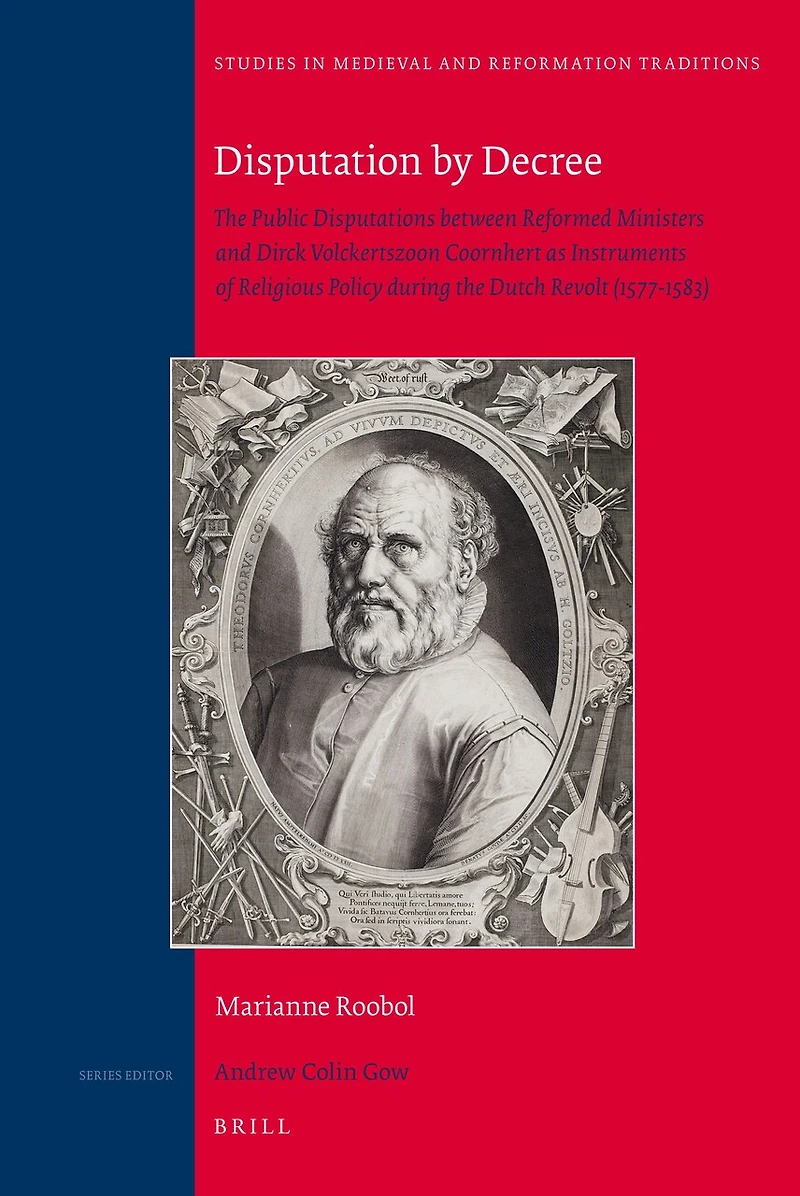
Disputation by Decree: The Public Disputations between Reformed Ministers and Dirck Volckertszoon Coornhert as Instruments of Religious Policy during the Dutch Revolt (1577-1583)
By None
Current price: $223.99
Coles
Disputation by Decree: The Public Disputations between Reformed Ministers and Dirck Volckertszoon Coornhert as Instruments of Religious Policy during the Dutch Revolt (1577-1583)
By None
Current price: $223.99
Loading Inventory...
Size: Hardcover
*Product information and pricing may vary - to confirm current pricing, availability, shipping, and return information please contact Coles. In the event of a pricing discrepancy, the retailer's price will apply.
Prevailing scholarly analysis of the public disputations between D.V. Coornhert (1522-1590) and Dutch Reformed ministers is firmly rooted in a principled view of early modern tolerance. This study proposes a new point of departure, which involves breaking away from a Coornhert-centred reading of the debates in Leiden and the Hague, while focusing on the formal status of these disputations instead. Government support of the Reformed Church proved the backbone of these illuminating ‘disputations by decree’. The public legitimization of the Reformed Church – a goal with both political and theological significance – was at stake. As a micro-history of two very unique occasions in Dutch history, this study sheds new light on the complex development of political and religious argument in the early phase of the Dutch Revolt.
Prevailing scholarly analysis of the public disputations between D.V. Coornhert (1522-1590) and Dutch Reformed ministers is firmly rooted in a principled view of early modern tolerance. This study proposes a new point of departure, which involves breaking away from a Coornhert-centred reading of the debates in Leiden and the Hague, while focusing on the formal status of these disputations instead. Government support of the Reformed Church proved the backbone of these illuminating ‘disputations by decree’. The public legitimization of the Reformed Church – a goal with both political and theological significance – was at stake. As a micro-history of two very unique occasions in Dutch history, this study sheds new light on the complex development of political and religious argument in the early phase of the Dutch Revolt.
You May Also Like















More About Coles at Prairie Mall
11801 100 St #104, Grande Prairie, AB T8V 3Y2, Canada
Find Coles at Prairie Mall in Grande Prairie, AB
Visit Coles at Prairie Mall in Grande Prairie, AB