


Gifting Made Simple
Give the Gift of ChoiceClick below to purchase a Prairie Mall eGift Card that can be used at participating retailers at Prairie Mall.Buy Gift CardHome
Displacing Blackness: Planning, Power, and Race Twentieth-Century Halifax
Coles
Loading Inventory...
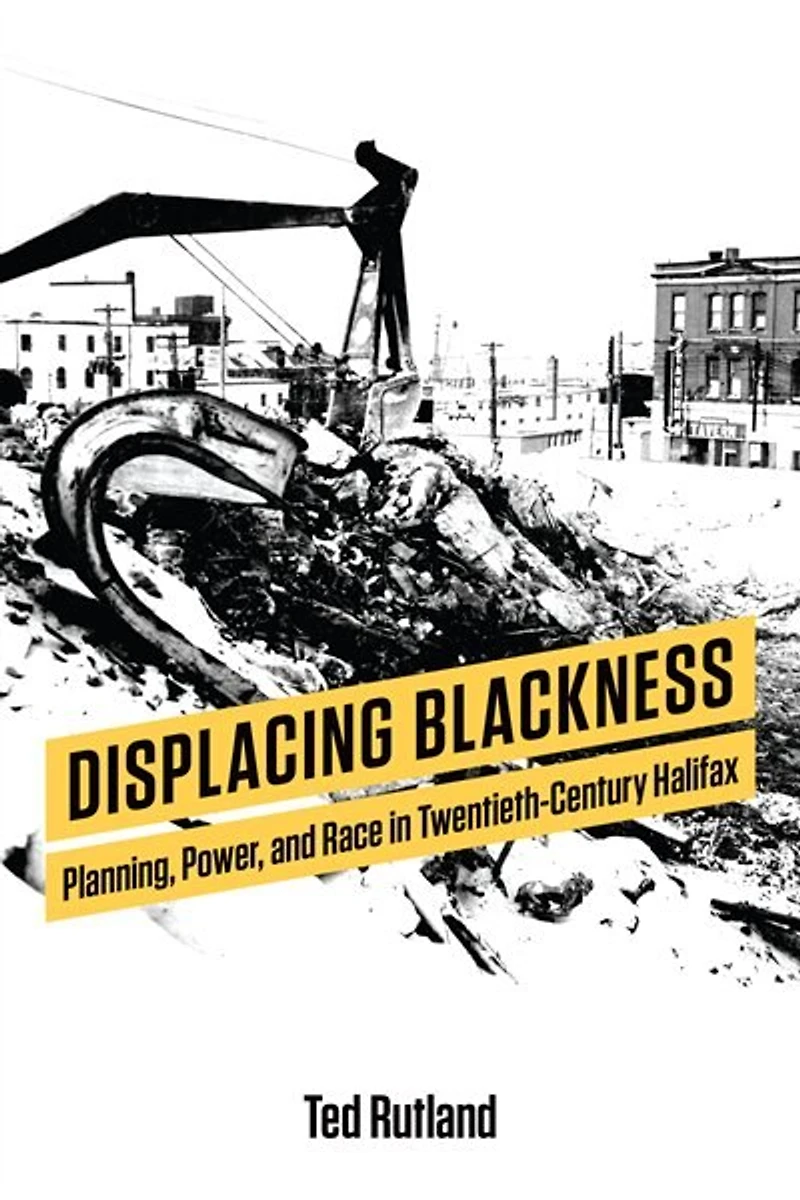
Displacing Blackness: Planning, Power, and Race Twentieth-Century Halifax in Grande Prairie, AB
Current price: $111.00
Coles
Displacing Blackness: Planning, Power, and Race Twentieth-Century Halifax in Grande Prairie, AB
Current price: $111.00
Loading Inventory...
Size: Hardcover
*Product information and pricing may vary - to confirm current pricing, availability, shipping, and return information please contact Coles. In the event of a pricing discrepancy, the retailer's price will apply.
Modern urban planning has long promised to improve the quality of human life. But how is human life defined? Displacing Blackness develops a unique critique of urban planning by focusing, not on its subservience to economic or political elites, but on its efforts to improve people’s lives.
While focused on twentieth-century Halifax, Displacing Blackness develops broad insights about the possibilities and limitations of modern planning. Drawing connections between the history of planning and emerging scholarship in Black Studies, Ted Rutland positions anti-blackness at the heart of contemporary city-making. Moving through a series of important planning initiatives, from a social housing project concerned with the moral and physical health of working-class residents to a sustainability-focused regional plan, Displacing Blackness shows how race – specifically blackness – has defined the boundaries of the human being and guided urban planning, with grave consequences for the city’s Black residents.
Modern urban planning has long promised to improve the quality of human life. But how is human life defined? Displacing Blackness develops a unique critique of urban planning by focusing, not on its subservience to economic or political elites, but on its efforts to improve people’s lives.
While focused on twentieth-century Halifax, Displacing Blackness develops broad insights about the possibilities and limitations of modern planning. Drawing connections between the history of planning and emerging scholarship in Black Studies, Ted Rutland positions anti-blackness at the heart of contemporary city-making. Moving through a series of important planning initiatives, from a social housing project concerned with the moral and physical health of working-class residents to a sustainability-focused regional plan, Displacing Blackness shows how race – specifically blackness – has defined the boundaries of the human being and guided urban planning, with grave consequences for the city’s Black residents.
You May Also Like










Find at Prairie Mall in Grande Prairie, AB
Visit at Prairie Mall in Grande Prairie, AB