


Gifting Made Simple
Give the Gift of ChoiceClick below to purchase a Prairie Mall eGift Card that can be used at participating retailers at Prairie Mall.Buy Gift CardHome
Discovering Group Theory: A Transition To Advanced Mathematics
Coles
Loading Inventory...
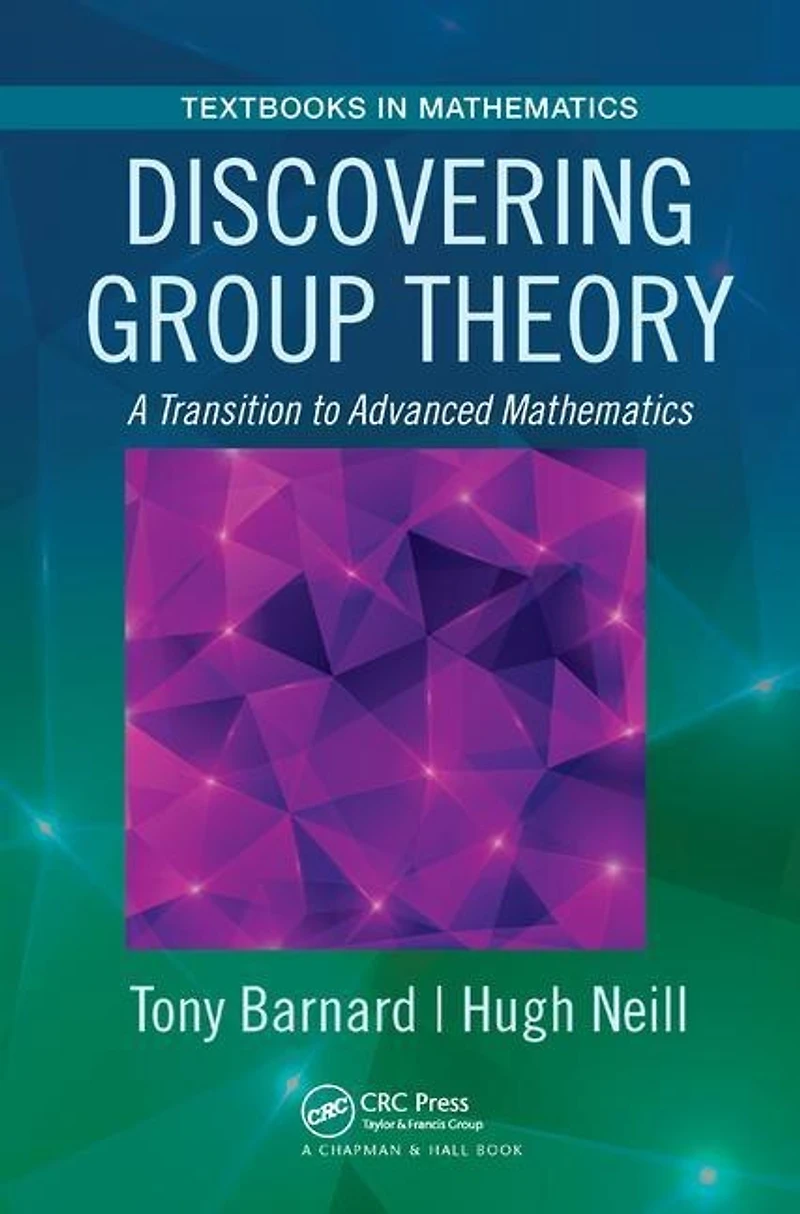
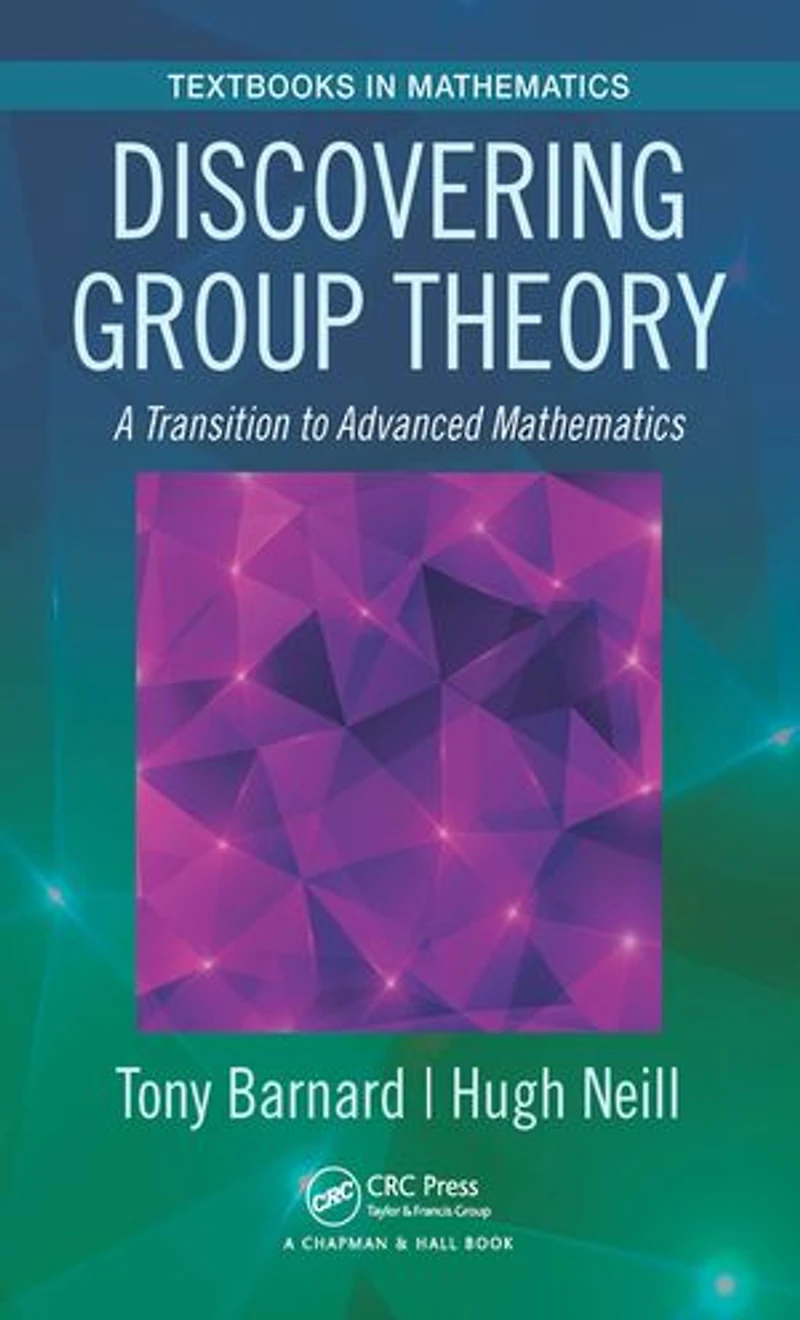
Discovering Group Theory: A Transition To Advanced Mathematics in Grande Prairie, AB
Current price: $399.95
Coles
Discovering Group Theory: A Transition To Advanced Mathematics in Grande Prairie, AB
Current price: $399.95
Loading Inventory...
Size: Hardcover
*Product information and pricing may vary - to confirm current pricing, availability, shipping, and return information please contact Coles. In the event of a pricing discrepancy, the retailer's price will apply.
Discovering Group Theory: A Transition to Advanced Mathematics presents the usual material that is found in a first course on groups and then does a bit more. The book is intended for students who find the kind of reasoning in abstract mathematics courses unfamiliar and need extra support in this transition to advanced mathematics. The book gives a number of examples of groups and subgroups, including permutation groups, dihedral groups, and groups of integer residue classes. The book goes on to study cosets and finishes with the first isomorphism theorem. Very little is assumed as background knowledge on the part of the reader. Some facility in algebraic manipulation is required, and a working knowledge of some of the properties of integers, such as knowing how to factorize integers into prime factors. The book aims to help students with the transition from concrete to abstract mathematical thinking.
Discovering Group Theory: A Transition to Advanced Mathematics presents the usual material that is found in a first course on groups and then does a bit more. The book is intended for students who find the kind of reasoning in abstract mathematics courses unfamiliar and need extra support in this transition to advanced mathematics. The book gives a number of examples of groups and subgroups, including permutation groups, dihedral groups, and groups of integer residue classes. The book goes on to study cosets and finishes with the first isomorphism theorem. Very little is assumed as background knowledge on the part of the reader. Some facility in algebraic manipulation is required, and a working knowledge of some of the properties of integers, such as knowing how to factorize integers into prime factors. The book aims to help students with the transition from concrete to abstract mathematical thinking.
You May Also Like










Find at Prairie Mall in Grande Prairie, AB
Visit at Prairie Mall in Grande Prairie, AB