


Gifting Made Simple
Give the Gift of ChoiceClick below to purchase a Prairie Mall eGift Card that can be used at participating retailers at Prairie Mall.Buy Gift CardHome
Disaster Writing: The Cultural Politics Of Catastrophe Latin America
Coles
Loading Inventory...
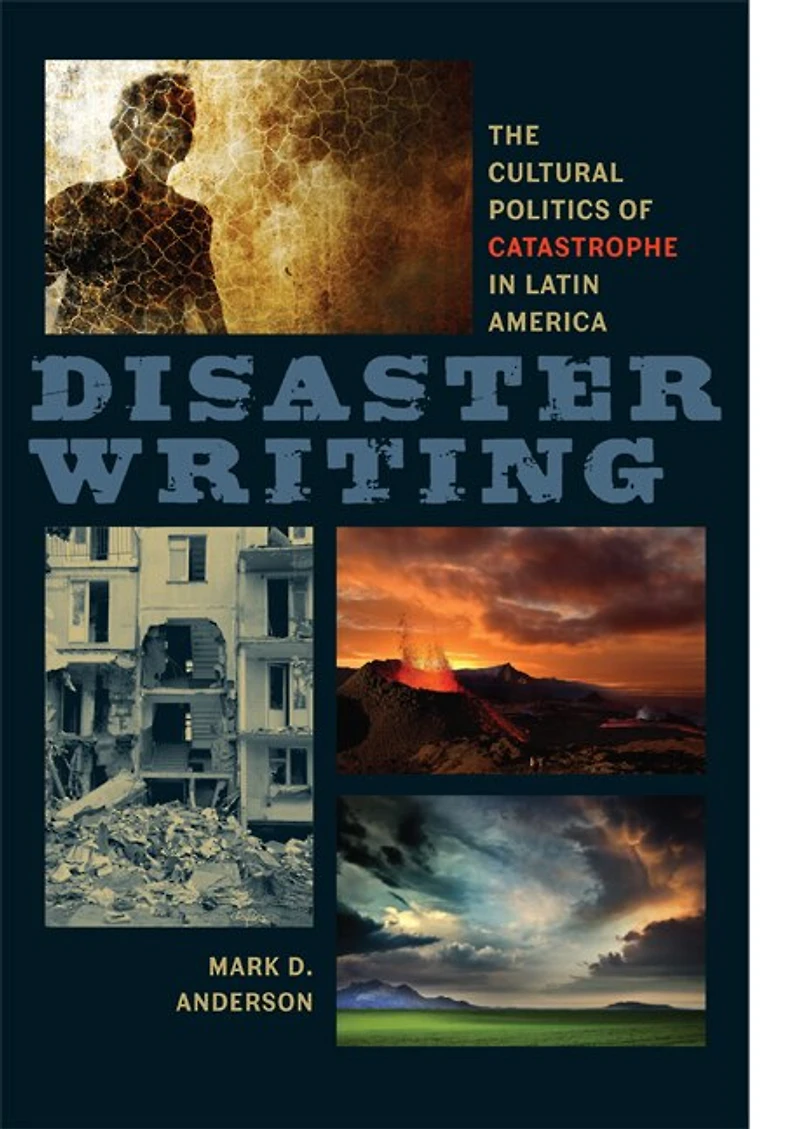
Disaster Writing: The Cultural Politics Of Catastrophe Latin America in Grande Prairie, AB
Current price: $85.95
Coles
Disaster Writing: The Cultural Politics Of Catastrophe Latin America in Grande Prairie, AB
Current price: $85.95
Loading Inventory...
Size: Hardcover
*Product information and pricing may vary - to confirm current pricing, availability, shipping, and return information please contact Coles. In the event of a pricing discrepancy, the retailer's price will apply.
In the aftermath of disaster, literary and other cultural representations of the event can play a role in the renegotiation of political power. In Disaster Writing, Mark D. Anderson analyzes four natural disasters in Latin America that acquired national significance and symbolism through literary mediation: the 1930 cyclone in the Dominican Republic, volcanic eruptions in Central America, the 1985 earthquake in Mexico City, and recurring drought in northeastern Brazil.
Taking a comparative and interdisciplinary approach to the disaster narratives, Anderson explores concepts such as the social construction of risk, landscape as political and cultural geography, vulnerability as the convergence of natural hazard and social marginalization, and the cultural mediation of trauma and loss. He shows how the political and historical contexts suggest a systematic link between natural disaster and cultural politics.
In the aftermath of disaster, literary and other cultural representations of the event can play a role in the renegotiation of political power. In Disaster Writing, Mark D. Anderson analyzes four natural disasters in Latin America that acquired national significance and symbolism through literary mediation: the 1930 cyclone in the Dominican Republic, volcanic eruptions in Central America, the 1985 earthquake in Mexico City, and recurring drought in northeastern Brazil.
Taking a comparative and interdisciplinary approach to the disaster narratives, Anderson explores concepts such as the social construction of risk, landscape as political and cultural geography, vulnerability as the convergence of natural hazard and social marginalization, and the cultural mediation of trauma and loss. He shows how the political and historical contexts suggest a systematic link between natural disaster and cultural politics.
You May Also Like








Find at Prairie Mall in Grande Prairie, AB
Visit at Prairie Mall in Grande Prairie, AB