


Gifting Made Simple
Give the Gift of ChoiceClick below to purchase a Prairie Mall eGift Card that can be used at participating retailers at Prairie Mall.Buy Gift CardHome
Disarticulation and Preservation of Fossil Echinoderms: Recognition of Ecological-Time Information in the Echinoderm Fossil Record
Coles
Loading Inventory...
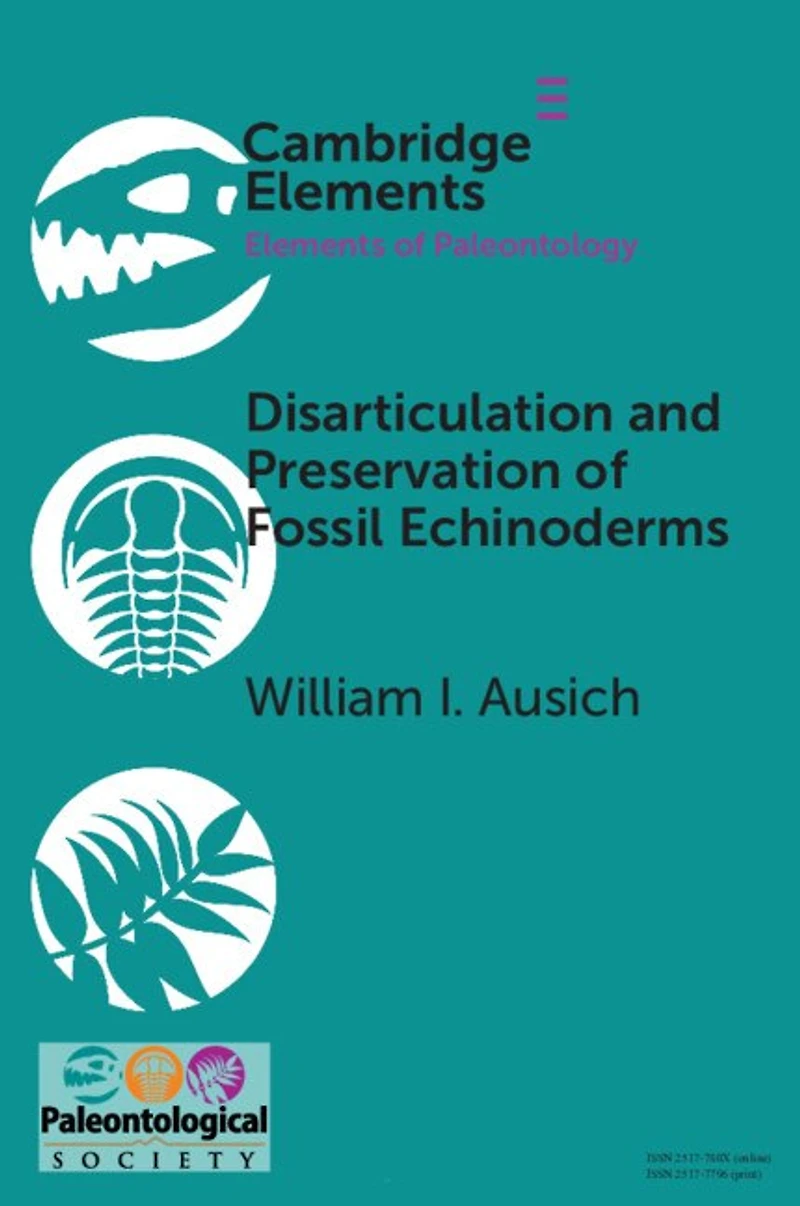
Disarticulation and Preservation of Fossil Echinoderms: Recognition of Ecological-Time Information in the Echinoderm Fossil Record in Grande Prairie, AB
Current price: $29.54
Coles
Disarticulation and Preservation of Fossil Echinoderms: Recognition of Ecological-Time Information in the Echinoderm Fossil Record in Grande Prairie, AB
Current price: $29.54
Loading Inventory...
Size: Paperback
*Product information and pricing may vary - to confirm current pricing, availability, shipping, and return information please contact Coles. In the event of a pricing discrepancy, the retailer's price will apply.
The history of life on earth is largely reconstructed from time-averaged accumulations of fossils. A glimpse at ecologic-time attributes and processes is relatively rare. However, the time-sensitive and predictability of echinoderm disarticulation makes them model organisms to determine post-mortem transportation and allows recognition of ecological-time data within paleocommunity accumulations. Unlike many other fossil groups, this has allowed research on many aspects of echinoderms and their paleocommunities, such as the distribution of soft tissues, assessment of the amount of fossil transportation prior to burial, determination of intraspecific variation, paleocommunity composition, estimation of relative abundance of taxa in paleocommunities, determination of attributes of niche differentiation, etc. Crinoids and echinoids have received the most amount of taphonomic research, and the patterns present in these two groups can be used to develop a more thorough understanding of all echinoderm clades.
The history of life on earth is largely reconstructed from time-averaged accumulations of fossils. A glimpse at ecologic-time attributes and processes is relatively rare. However, the time-sensitive and predictability of echinoderm disarticulation makes them model organisms to determine post-mortem transportation and allows recognition of ecological-time data within paleocommunity accumulations. Unlike many other fossil groups, this has allowed research on many aspects of echinoderms and their paleocommunities, such as the distribution of soft tissues, assessment of the amount of fossil transportation prior to burial, determination of intraspecific variation, paleocommunity composition, estimation of relative abundance of taxa in paleocommunities, determination of attributes of niche differentiation, etc. Crinoids and echinoids have received the most amount of taphonomic research, and the patterns present in these two groups can be used to develop a more thorough understanding of all echinoderm clades.
You May Also Like











Find at Prairie Mall in Grande Prairie, AB
Visit at Prairie Mall in Grande Prairie, AB