


Gifting Made Simple
Give the Gift of ChoiceClick below to purchase a Prairie Mall eGift Card that can be used at participating retailers at Prairie Mall.Buy Gift CardHome
Disaggregating Diasporas as a Force Role Contestation: Mobilising the Marginalised Foreign Affairs
Coles
Loading Inventory...
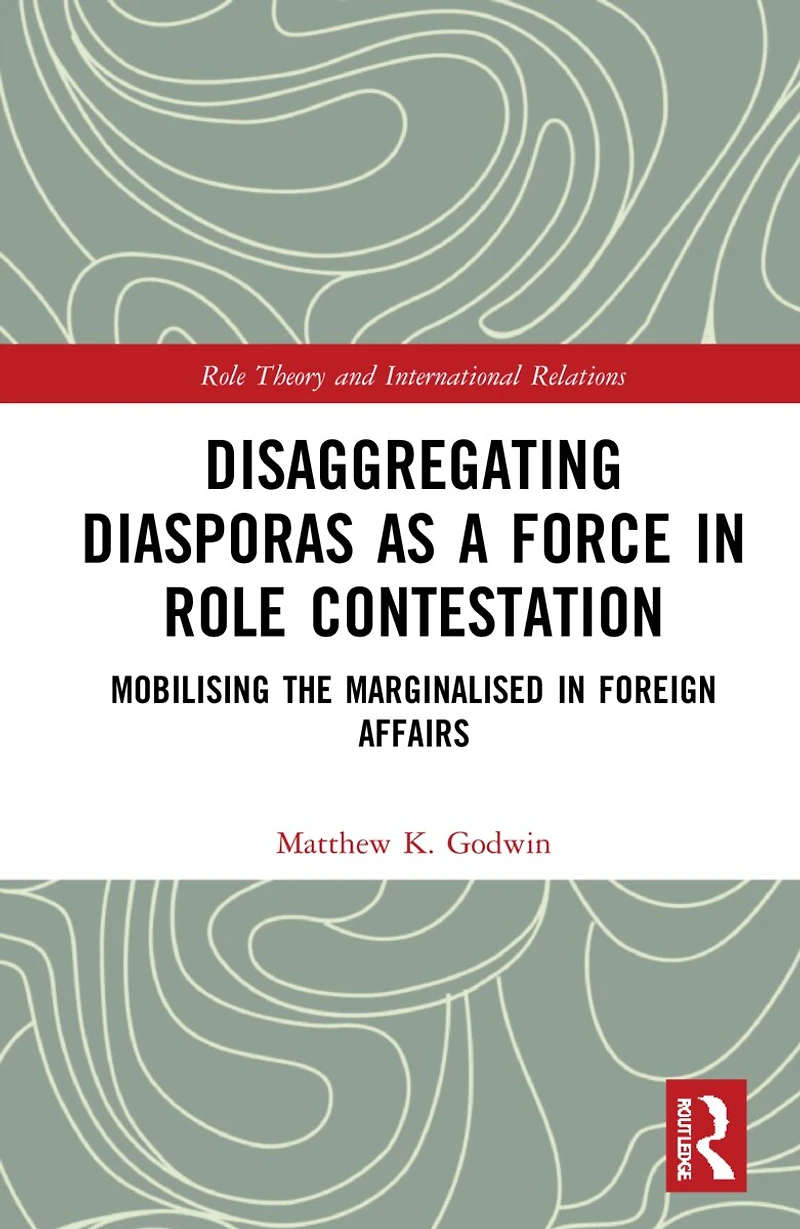
Disaggregating Diasporas as a Force Role Contestation: Mobilising the Marginalised Foreign Affairs
By None
Current price: $296.50
Coles
Disaggregating Diasporas as a Force Role Contestation: Mobilising the Marginalised Foreign Affairs
By None
Current price: $296.50
Loading Inventory...
Size: Hardcover
*Product information and pricing may vary - to confirm current pricing, availability, shipping, and return information please contact Coles. In the event of a pricing discrepancy, the retailer's price will apply.
Using a Role Theory lens, this book investigates Tamil diaspora mass movements and interest groups as marginalised forces of domestic foreign policy influence. Until now Role Theory has not considered diaspora mass movements as collective action actors, nor looked at how marginalised diasporas influence elite foreign policy decision-making.Matthew K. Godwin employs a comparative, micro-level decision-making narrative that looks incisively at decisions faced by the British and Canadian governments in 2009 and 2013 towards the Sri Lankan civil war and its aftermath. Through qualitative, elite-level interviews and content analysis of other primary source data, Godwin convincingly argues that when diaspora interest group elites are leveraging the power of mass movements in concert with credible partisan advocates, they can influence role contestation. However, international institutional constraints on role behaviour may stymie their preferred role performance, especially if states are indispensable to the institutions their behaviour may unravel. Ultimately, Godwin concludes that some states can't behave "badly," even when they want to.This book will be of interest to students and researchers of lnternational Relations, Foreign Policy Analysis, Comparative Politics, Migration Studies and to non-government organisations who seek to influence governments.
Using a Role Theory lens, this book investigates Tamil diaspora mass movements and interest groups as marginalised forces of domestic foreign policy influence. Until now Role Theory has not considered diaspora mass movements as collective action actors, nor looked at how marginalised diasporas influence elite foreign policy decision-making.Matthew K. Godwin employs a comparative, micro-level decision-making narrative that looks incisively at decisions faced by the British and Canadian governments in 2009 and 2013 towards the Sri Lankan civil war and its aftermath. Through qualitative, elite-level interviews and content analysis of other primary source data, Godwin convincingly argues that when diaspora interest group elites are leveraging the power of mass movements in concert with credible partisan advocates, they can influence role contestation. However, international institutional constraints on role behaviour may stymie their preferred role performance, especially if states are indispensable to the institutions their behaviour may unravel. Ultimately, Godwin concludes that some states can't behave "badly," even when they want to.This book will be of interest to students and researchers of lnternational Relations, Foreign Policy Analysis, Comparative Politics, Migration Studies and to non-government organisations who seek to influence governments.
You May Also Like















More About Coles at Prairie Mall
11801 100 St #104, Grande Prairie, AB T8V 3Y2, Canada
Find Coles at Prairie Mall in Grande Prairie, AB
Visit Coles at Prairie Mall in Grande Prairie, AB