


Gifting Made Simple
Give the Gift of ChoiceClick below to purchase a Prairie Mall eGift Card that can be used at participating retailers at Prairie Mall.Buy Gift CardHome
Digital Revolution for The Vulnerable: Untold Story of Bangladesh's Social Safety Net Transformation
Coles
Loading Inventory...

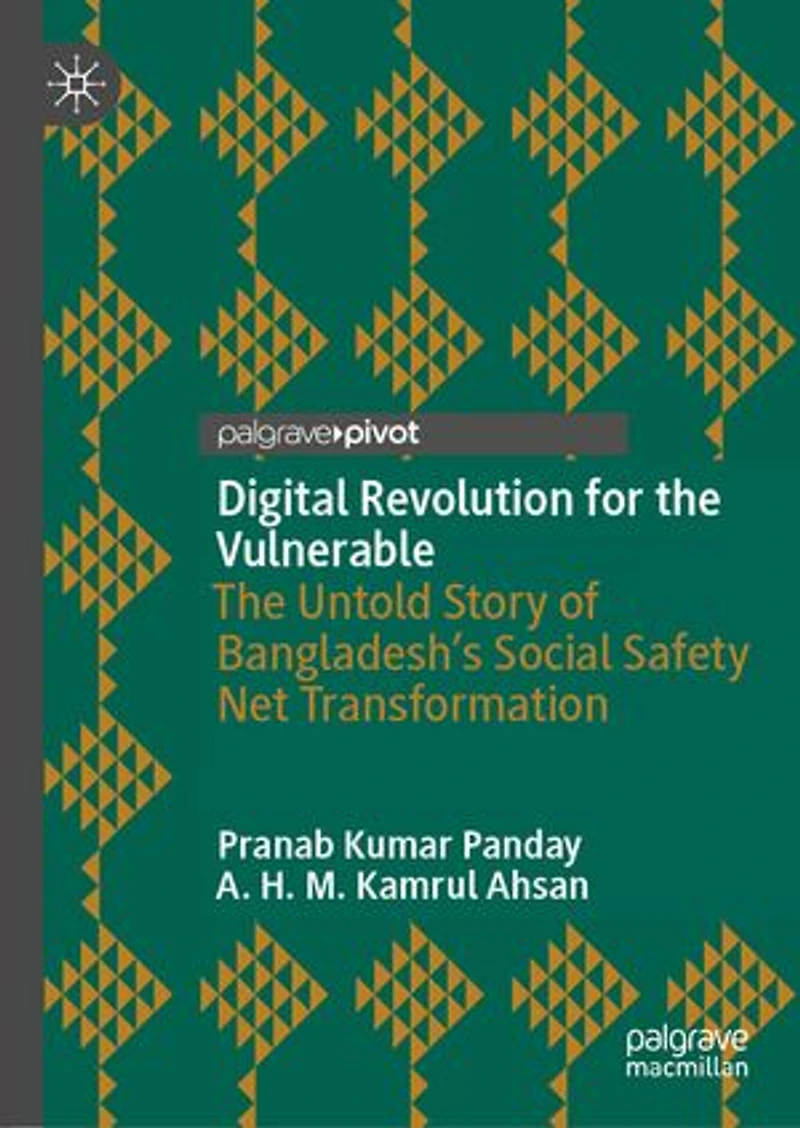
Digital Revolution for The Vulnerable: Untold Story of Bangladesh's Social Safety Net Transformation
By None
Current price: $65.95
Coles
Digital Revolution for The Vulnerable: Untold Story of Bangladesh's Social Safety Net Transformation
By None
Current price: $65.95
Loading Inventory...
Size: Hardcover
*Product information and pricing may vary - to confirm current pricing, availability, shipping, and return information please contact Coles. In the event of a pricing discrepancy, the retailer's price will apply.
Digital Revolution for the Vulnerable tells a grounded, sometimes uncomfortable, and ultimately hopeful story about Bangladesh&s push to shift social protection from paper registers to mobile screens-from cash to code. Instead of getting lost in jargon and big promises, the book stays close to real lives: people receiving old age allowances, widows and destitute women relying on small but vital stipends, and the local officials trying to make a new system work. It traces how mobile money and government-to-person (G2P) payments can reduce leakage, sideline middlemen, and speed up transfers, while still leaving many behind because of gender norms, where they live, what they can read, and who holds power. Drawing on detailed fieldwork and clear-eyed policy thinking, the authors show what actually works on the ground, what falls apart in practice, and what needs to change so that digital cash transfers respect people&s dignity and strengthen their voice, rather than simply making the system more efficient.
Digital Revolution for the Vulnerable tells a grounded, sometimes uncomfortable, and ultimately hopeful story about Bangladesh&s push to shift social protection from paper registers to mobile screens-from cash to code. Instead of getting lost in jargon and big promises, the book stays close to real lives: people receiving old age allowances, widows and destitute women relying on small but vital stipends, and the local officials trying to make a new system work. It traces how mobile money and government-to-person (G2P) payments can reduce leakage, sideline middlemen, and speed up transfers, while still leaving many behind because of gender norms, where they live, what they can read, and who holds power. Drawing on detailed fieldwork and clear-eyed policy thinking, the authors show what actually works on the ground, what falls apart in practice, and what needs to change so that digital cash transfers respect people&s dignity and strengthen their voice, rather than simply making the system more efficient.
You May Also Like


















More About Coles at Prairie Mall
11801 100 St #104, Grande Prairie, AB T8V 3Y2, Canada
Find Coles at Prairie Mall in Grande Prairie, AB
Visit Coles at Prairie Mall in Grande Prairie, AB