


Gifting Made Simple
Give the Gift of ChoiceClick below to purchase a Prairie Mall eGift Card that can be used at participating retailers at Prairie Mall.Buy Gift CardHome
Different Beasts: Humans and Animals Spinoza the Zhuangzi
Coles
Loading Inventory...
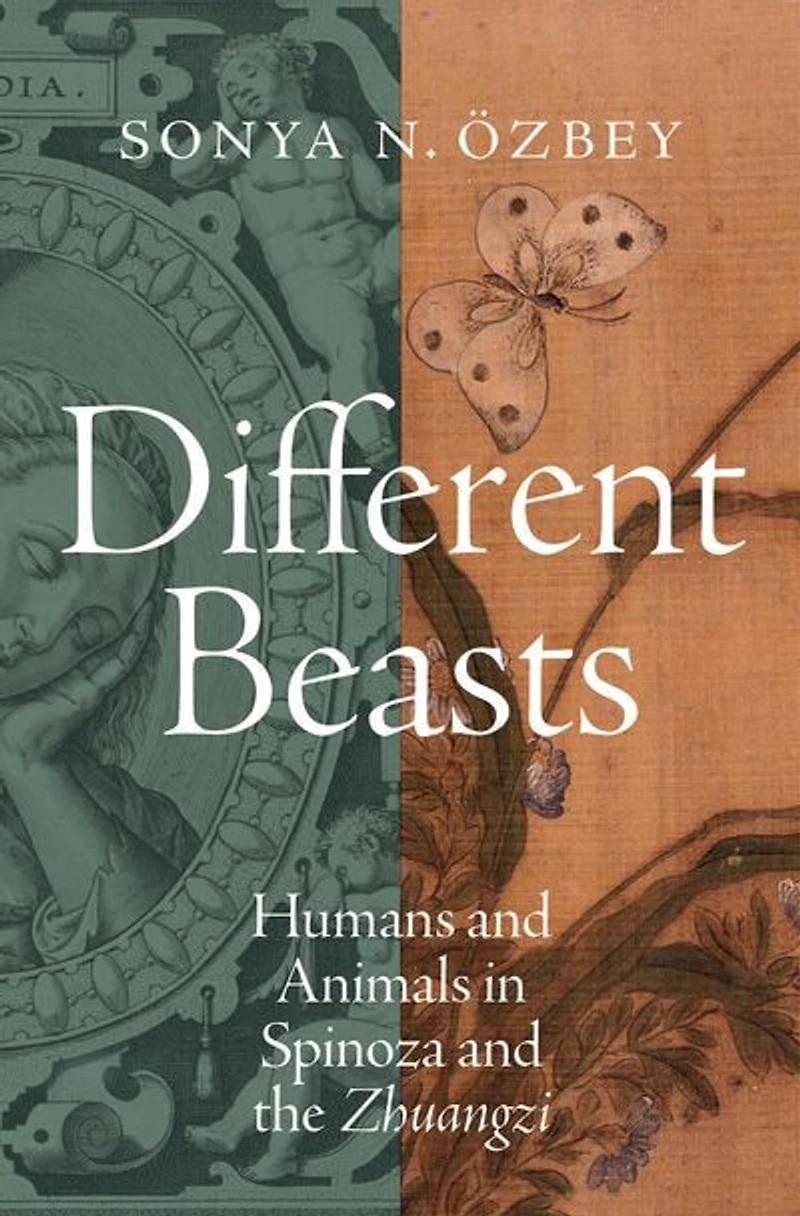
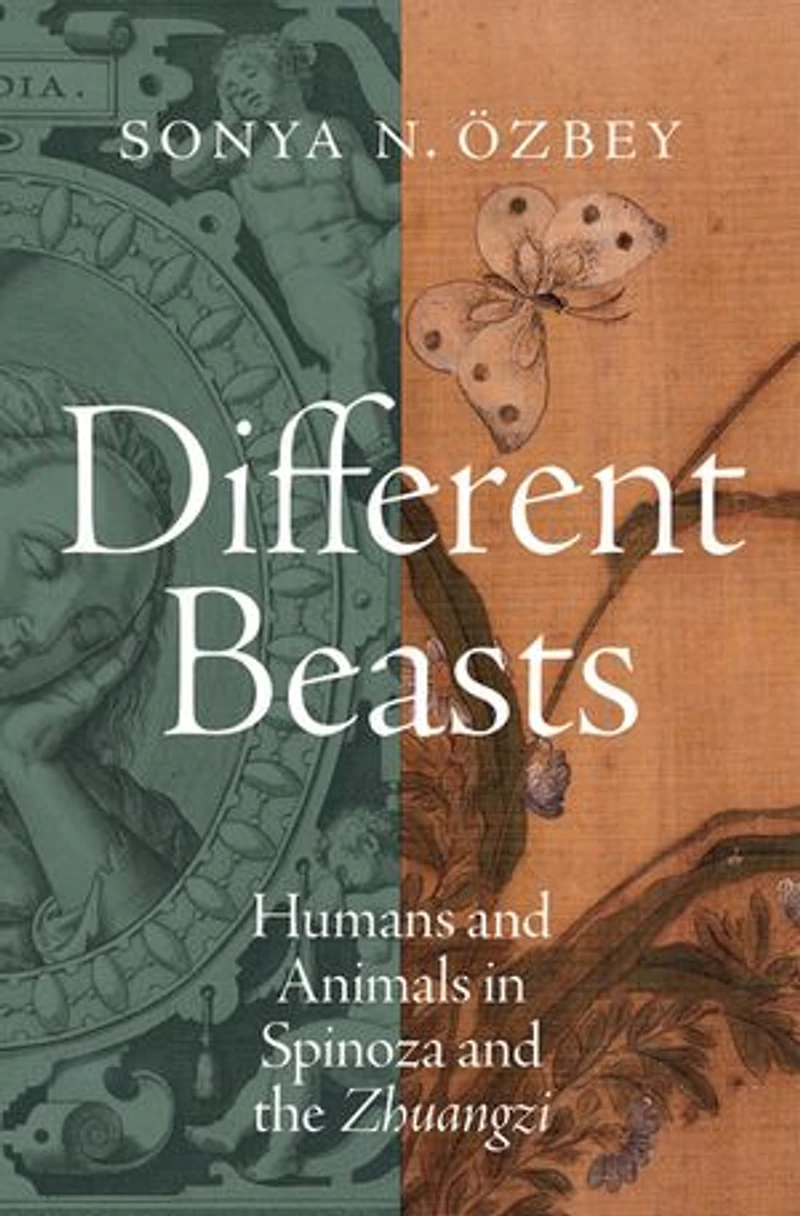
Different Beasts: Humans and Animals Spinoza the Zhuangzi in Grande Prairie, AB
Current price: $145.88
Coles
Different Beasts: Humans and Animals Spinoza the Zhuangzi in Grande Prairie, AB
Current price: $145.88
Loading Inventory...
Size: Hardcover
*Product information and pricing may vary - to confirm current pricing, availability, shipping, and return information please contact Coles. In the event of a pricing discrepancy, the retailer's price will apply.
Different Beasts studies conceptions of human and animal identity as articulated in the ancient Chinese text known as the Zhuangzi and in the works of the seventeenth-century European philosopher Benedict de Spinoza. By examining how, in these very different philosophies, notions of humanness and animality intersect with ideas about human unity and solidarity, social order, and social difference categories (such as gender, descent, and ability), Different Beasts opens new paths for understanding Spinoza and the Zhuangzi while also developing methodological insights into the practice of cross-cultural comparative philosophy. Different Beasts critically engages with a long tradition of reading Spinoza together with Asian “wisdom literatures” and especially with canonical Chinese texts. Interpretations of these works, which are outside the mainstream philosophical canon (defined from a certain Euro-American perspective), often see them as premised on a harmonious view of the world, free of tensions between humans and the nonhuman world. Different Beasts adds to the literature of animality and to the practice of turning one's attention toward “non-canonical” philosophical texts to seek new understandings. However, it argues that the transformative potential of studying these texts does not lie in their allegedly harmonious view of the world but in the variety of ways they exhibit humans' uniqueness, foolishness, or superiority, which can help us further understand our own often contradictory investments in the human-animal binary.
Different Beasts studies conceptions of human and animal identity as articulated in the ancient Chinese text known as the Zhuangzi and in the works of the seventeenth-century European philosopher Benedict de Spinoza. By examining how, in these very different philosophies, notions of humanness and animality intersect with ideas about human unity and solidarity, social order, and social difference categories (such as gender, descent, and ability), Different Beasts opens new paths for understanding Spinoza and the Zhuangzi while also developing methodological insights into the practice of cross-cultural comparative philosophy. Different Beasts critically engages with a long tradition of reading Spinoza together with Asian “wisdom literatures” and especially with canonical Chinese texts. Interpretations of these works, which are outside the mainstream philosophical canon (defined from a certain Euro-American perspective), often see them as premised on a harmonious view of the world, free of tensions between humans and the nonhuman world. Different Beasts adds to the literature of animality and to the practice of turning one's attention toward “non-canonical” philosophical texts to seek new understandings. However, it argues that the transformative potential of studying these texts does not lie in their allegedly harmonious view of the world but in the variety of ways they exhibit humans' uniqueness, foolishness, or superiority, which can help us further understand our own often contradictory investments in the human-animal binary.
You May Also Like








Find at Prairie Mall in Grande Prairie, AB
Visit at Prairie Mall in Grande Prairie, AB