


Gifting Made Simple
Give the Gift of ChoiceClick below to purchase a Prairie Mall eGift Card that can be used at participating retailers at Prairie Mall.Buy Gift CardHome
Dickens and the Bible: 'What Providence Meant'
Coles
Loading Inventory...
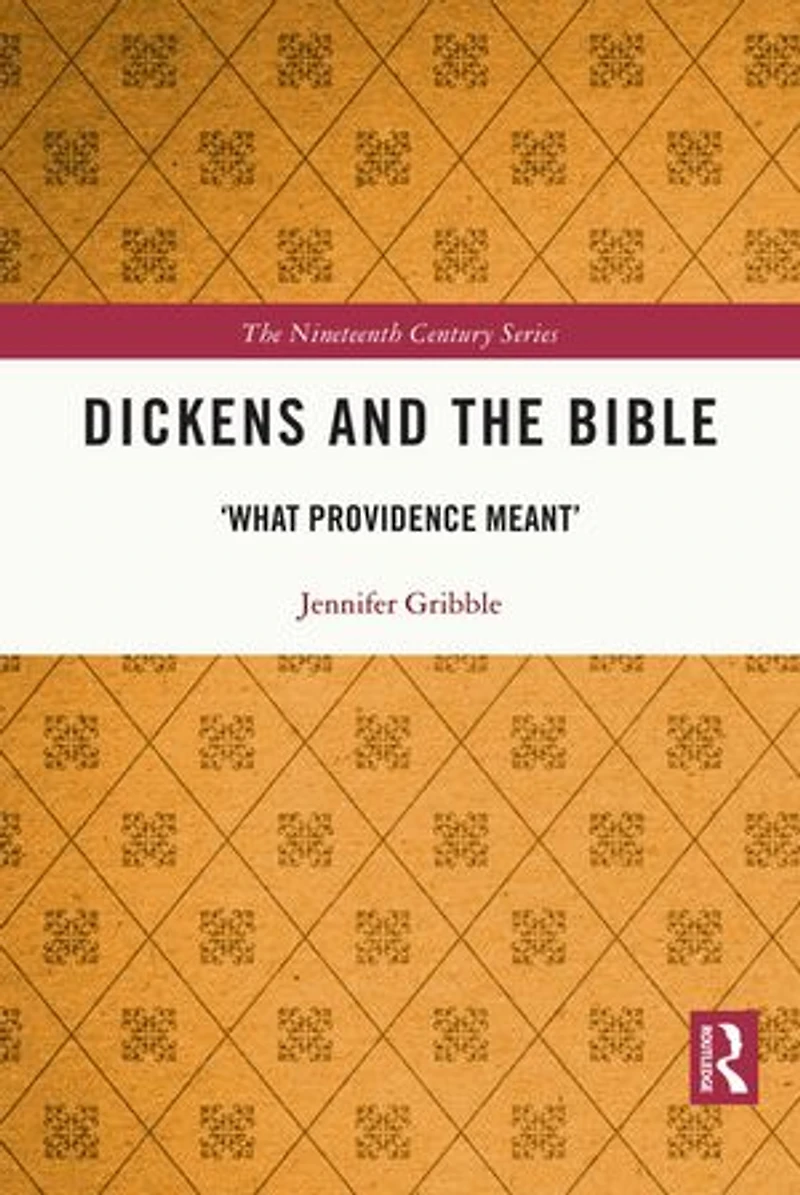
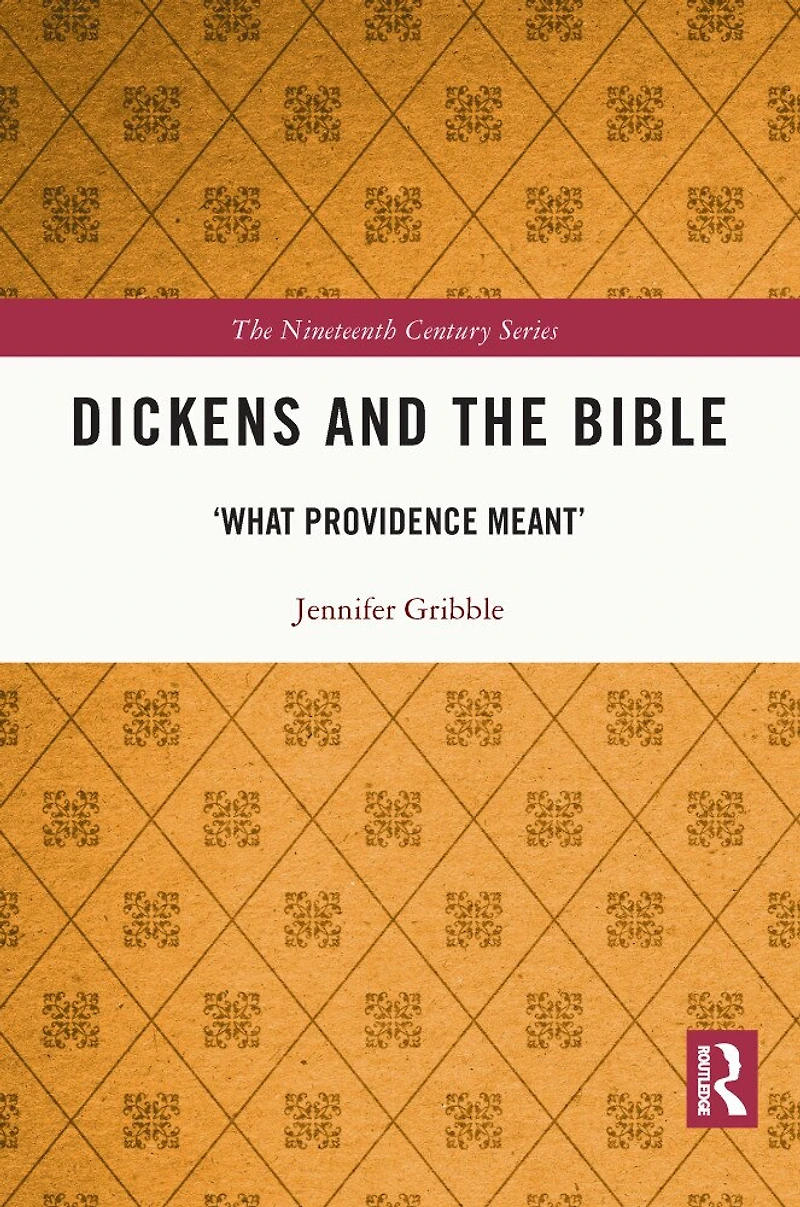
Dickens and the Bible: 'What Providence Meant' in Grande Prairie, AB
Current price: $78.71
Coles
Dickens and the Bible: 'What Providence Meant' in Grande Prairie, AB
Current price: $78.71
Loading Inventory...
Size: Kobo eBook
*Product information and pricing may vary - to confirm current pricing, availability, shipping, and return information please contact Coles. In the event of a pricing discrepancy, the retailer's price will apply.
At a time when biblical authority was under challenge from the Higher Criticism and evolutionary science, 'what providence meant' was the most keenly contested of questions. This book takes up the controversial subject of Dickens and religion, and offers a significant contribution to the interdisciplinary area of religion and literature. In a close study of major novels, it argues that networks of biblical allusion reveal the Judeo-Christian grand narrative as key to his development as a writer, and as the ontological ground on which he stands to appeal to 'the conscience of a Christian people'. Engaging the biblical narrative in dialogue with other contemporary narratives that concern themselves with origins, destinations, and hermeneutic decipherments, the inimitable Dickens affirms the Bible's still-active role in popular culture. The providential thinking of two twentieth-century theorists, Bakhtin and Ricoeur, sheds light on an exploration of Dickens's narrative theology.
At a time when biblical authority was under challenge from the Higher Criticism and evolutionary science, 'what providence meant' was the most keenly contested of questions. This book takes up the controversial subject of Dickens and religion, and offers a significant contribution to the interdisciplinary area of religion and literature. In a close study of major novels, it argues that networks of biblical allusion reveal the Judeo-Christian grand narrative as key to his development as a writer, and as the ontological ground on which he stands to appeal to 'the conscience of a Christian people'. Engaging the biblical narrative in dialogue with other contemporary narratives that concern themselves with origins, destinations, and hermeneutic decipherments, the inimitable Dickens affirms the Bible's still-active role in popular culture. The providential thinking of two twentieth-century theorists, Bakhtin and Ricoeur, sheds light on an exploration of Dickens's narrative theology.
You May Also Like











Find at Prairie Mall in Grande Prairie, AB
Visit at Prairie Mall in Grande Prairie, AB