


Gifting Made Simple
Give the Gift of ChoiceClick below to purchase a Prairie Mall eGift Card that can be used at participating retailers at Prairie Mall.Buy Gift CardHome
Diagnostic Neuropathology: Volume II
Coles
Loading Inventory...
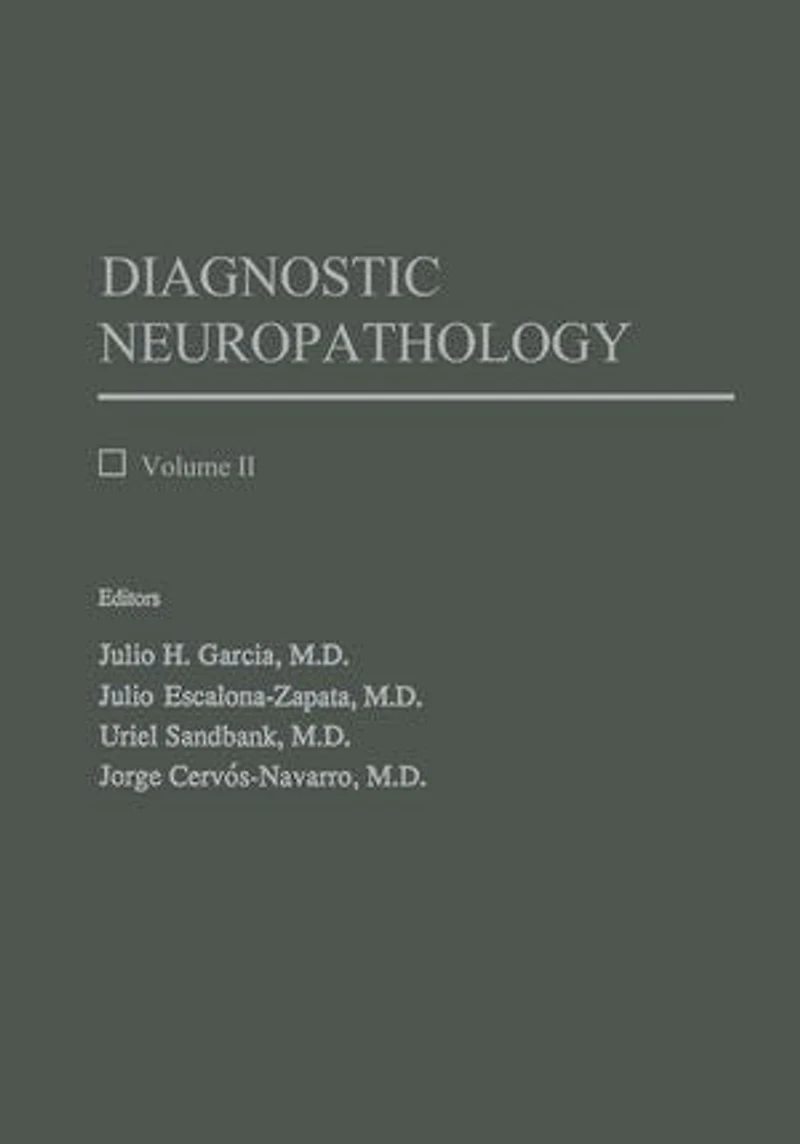
Diagnostic Neuropathology: Volume II in Grande Prairie, AB
Current price: $64.99
Original price: $80.62
Coles
Diagnostic Neuropathology: Volume II in Grande Prairie, AB
Current price: $64.99
Original price: $80.62
Loading Inventory...
Size: Kobo eBook
*Product information and pricing may vary - to confirm current pricing, availability, shipping, and return information please contact Coles. In the event of a pricing discrepancy, the retailer's price will apply.
Every year dozens of physicians-in-training face, for the first time, the responsibil- ity of examining and diagnosing central nervous system tumors or biopsies of the central nervous system, the peripheral nerves or muscles, whose surgical resection has been decided on both as a form of treatment (in the case of tumors) and as means to confirm a presumptive diagnosis. The selection of the most appropriate form of post surgical treatment for most tumors is predicated on the precise identification of the tumor cells. The evaluation of the specimen, by a pathologist, will not only determine whether the lesion is truly neoplastic, but also whether there are histologic indicators of malig- nancy. Moreover, in some cases, the pathologist will be asked to determine whether the tumor cells contain certain hormone precursors or receptors, as an example. Recognition of many of the features that one must search for requires the judicious application of methods that may not be readily known to the physicians involved in the various diagnostic procedures. The handling and processing of the tissues as they arrive in the pathology laboratory for the above reasons vary as a function of the organ (or site) of origin of a given tumor as well as a function of the presumptive clinical diagnosis. The material contained in this book series has been organized in an attempt to help the pathologists-in-training, the general pathologists, the neurosurgeons, and neu- rologists to understand the logic behind such special requirements.
Every year dozens of physicians-in-training face, for the first time, the responsibil- ity of examining and diagnosing central nervous system tumors or biopsies of the central nervous system, the peripheral nerves or muscles, whose surgical resection has been decided on both as a form of treatment (in the case of tumors) and as means to confirm a presumptive diagnosis. The selection of the most appropriate form of post surgical treatment for most tumors is predicated on the precise identification of the tumor cells. The evaluation of the specimen, by a pathologist, will not only determine whether the lesion is truly neoplastic, but also whether there are histologic indicators of malig- nancy. Moreover, in some cases, the pathologist will be asked to determine whether the tumor cells contain certain hormone precursors or receptors, as an example. Recognition of many of the features that one must search for requires the judicious application of methods that may not be readily known to the physicians involved in the various diagnostic procedures. The handling and processing of the tissues as they arrive in the pathology laboratory for the above reasons vary as a function of the organ (or site) of origin of a given tumor as well as a function of the presumptive clinical diagnosis. The material contained in this book series has been organized in an attempt to help the pathologists-in-training, the general pathologists, the neurosurgeons, and neu- rologists to understand the logic behind such special requirements.



















Find at Prairie Mall in Grande Prairie, AB
Visit at Prairie Mall in Grande Prairie, AB