


Gifting Made Simple
Give the Gift of ChoiceClick below to purchase a Prairie Mall eGift Card that can be used at participating retailers at Prairie Mall.Buy Gift CardHome
Diagnosis of Endometriosis: Biomarkers and Clinical Methods
Coles
Loading Inventory...
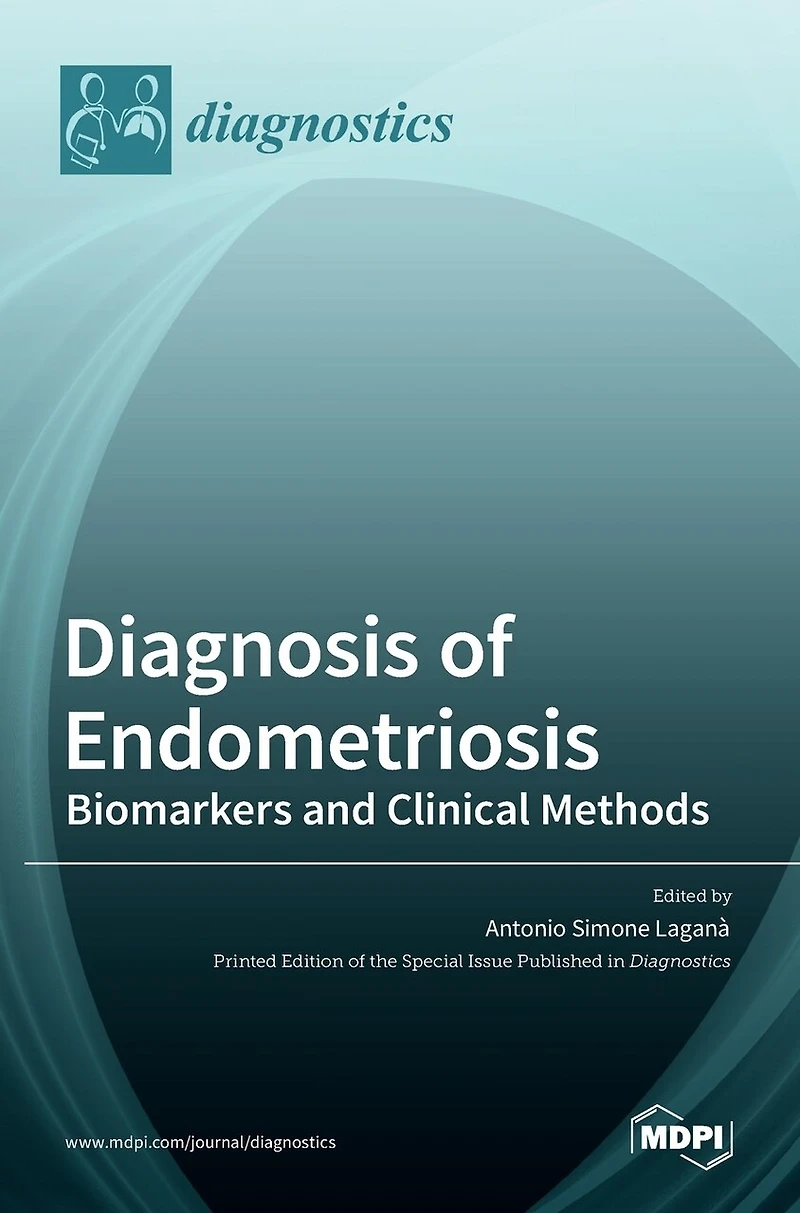
Diagnosis of Endometriosis: Biomarkers and Clinical Methods in Grande Prairie, AB
Current price: $61.20
Coles
Diagnosis of Endometriosis: Biomarkers and Clinical Methods in Grande Prairie, AB
Current price: $61.20
Loading Inventory...
Size: Hardcover
*Product information and pricing may vary - to confirm current pricing, availability, shipping, and return information please contact Coles. In the event of a pricing discrepancy, the retailer's price will apply.
Endometriosis is defined as the presence of endometrial-like endometrial cells, glands, and stroma outside the uterus, causing a wide range of symptoms and signs, including acute and chronic pelvic pain and infertility. Endometriosis affects approximately 10% of women of reproductive age, and up to 50% of infertile women. The etiopathogenesis of endometriosis still remains controversial: immune, hormonal, genetic, and epigenetic factors may be all involved, and several theories have been proposed to explain it. One of the main problems for the management of endometriosis is the significant diagnostic delay: to date, several biomarkers are currently being tested in order to provide a reliable non-invasive diagnosis in case of symptoms and signs suspicious for endometriosis. In addition, ultrasound techniques and magnetic resonance imaging are evolving rapidly, allowing for better accuracy, even with the use of artificial intelligence. Finally, new potential histological makers are helping to correlate the occurrence of endometriosis in different anatomical landmarks, supporting specific pathways to clarify the etiology of the disease.
Endometriosis is defined as the presence of endometrial-like endometrial cells, glands, and stroma outside the uterus, causing a wide range of symptoms and signs, including acute and chronic pelvic pain and infertility. Endometriosis affects approximately 10% of women of reproductive age, and up to 50% of infertile women. The etiopathogenesis of endometriosis still remains controversial: immune, hormonal, genetic, and epigenetic factors may be all involved, and several theories have been proposed to explain it. One of the main problems for the management of endometriosis is the significant diagnostic delay: to date, several biomarkers are currently being tested in order to provide a reliable non-invasive diagnosis in case of symptoms and signs suspicious for endometriosis. In addition, ultrasound techniques and magnetic resonance imaging are evolving rapidly, allowing for better accuracy, even with the use of artificial intelligence. Finally, new potential histological makers are helping to correlate the occurrence of endometriosis in different anatomical landmarks, supporting specific pathways to clarify the etiology of the disease.
You May Also Like














Find at Prairie Mall in Grande Prairie, AB
Visit at Prairie Mall in Grande Prairie, AB