


Gifting Made Simple
Give the Gift of ChoiceClick below to purchase a Prairie Mall eGift Card that can be used at participating retailers at Prairie Mall.Buy Gift CardHome
Denominational Higher Education during World War II
Coles
Loading Inventory...
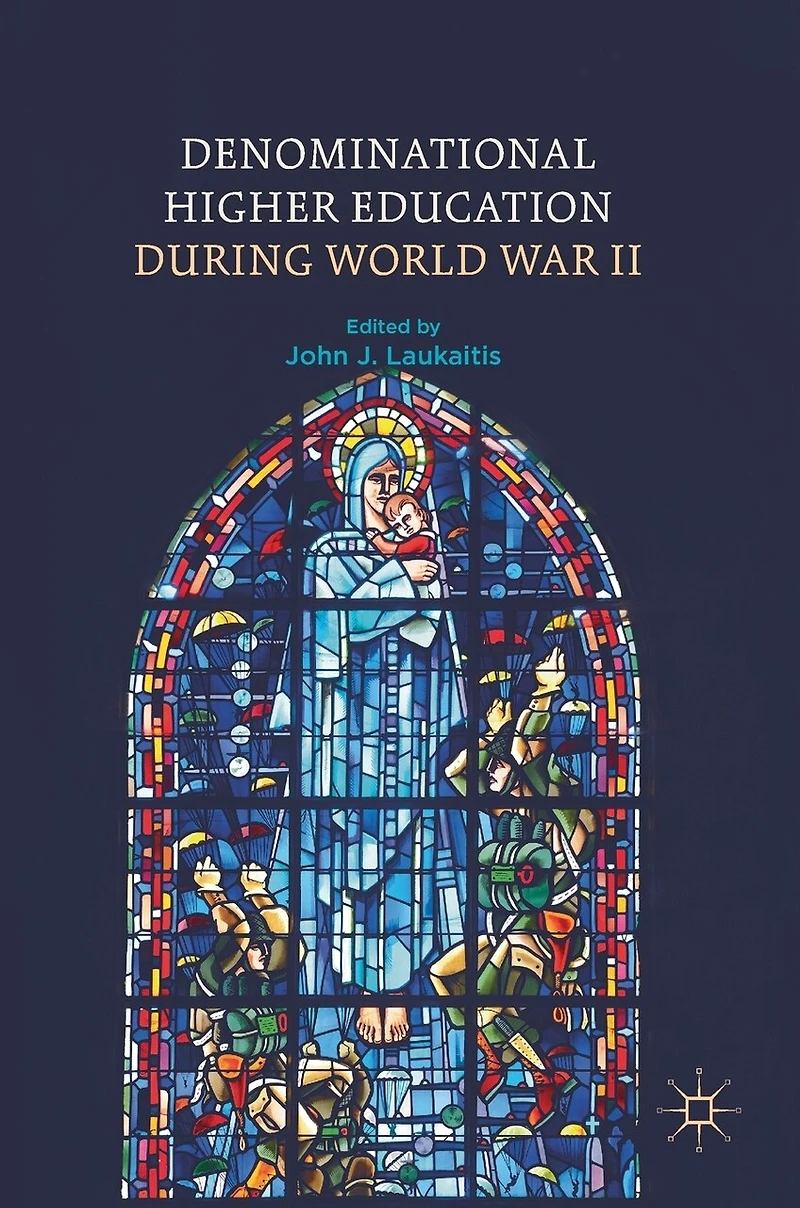
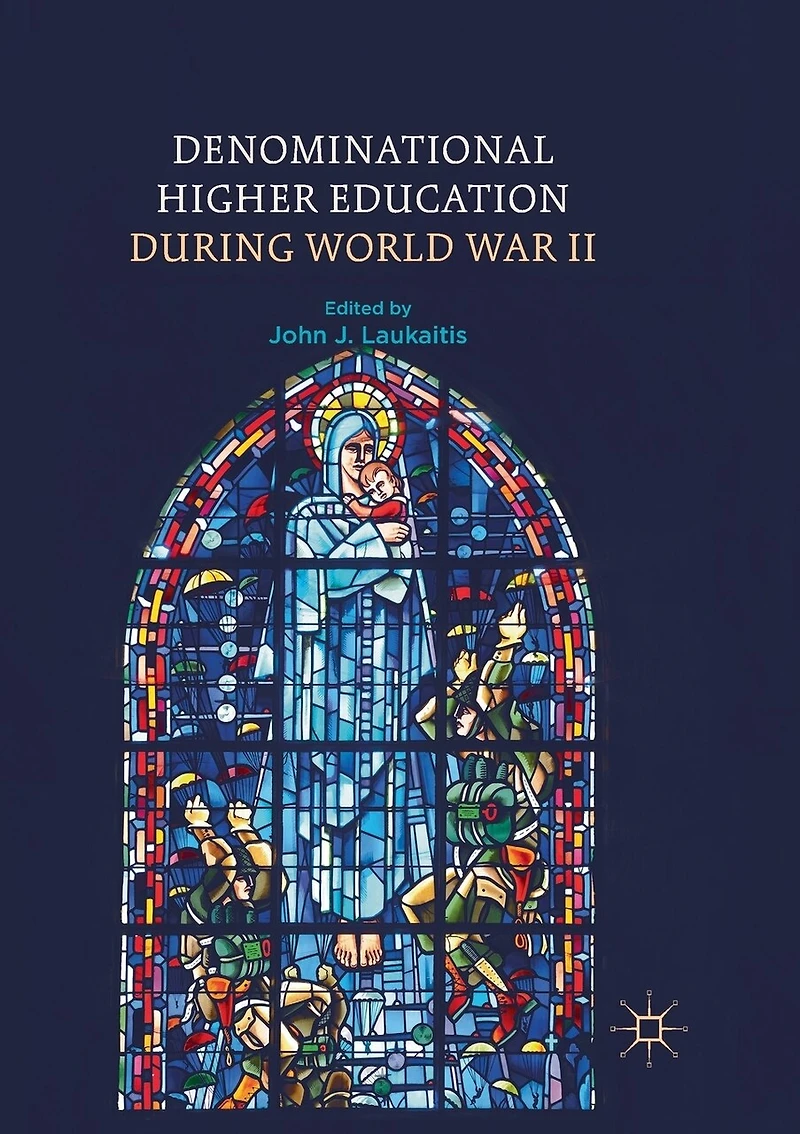
Denominational Higher Education during World War II in Grande Prairie, AB
Current price: $189.95
Coles
Denominational Higher Education during World War II in Grande Prairie, AB
Current price: $189.95
Loading Inventory...
Size: Hardcover
*Product information and pricing may vary - to confirm current pricing, availability, shipping, and return information please contact Coles. In the event of a pricing discrepancy, the retailer's price will apply.
This book examines how World War II affected denominational colleges who faced a national crisis in relationship to their Christian tenets and particular religious communities and student bodies. With denominational positions ranging from justifying the war in light of the existential threat that the United States faced to maintaining long-held beliefs of nonviolence, the multitude of institutional positions taken during World War II speaks to the scope of religious diversity within Christian higher education and the central issues of faith and service to God and country. Ultimately, Laukitis provides a particular lens to analyze the history of higher education during World War II through an examination of denominational institutions. The relationship between higher education, faith, and war offers depth to understanding the role of denominational colleges in articulating theological interpretations of war and their sense of responsibility as Christian liberal arts institutions in theUnited States.
This book examines how World War II affected denominational colleges who faced a national crisis in relationship to their Christian tenets and particular religious communities and student bodies. With denominational positions ranging from justifying the war in light of the existential threat that the United States faced to maintaining long-held beliefs of nonviolence, the multitude of institutional positions taken during World War II speaks to the scope of religious diversity within Christian higher education and the central issues of faith and service to God and country. Ultimately, Laukitis provides a particular lens to analyze the history of higher education during World War II through an examination of denominational institutions. The relationship between higher education, faith, and war offers depth to understanding the role of denominational colleges in articulating theological interpretations of war and their sense of responsibility as Christian liberal arts institutions in theUnited States.
You May Also Like










Find at Prairie Mall in Grande Prairie, AB
Visit at Prairie Mall in Grande Prairie, AB