


Gifting Made Simple
Give the Gift of ChoiceClick below to purchase a Prairie Mall eGift Card that can be used at participating retailers at Prairie Mall.Buy Gift CardHome
Democratic Practice: Origins of the Iberian Divide Political Inclusion
Coles
Loading Inventory...
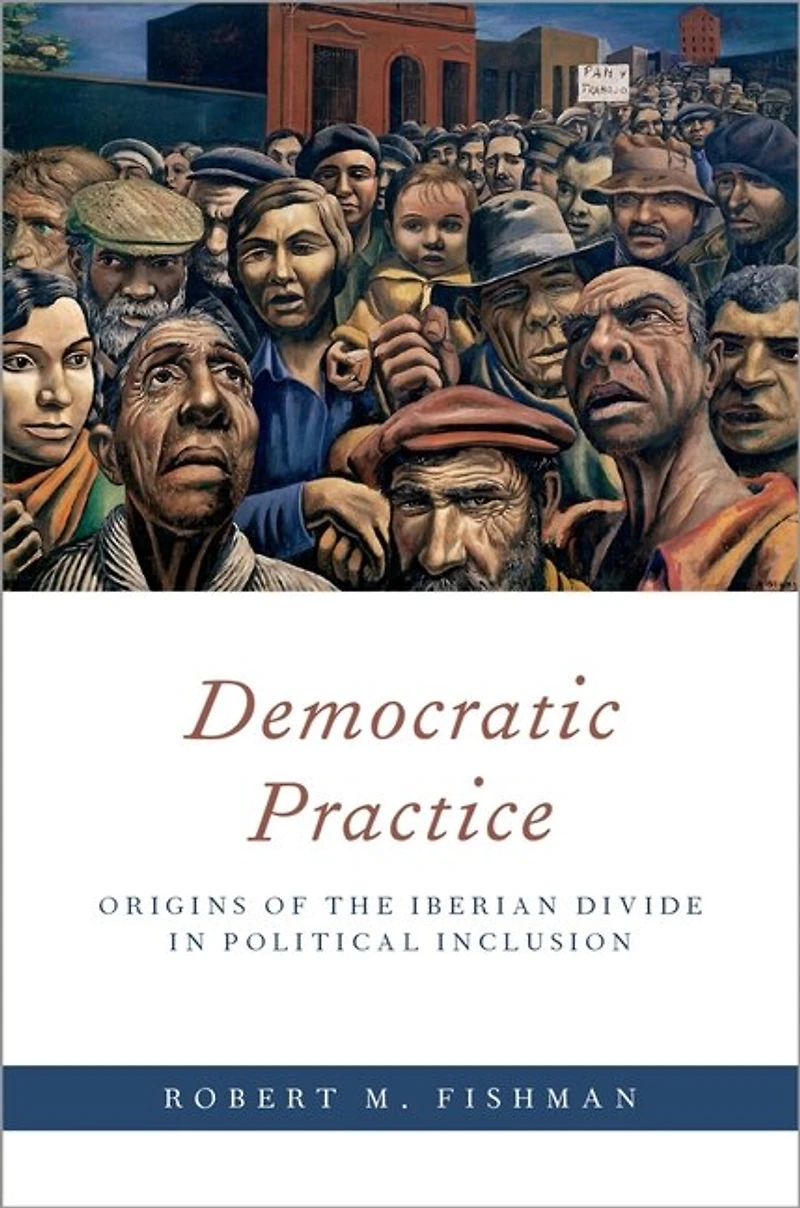
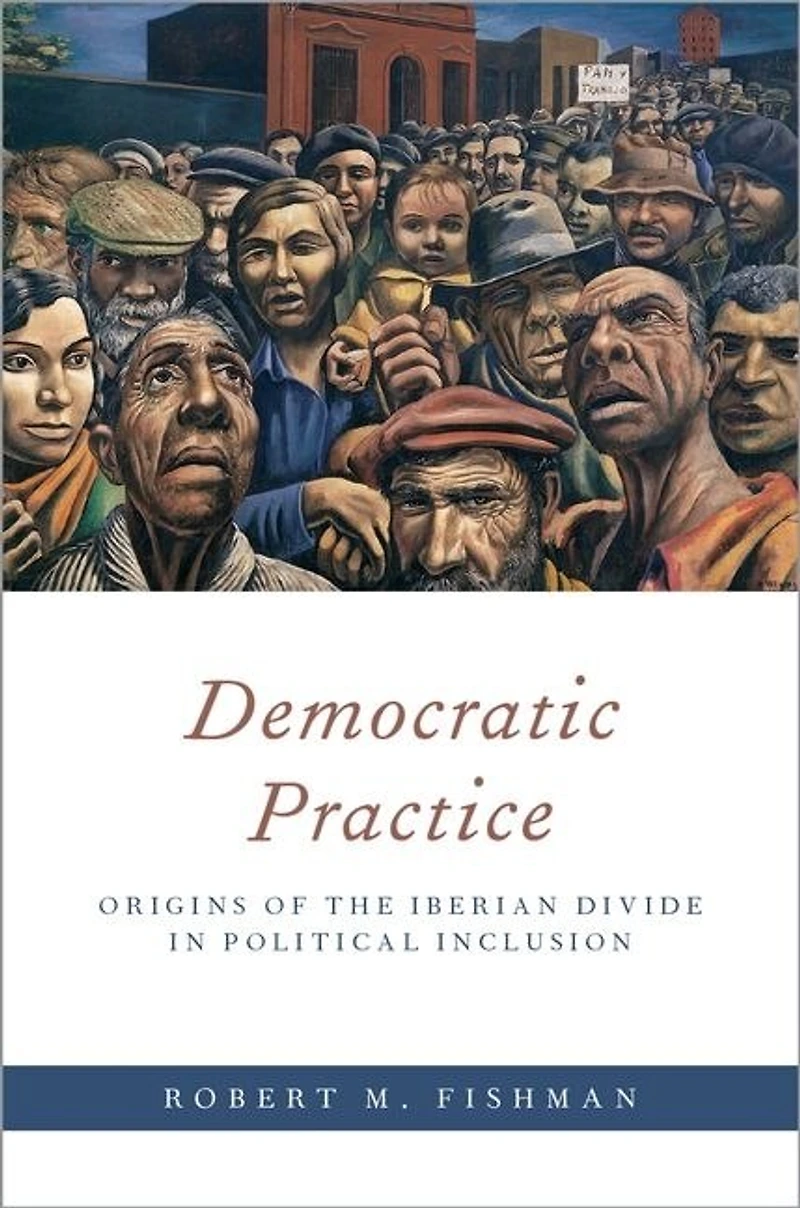
Democratic Practice: Origins of the Iberian Divide Political Inclusion in Grande Prairie, AB
Current price: $108.95
Coles
Democratic Practice: Origins of the Iberian Divide Political Inclusion in Grande Prairie, AB
Current price: $108.95
Loading Inventory...
Size: Hardcover
*Product information and pricing may vary - to confirm current pricing, availability, shipping, and return information please contact Coles. In the event of a pricing discrepancy, the retailer's price will apply.
At a time of growing concern over the fate of contemporary democracy this book shows how vast differences between countries in forms of political conduct, and taken for granted assumptions, determine what democracies actually accomplish. In Democratic Practice, Robert M. Fishman elucidates why some democracies include the economically underprivileged, and cultural others within the circles of political relevance that set policies and the political agenda, whereas others exclude them. On the basis of in-depth research on Portugal and Spain, Fishman develops a theoretically innovative explanation for the breadth of democratic inclusion and draws out large implications for democracies everywhere.
Democratic Practice examines the record of two countries that began the worldwide turn to democracy in the 1970s, showing how and why basic assumptions about what democracy is, and how political actors should treat one another, diverged. The book offers detailed empirical evidence on how an inclusive approach to democratic politics provides major benefits not only for the poor and excluded but also for others, drawing large lessons for contemporary democracies.
At a time of growing concern over the fate of contemporary democracy this book shows how vast differences between countries in forms of political conduct, and taken for granted assumptions, determine what democracies actually accomplish. In Democratic Practice, Robert M. Fishman elucidates why some democracies include the economically underprivileged, and cultural others within the circles of political relevance that set policies and the political agenda, whereas others exclude them. On the basis of in-depth research on Portugal and Spain, Fishman develops a theoretically innovative explanation for the breadth of democratic inclusion and draws out large implications for democracies everywhere.
Democratic Practice examines the record of two countries that began the worldwide turn to democracy in the 1970s, showing how and why basic assumptions about what democracy is, and how political actors should treat one another, diverged. The book offers detailed empirical evidence on how an inclusive approach to democratic politics provides major benefits not only for the poor and excluded but also for others, drawing large lessons for contemporary democracies.
You May Also Like











Find at Prairie Mall in Grande Prairie, AB
Visit at Prairie Mall in Grande Prairie, AB