


Gifting Made Simple
Give the Gift of ChoiceClick below to purchase a Prairie Mall eGift Card that can be used at participating retailers at Prairie Mall.Buy Gift CardHome
Democratic Partisanship: Party Activism an Age of Crises
Coles
Loading Inventory...
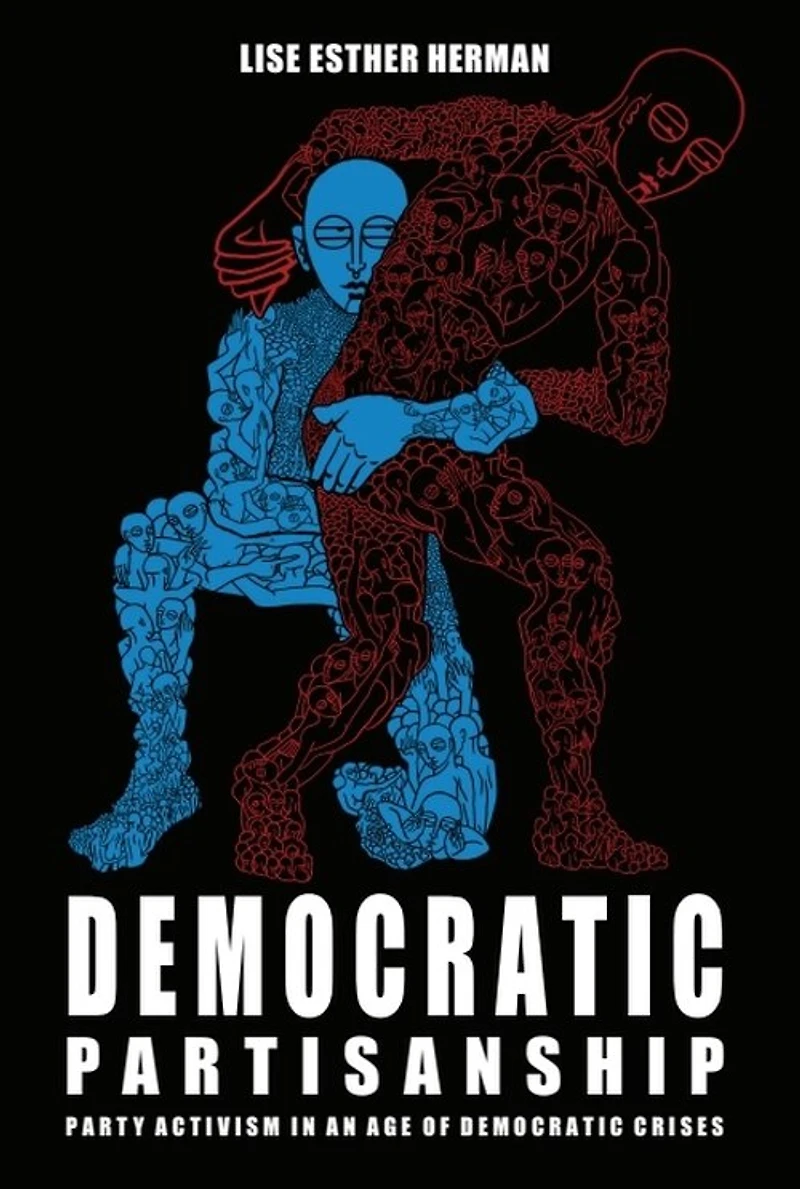
Democratic Partisanship: Party Activism an Age of Crises in Grande Prairie, AB
Current price: $151.83
Coles
Democratic Partisanship: Party Activism an Age of Crises in Grande Prairie, AB
Current price: $151.83
Loading Inventory...
Size: Hardcover
*Product information and pricing may vary - to confirm current pricing, availability, shipping, and return information please contact Coles. In the event of a pricing discrepancy, the retailer's price will apply.
Political parties are caught in the crossfire of contemporary criticism. Some are accused of being excessively technocratic and removed from citizens’ concerns, while others are attacked for their populist discourse and for pandering to the base instincts of constituents. But what ideal of partisanship do we have in mind when we blame parties for the ills of democracy? And how do real-world parties actually compare to this normative ideal? Democratic Partisanship bridges political theory and empirical study to answer these questions. It explores and compares how key democratic norms hailed by political theorists, such as good justification and respect for opponents, resonate with right-wing and left-wing party members in Hungary and France. Focusing on the partisan’s perspective, the book explores how and why some party organisations reconcile the most contradictory democratic imperatives while others fail to uphold basic principles. Far from writing-off parties as intrinsically suspect, Democratic Partisanship makes an incisive case for a new partisan ethic in an age of democratic crises.
Political parties are caught in the crossfire of contemporary criticism. Some are accused of being excessively technocratic and removed from citizens’ concerns, while others are attacked for their populist discourse and for pandering to the base instincts of constituents. But what ideal of partisanship do we have in mind when we blame parties for the ills of democracy? And how do real-world parties actually compare to this normative ideal? Democratic Partisanship bridges political theory and empirical study to answer these questions. It explores and compares how key democratic norms hailed by political theorists, such as good justification and respect for opponents, resonate with right-wing and left-wing party members in Hungary and France. Focusing on the partisan’s perspective, the book explores how and why some party organisations reconcile the most contradictory democratic imperatives while others fail to uphold basic principles. Far from writing-off parties as intrinsically suspect, Democratic Partisanship makes an incisive case for a new partisan ethic in an age of democratic crises.
You May Also Like
















Find at Prairie Mall in Grande Prairie, AB
Visit at Prairie Mall in Grande Prairie, AB