


Gifting Made Simple
Give the Gift of ChoiceClick below to purchase a Prairie Mall eGift Card that can be used at participating retailers at Prairie Mall.Buy Gift CardHome
Democracy and Truth: Is There a Conflict Between Political and Epistemic Virtues
Coles
Loading Inventory...
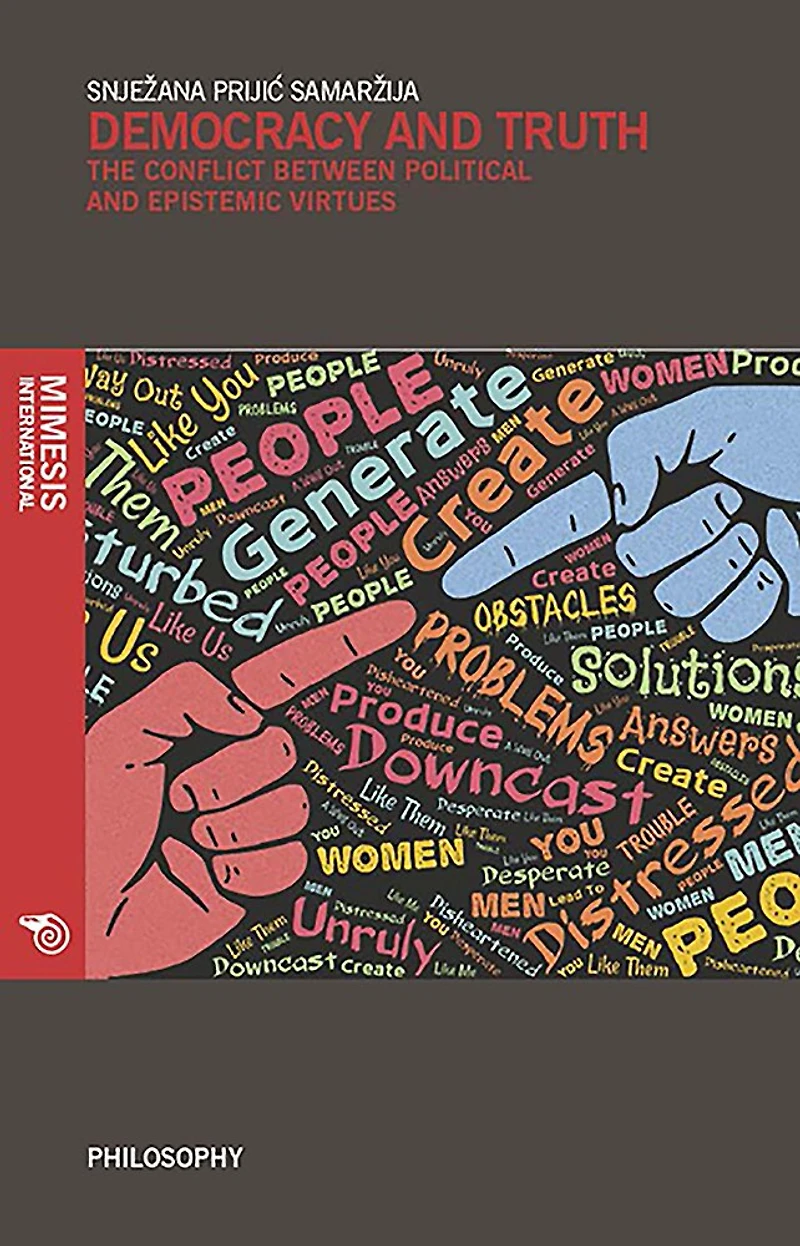
Democracy and Truth: Is There a Conflict Between Political and Epistemic Virtues in Grande Prairie, AB
Current price: $27.50
Coles
Democracy and Truth: Is There a Conflict Between Political and Epistemic Virtues in Grande Prairie, AB
Current price: $27.50
Loading Inventory...
Size: Paperback
*Product information and pricing may vary - to confirm current pricing, availability, shipping, and return information please contact Coles. In the event of a pricing discrepancy, the retailer's price will apply.
The book is concerned with the recent discussions in social epistemology about epistemic justification of democracy. While standard approaches to epistemic justification of democracy base their thinking on the assumption that democratic legitimacy must be grounded on the production of epistemically high-quality decisions (true, truth-sensitive, truth-conductive, correct, justified, rational, epistemically responsible and so on), this assumption is often challenged by those who do not hold that epistemic justification is either necessary or conducive to democratic legitimacy or, on the other hand, those who accept the necessity of the epistemic justification of democracy but deem that it cannot be reduced to the production of true or justified decisions. Such reactions are highly influenced by a stance regarding the status of experts within the democratic decision-making process. The book offers both a unique perspective on this debate and registers the challenge of a new discipline of applied or real word epistemology.
The book is concerned with the recent discussions in social epistemology about epistemic justification of democracy. While standard approaches to epistemic justification of democracy base their thinking on the assumption that democratic legitimacy must be grounded on the production of epistemically high-quality decisions (true, truth-sensitive, truth-conductive, correct, justified, rational, epistemically responsible and so on), this assumption is often challenged by those who do not hold that epistemic justification is either necessary or conducive to democratic legitimacy or, on the other hand, those who accept the necessity of the epistemic justification of democracy but deem that it cannot be reduced to the production of true or justified decisions. Such reactions are highly influenced by a stance regarding the status of experts within the democratic decision-making process. The book offers both a unique perspective on this debate and registers the challenge of a new discipline of applied or real word epistemology.
You May Also Like











Find at Prairie Mall in Grande Prairie, AB
Visit at Prairie Mall in Grande Prairie, AB