


Gifting Made Simple
Give the Gift of ChoiceClick below to purchase a Prairie Mall eGift Card that can be used at participating retailers at Prairie Mall.Buy Gift CardHome
Decolonising and Reframing Critical Social Work: Research Stories from Practice
Coles
Loading Inventory...
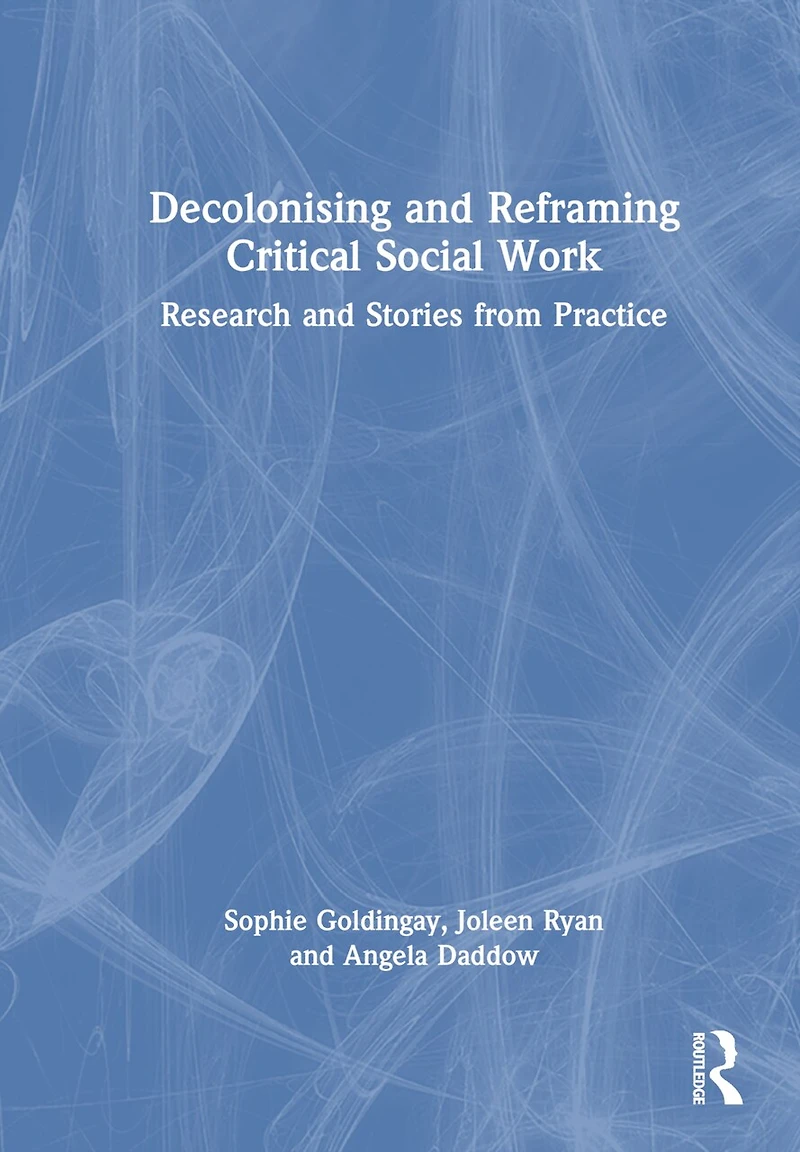

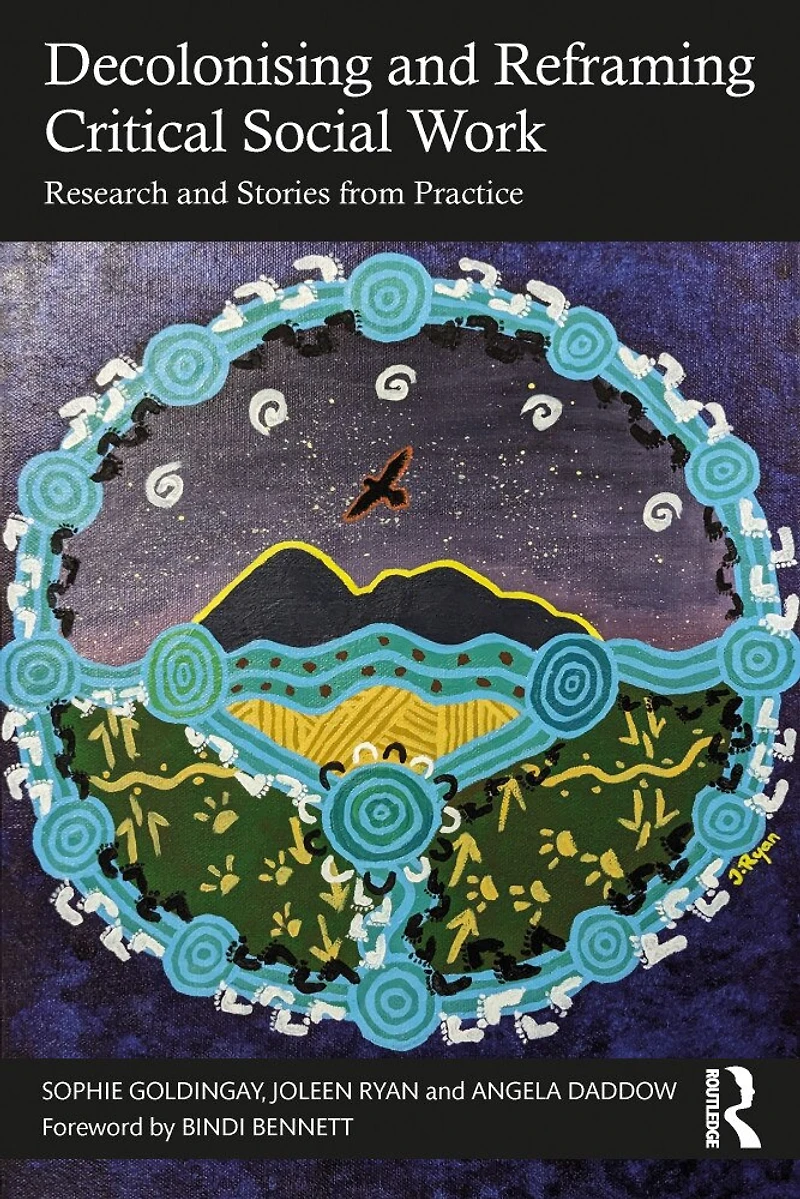
Decolonising and Reframing Critical Social Work: Research Stories from Practice in Grande Prairie, AB
Current price: $281.50
Coles
Decolonising and Reframing Critical Social Work: Research Stories from Practice in Grande Prairie, AB
Current price: $281.50
Loading Inventory...
Size: Hardcover
*Product information and pricing may vary - to confirm current pricing, availability, shipping, and return information please contact Coles. In the event of a pricing discrepancy, the retailer's price will apply.
This book problematises and then reshapes critical social work to bring a range of perspectives to what constitutes truly effective and ethical social work practice, moving beyond binary oppositions (where two states or concepts are defined as opposite to each other) to create new words and concepts to be inclusive of a range of identities, practice contexts, and groups or communities of service users. Currently, critical social work, derived from sociological critical theories proliferated in the 1960s, enjoys dominance as the theory that encompasses the ethical principles of social work in Australia. While on the surface critical social work appears to align with the Australian Association of Social Workers' (AASW) ethical principles of social justice, professional integrity, and respect for persons, practitioners, and students alike find enacting it can be problematic in complex practice situations. Reporting original research of cases from the field, the book focuses on the impact of intersectionality and shows new ways to address the nuance of othering and modern-day colonialism. It will be of interest to researchers, practitioners, and students who are keen to engage with the latest in the field of critical social work and consider implications of this for the development of their own identity.
This book problematises and then reshapes critical social work to bring a range of perspectives to what constitutes truly effective and ethical social work practice, moving beyond binary oppositions (where two states or concepts are defined as opposite to each other) to create new words and concepts to be inclusive of a range of identities, practice contexts, and groups or communities of service users. Currently, critical social work, derived from sociological critical theories proliferated in the 1960s, enjoys dominance as the theory that encompasses the ethical principles of social work in Australia. While on the surface critical social work appears to align with the Australian Association of Social Workers' (AASW) ethical principles of social justice, professional integrity, and respect for persons, practitioners, and students alike find enacting it can be problematic in complex practice situations. Reporting original research of cases from the field, the book focuses on the impact of intersectionality and shows new ways to address the nuance of othering and modern-day colonialism. It will be of interest to researchers, practitioners, and students who are keen to engage with the latest in the field of critical social work and consider implications of this for the development of their own identity.
You May Also Like









Find at Prairie Mall in Grande Prairie, AB
Visit at Prairie Mall in Grande Prairie, AB