


Gifting Made Simple
Give the Gift of ChoiceClick below to purchase a Prairie Mall eGift Card that can be used at participating retailers at Prairie Mall.Buy Gift CardHome
Decentring Security: Policing Communities At Home And Abroad
Coles
Loading Inventory...

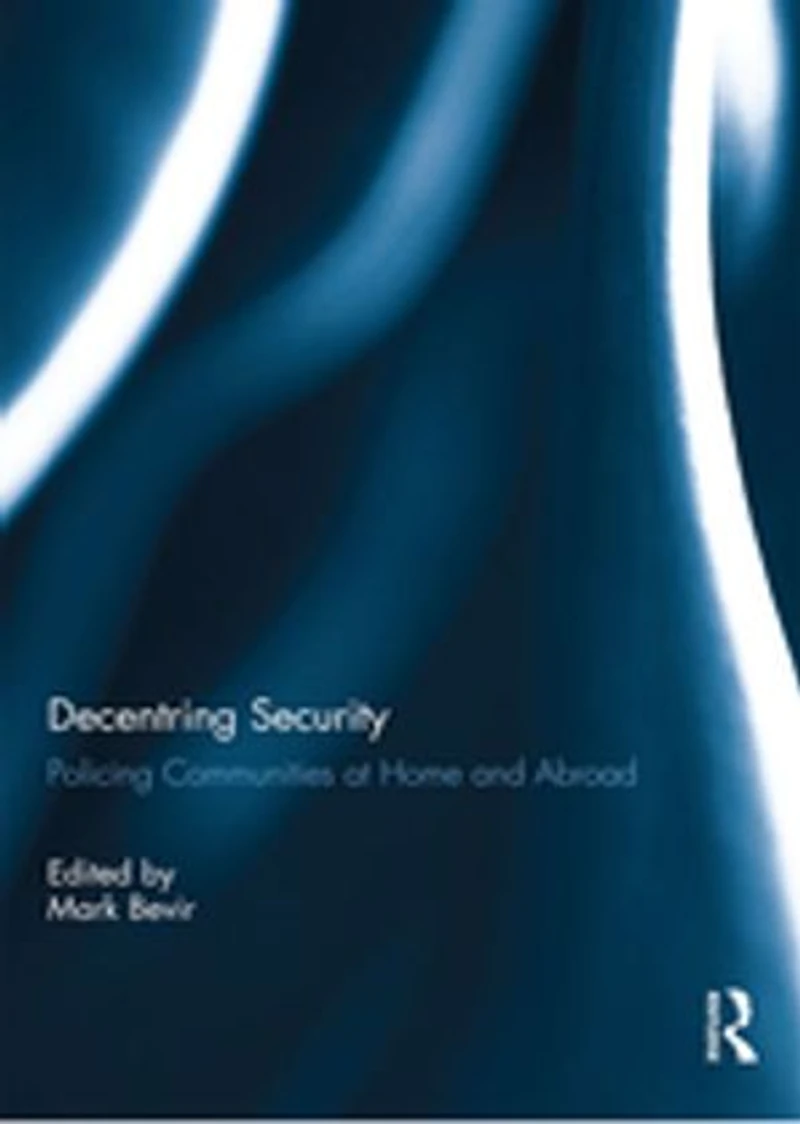
Decentring Security: Policing Communities At Home And Abroad in Grande Prairie, AB
Current price: $296.50
Coles
Decentring Security: Policing Communities At Home And Abroad in Grande Prairie, AB
Current price: $296.50
Loading Inventory...
Size: Hardcover
*Product information and pricing may vary - to confirm current pricing, availability, shipping, and return information please contact Coles. In the event of a pricing discrepancy, the retailer's price will apply.
Contemporary security governance often relies on markets and networks to link public agencies to non-governmental actors. This book explores the rise, nature, and future of these new forms of security governance across various domestic, transnational, and international settings. The chapters reveal similarities and differences in the way security governance operates in various policy settings. The contributors argue that the similarities generally arise because policy elites, at various levels of governance, have come to believe that security depends on building resilience and communities through various joined-up arrangements, networks, and partnerships. Differences nonetheless persist because civil servants, street level bureaucrats, voluntary sector actors, and citizens all draw on diverse traditions to interpret, and at times resist, the joined-up security being promoted by these policy elites. This book therefore decentres security governance, showing how all kinds of local traditions influence the way it works in different settings. It pays particular attention to the meanings, cultures, and ideologies by which policy actors encounter, interpret, and evaluate security dilemmas. This book was originally published as a special issue in Global Crime .
Contemporary security governance often relies on markets and networks to link public agencies to non-governmental actors. This book explores the rise, nature, and future of these new forms of security governance across various domestic, transnational, and international settings. The chapters reveal similarities and differences in the way security governance operates in various policy settings. The contributors argue that the similarities generally arise because policy elites, at various levels of governance, have come to believe that security depends on building resilience and communities through various joined-up arrangements, networks, and partnerships. Differences nonetheless persist because civil servants, street level bureaucrats, voluntary sector actors, and citizens all draw on diverse traditions to interpret, and at times resist, the joined-up security being promoted by these policy elites. This book therefore decentres security governance, showing how all kinds of local traditions influence the way it works in different settings. It pays particular attention to the meanings, cultures, and ideologies by which policy actors encounter, interpret, and evaluate security dilemmas. This book was originally published as a special issue in Global Crime .
You May Also Like

















Find at Prairie Mall in Grande Prairie, AB
Visit at Prairie Mall in Grande Prairie, AB