


Gifting Made Simple
Give the Gift of ChoiceClick below to purchase a Prairie Mall eGift Card that can be used at participating retailers at Prairie Mall.Buy Gift CardHome
Death of the Father: An Anthropology End Political Authority
Coles
Loading Inventory...
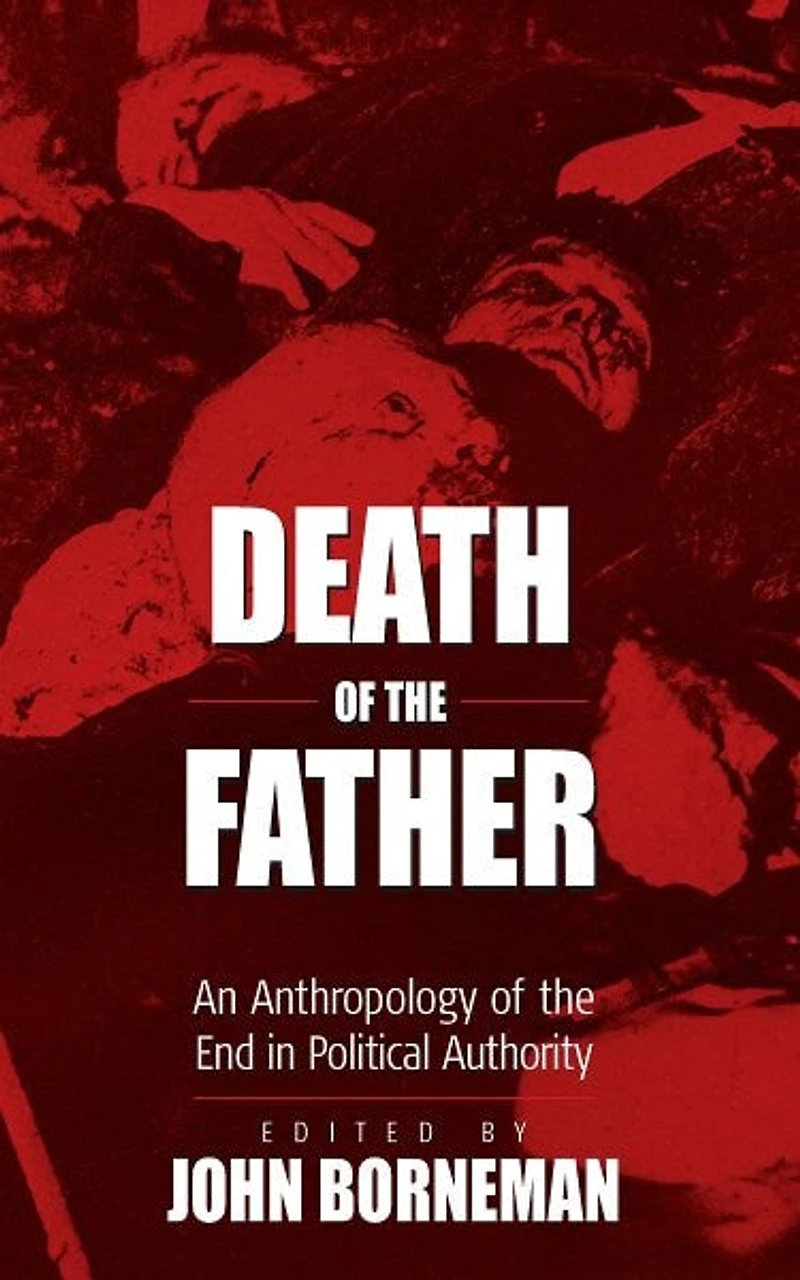
Death of the Father: An Anthropology End Political Authority in Grande Prairie, AB
Current price: $27.09
Original price: $33.86
Coles
Death of the Father: An Anthropology End Political Authority in Grande Prairie, AB
Current price: $27.09
Original price: $33.86
Loading Inventory...
Size: Kobo eBook
*Product information and pricing may vary - to confirm current pricing, availability, shipping, and return information please contact Coles. In the event of a pricing discrepancy, the retailer's price will apply.
The death of authority figures like fathers or leaders can be experienced as either liberation or loss. In the twentieth century, the authority of the father and of the leader became closely intertwined; constraints and affective attachments intensified in ways that had major effects on the organization of regimes of authority. This comparative volume examines the resulting crisis in symbolic identification, the national traumas that had crystallized around four state political forms: Fascist Italy, Nazi Germany, Imperial Japan, and East European Communism. The defeat of Imperial and Fascist regimes in 1945 and the implosion of Communist regimes in 1989 were critical moments of rupture, of "death of the father." What was the experience of their ends, and what is the reconstruction of those ends in memory?
This volume represents is the beginning of a comparative social anthropology of caesurae: the end of traumatic political regimes, of their symbolic forms, political consequences, and probable futures.
The death of authority figures like fathers or leaders can be experienced as either liberation or loss. In the twentieth century, the authority of the father and of the leader became closely intertwined; constraints and affective attachments intensified in ways that had major effects on the organization of regimes of authority. This comparative volume examines the resulting crisis in symbolic identification, the national traumas that had crystallized around four state political forms: Fascist Italy, Nazi Germany, Imperial Japan, and East European Communism. The defeat of Imperial and Fascist regimes in 1945 and the implosion of Communist regimes in 1989 were critical moments of rupture, of "death of the father." What was the experience of their ends, and what is the reconstruction of those ends in memory?
This volume represents is the beginning of a comparative social anthropology of caesurae: the end of traumatic political regimes, of their symbolic forms, political consequences, and probable futures.
You May Also Like











Find at Prairie Mall in Grande Prairie, AB
Visit at Prairie Mall in Grande Prairie, AB