


Gifting Made Simple
Give the Gift of ChoiceClick below to purchase a Prairie Mall eGift Card that can be used at participating retailers at Prairie Mall.Buy Gift CardHome
Dealing with Dictators: The United States, Hungary, and East Central Europe, 1942-1989
Coles
Loading Inventory...
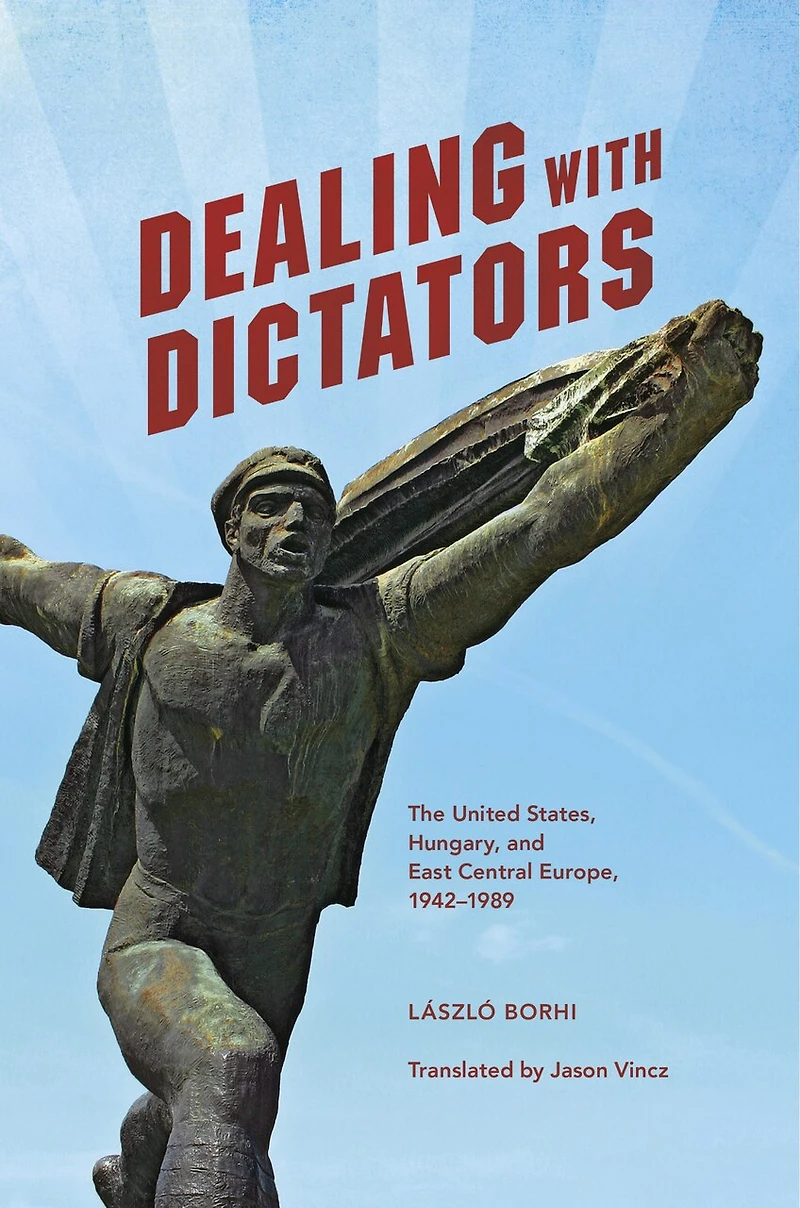
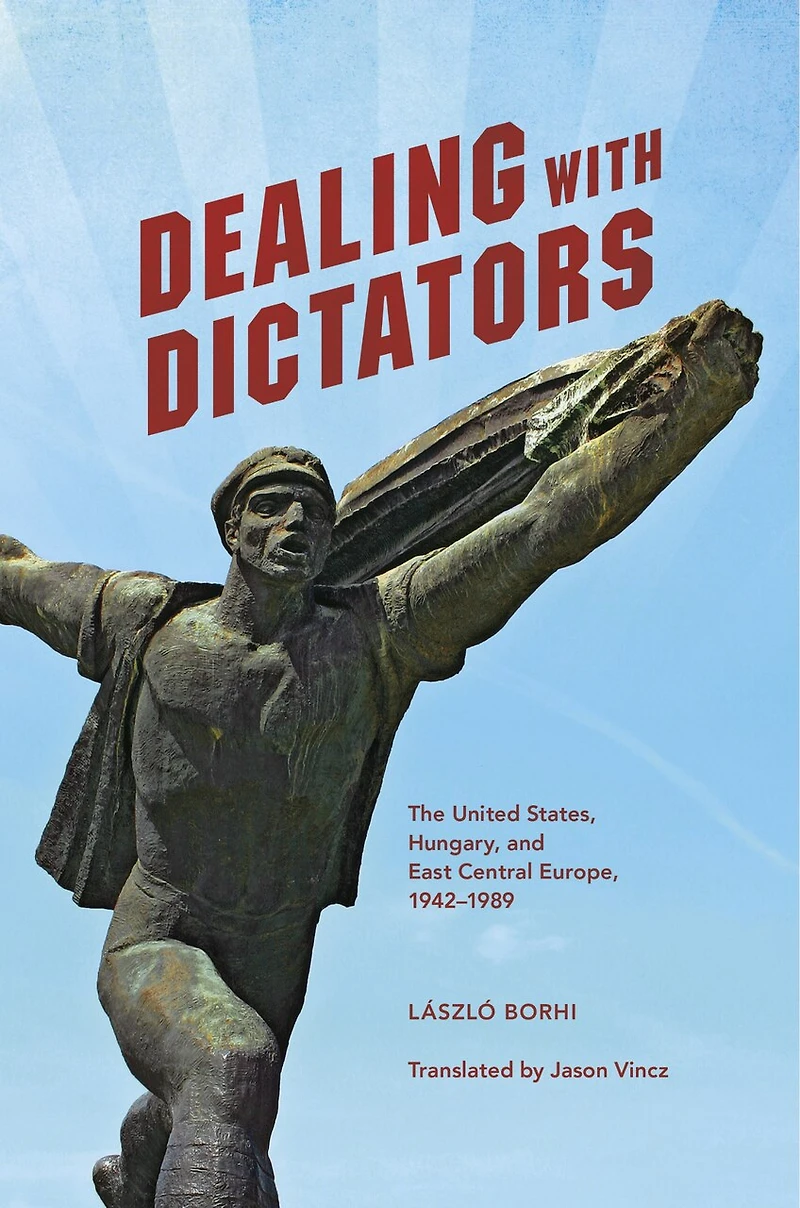
Dealing with Dictators: The United States, Hungary, and East Central Europe, 1942-1989 in Grande Prairie, AB
Current price: $88.95
Coles
Dealing with Dictators: The United States, Hungary, and East Central Europe, 1942-1989 in Grande Prairie, AB
Current price: $88.95
Loading Inventory...
Size: Hardcover
*Product information and pricing may vary - to confirm current pricing, availability, shipping, and return information please contact Coles. In the event of a pricing discrepancy, the retailer's price will apply.
Dealing with Dictators explores America's Cold War efforts to make the dictatorships of Eastern Europe less tyrannical and more responsive to the country's international interests. During this period, US policies were a mix of economic and psychological warfare, subversion, cultural and economic penetration, and coercive diplomacy. Through careful examination of American and Hungarian sources, Lszl Borhi assesses why some policies toward Hungary achieved their goals while others were not successful. When George H. W. Bush exclaimed to Mikhail Gorbachev on the day the Soviet Union collapsed, "Together we liberated Eastern Europe and unified Germany," he was hardly doing justice to the complicated history of the era. The story of the process by which the transition from Soviet satellite to independent state occurred in Hungary sheds light on the dynamics of systemic change in international politics at the end of the Cold War.
Dealing with Dictators explores America's Cold War efforts to make the dictatorships of Eastern Europe less tyrannical and more responsive to the country's international interests. During this period, US policies were a mix of economic and psychological warfare, subversion, cultural and economic penetration, and coercive diplomacy. Through careful examination of American and Hungarian sources, Lszl Borhi assesses why some policies toward Hungary achieved their goals while others were not successful. When George H. W. Bush exclaimed to Mikhail Gorbachev on the day the Soviet Union collapsed, "Together we liberated Eastern Europe and unified Germany," he was hardly doing justice to the complicated history of the era. The story of the process by which the transition from Soviet satellite to independent state occurred in Hungary sheds light on the dynamics of systemic change in international politics at the end of the Cold War.
You May Also Like













Find at Prairie Mall in Grande Prairie, AB
Visit at Prairie Mall in Grande Prairie, AB