


Gifting Made Simple
Give the Gift of ChoiceClick below to purchase a Prairie Mall eGift Card that can be used at participating retailers at Prairie Mall.Buy Gift CardHome
Deadlocks Multilateral Negotiations: Causes and Solutions
Coles
Loading Inventory...
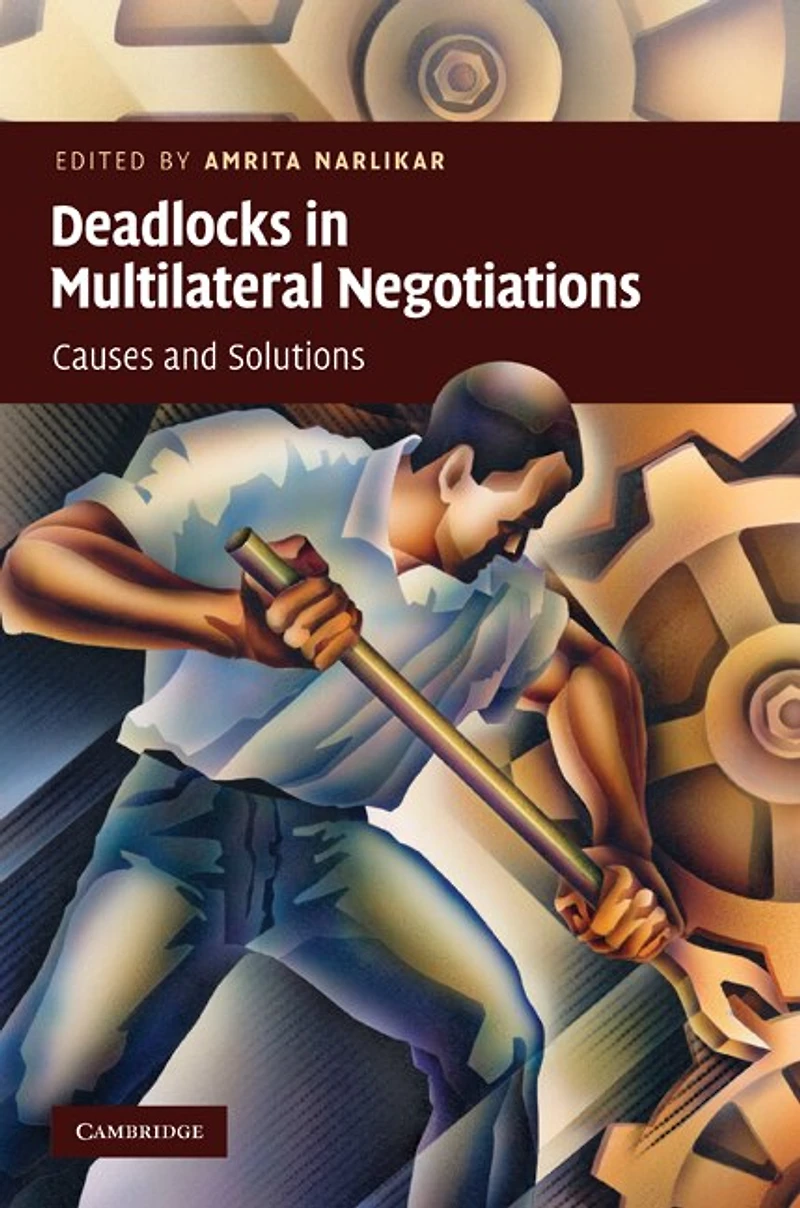
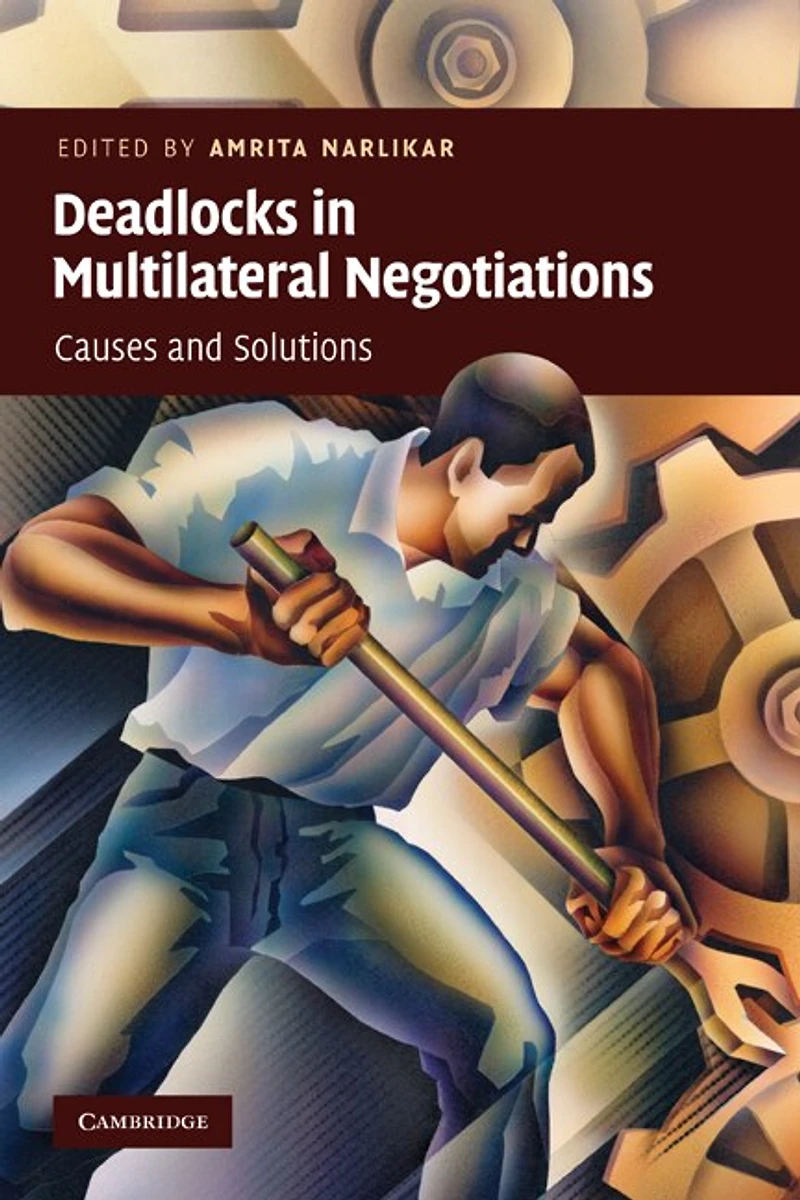
Deadlocks Multilateral Negotiations: Causes and Solutions in Grande Prairie, AB
Current price: $158.95
Coles
Deadlocks Multilateral Negotiations: Causes and Solutions in Grande Prairie, AB
Current price: $158.95
Loading Inventory...
Size: Hardcover
*Product information and pricing may vary - to confirm current pricing, availability, shipping, and return information please contact Coles. In the event of a pricing discrepancy, the retailer's price will apply.
Deadlocks are a feature of everyday life, as well as high politics. This volume focuses on the concept, causes, and consequences of deadlocks in multilateral settings, and analyses the types of strategies that could be used to break them. It commences with a definition of deadlock, hypothesizes about its occurrence, and proposes solutions. Each chapter then makes an original contribution to the issue of deadlock – theoretical, methodological, or empirical – and further tests the original concepts and hypotheses, either theoretically or through case-study analysis, developing or altering them accordingly. This is a unique volume which provides an in-depth examination of the problem of deadlock and a more thorough understanding of specific negotiation problems than has ever been done before. It will be directly relevant to students, researchers, teachers, and scholars of negotiation and will also be of interest to practitioners involved in negotiation and diplomacy.
Deadlocks are a feature of everyday life, as well as high politics. This volume focuses on the concept, causes, and consequences of deadlocks in multilateral settings, and analyses the types of strategies that could be used to break them. It commences with a definition of deadlock, hypothesizes about its occurrence, and proposes solutions. Each chapter then makes an original contribution to the issue of deadlock – theoretical, methodological, or empirical – and further tests the original concepts and hypotheses, either theoretically or through case-study analysis, developing or altering them accordingly. This is a unique volume which provides an in-depth examination of the problem of deadlock and a more thorough understanding of specific negotiation problems than has ever been done before. It will be directly relevant to students, researchers, teachers, and scholars of negotiation and will also be of interest to practitioners involved in negotiation and diplomacy.
You May Also Like












Find at Prairie Mall in Grande Prairie, AB
Visit at Prairie Mall in Grande Prairie, AB