


Gifting Made Simple
Give the Gift of ChoiceClick below to purchase a Prairie Mall eGift Card that can be used at participating retailers at Prairie Mall.Buy Gift CardHome
Dante's Philosophical Life: Politics and Human Wisdom "Purgatorio"
Coles
Loading Inventory...
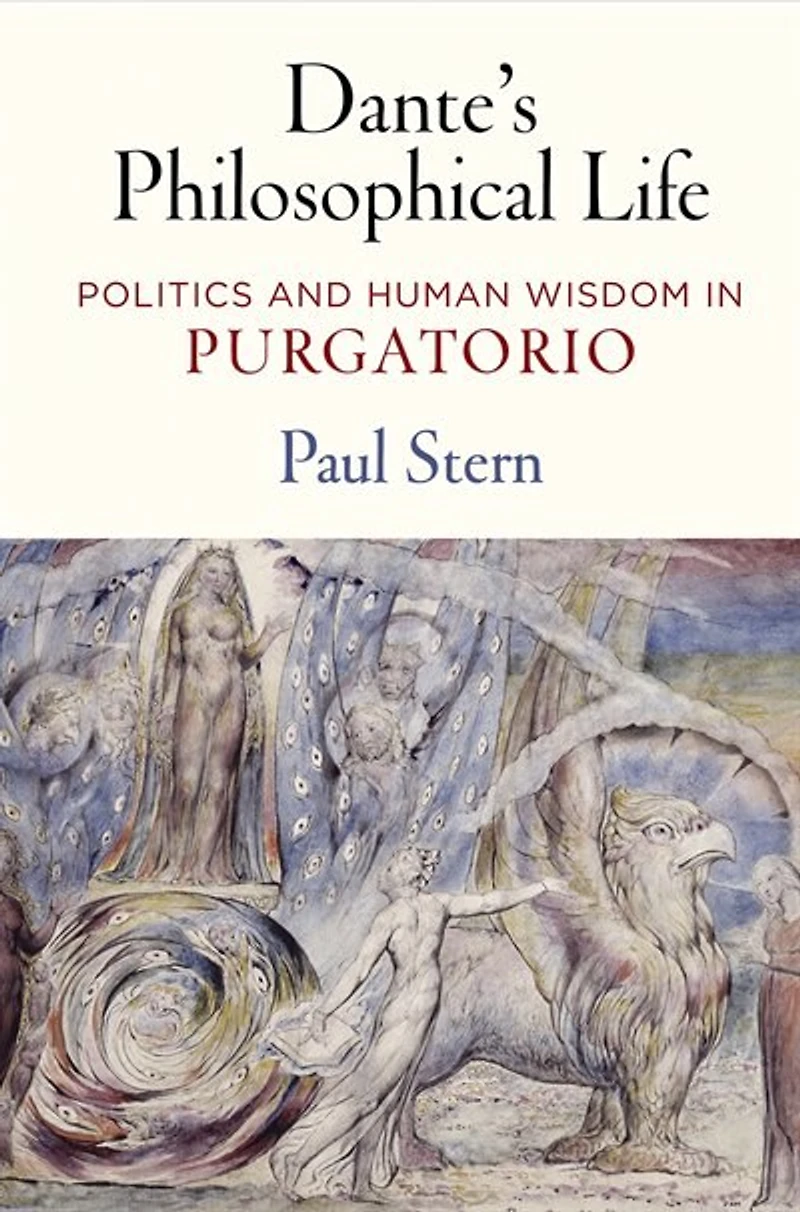
Dante's Philosophical Life: Politics and Human Wisdom "Purgatorio" in Grande Prairie, AB
Current price: $97.99
Coles
Dante's Philosophical Life: Politics and Human Wisdom "Purgatorio" in Grande Prairie, AB
Current price: $97.99
Loading Inventory...
Size: Hardcover
*Product information and pricing may vary - to confirm current pricing, availability, shipping, and return information please contact Coles. In the event of a pricing discrepancy, the retailer's price will apply.
When political theorists teach the history of political philosophy, they typically skip from the ancient Greeks and Cicero to Augustine in the fifth century and Thomas Aquinas in the thirteenth, and then on to the origins of modernity with Machiavelli and beyond. Paul Stern aims to change this settled narrative and makes a powerful case for treating Dante Alighieri, arguably the greatest poet of medieval Christendom, as a political philosopher of the first rank.
In Dante's Philosophical Life , Stern argues that Purgatorio's depiction of the ascent to Earthly Paradise, that is, the summit of Mount Purgatory, was intended to give instruction on how to live the philosophic life, understood in its classical form as "love of wisdom." As an object of love, however, wisdom must be sought by the human soul, rather than possessed. But before the search can be undertaken, the soul needs to consider from where it begins: its nature and its good. In Stern's interpretation of Purgatorio , Dante's intense concern for political life follows from this need, for it is law that supplies the notions of good that shape the soul's understanding and it is law, especially its limits, that provides the most evident display of the soul's enduring hopes.
According to Stern, Dante places inquiry regarding human nature and its good at the heart of philosophic investigation, thereby rehabilitating the highest form of reasoned judgment or prudence. Philosophy thus understood is neither a body of doctrines easily situated in a Christian framework nor a set of intellectual tools best used for predetermined theological ends, but a way of life. Stern's claim that Dante was arguing for prudence against dogmatisms of every kind addresses a question of contemporary concern: whether reason can guide a life.
When political theorists teach the history of political philosophy, they typically skip from the ancient Greeks and Cicero to Augustine in the fifth century and Thomas Aquinas in the thirteenth, and then on to the origins of modernity with Machiavelli and beyond. Paul Stern aims to change this settled narrative and makes a powerful case for treating Dante Alighieri, arguably the greatest poet of medieval Christendom, as a political philosopher of the first rank.
In Dante's Philosophical Life , Stern argues that Purgatorio's depiction of the ascent to Earthly Paradise, that is, the summit of Mount Purgatory, was intended to give instruction on how to live the philosophic life, understood in its classical form as "love of wisdom." As an object of love, however, wisdom must be sought by the human soul, rather than possessed. But before the search can be undertaken, the soul needs to consider from where it begins: its nature and its good. In Stern's interpretation of Purgatorio , Dante's intense concern for political life follows from this need, for it is law that supplies the notions of good that shape the soul's understanding and it is law, especially its limits, that provides the most evident display of the soul's enduring hopes.
According to Stern, Dante places inquiry regarding human nature and its good at the heart of philosophic investigation, thereby rehabilitating the highest form of reasoned judgment or prudence. Philosophy thus understood is neither a body of doctrines easily situated in a Christian framework nor a set of intellectual tools best used for predetermined theological ends, but a way of life. Stern's claim that Dante was arguing for prudence against dogmatisms of every kind addresses a question of contemporary concern: whether reason can guide a life.
You May Also Like










Find at Prairie Mall in Grande Prairie, AB
Visit at Prairie Mall in Grande Prairie, AB