


Gifting Made Simple
Give the Gift of ChoiceClick below to purchase a Prairie Mall eGift Card that can be used at participating retailers at Prairie Mall.Buy Gift CardHome
Dante's Christian Ethics: Purgatory and Its Moral Contexts
Coles
Loading Inventory...
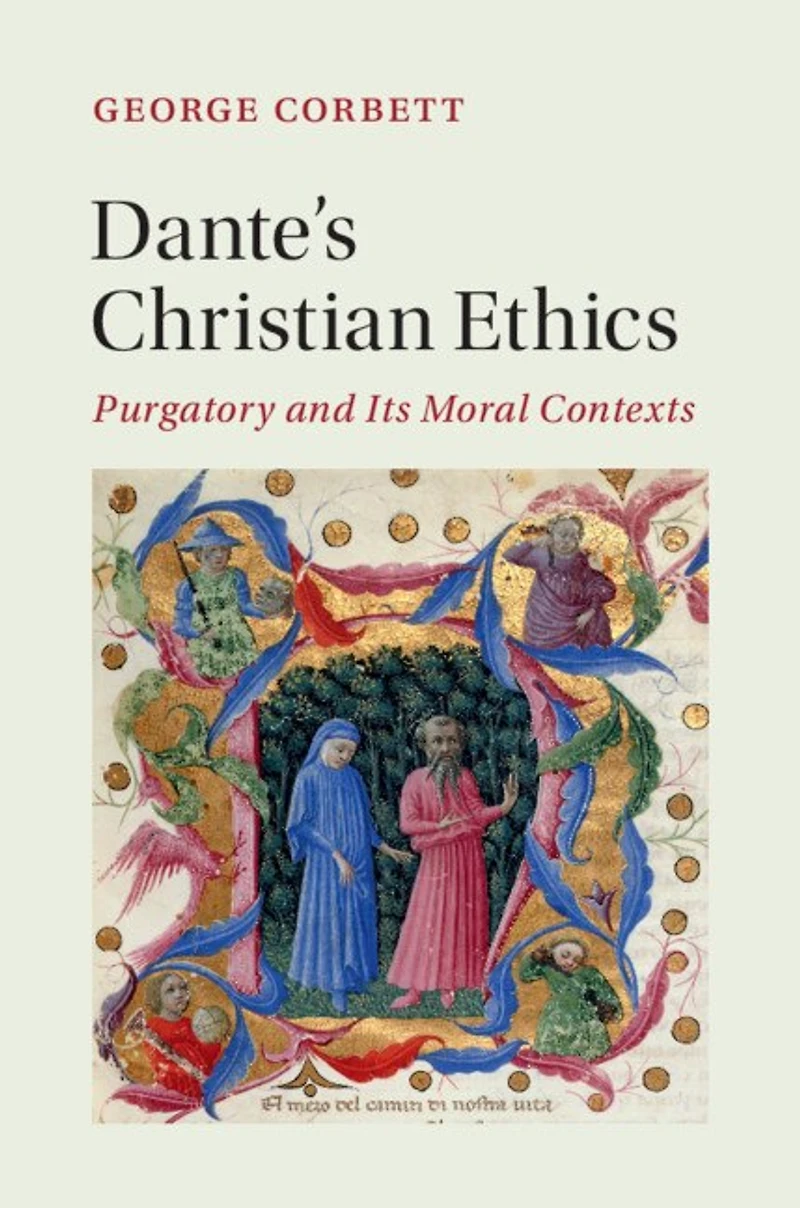
Dante's Christian Ethics: Purgatory and Its Moral Contexts in Grande Prairie, AB
Current price: $152.95
Coles
Dante's Christian Ethics: Purgatory and Its Moral Contexts in Grande Prairie, AB
Current price: $152.95
Loading Inventory...
Size: Hardcover
*Product information and pricing may vary - to confirm current pricing, availability, shipping, and return information please contact Coles. In the event of a pricing discrepancy, the retailer's price will apply.
This book is a major re-appraisal of the Commedia as originally envisaged by Dante: as a work of ethics. Privileging the ethical, Corbett increases our appreciation of Dante's eschatological innovations and literary genius. Drawing upon a wider range of moral contexts than in previous studies, this book presents an overarching account of the complex ordering and political programme of Dante's afterlife. Balancing close readings with a lucid overview of Dante's Commedia as an ethical and political manifesto, Corbett cogently approaches the poem through its moral structure. The book provides detailed interpretations of three particularly significant vices - pride, sloth, and avarice - and the three terraces of Purgatory devoted to them. While scholars register Dante's explicit confession of pride, the volume uncovers Dante's implicit confession of sloth and prodigality (the opposing subvice of avarice) through Statius, his moral cypher.
This book is a major re-appraisal of the Commedia as originally envisaged by Dante: as a work of ethics. Privileging the ethical, Corbett increases our appreciation of Dante's eschatological innovations and literary genius. Drawing upon a wider range of moral contexts than in previous studies, this book presents an overarching account of the complex ordering and political programme of Dante's afterlife. Balancing close readings with a lucid overview of Dante's Commedia as an ethical and political manifesto, Corbett cogently approaches the poem through its moral structure. The book provides detailed interpretations of three particularly significant vices - pride, sloth, and avarice - and the three terraces of Purgatory devoted to them. While scholars register Dante's explicit confession of pride, the volume uncovers Dante's implicit confession of sloth and prodigality (the opposing subvice of avarice) through Statius, his moral cypher.
You May Also Like








Find at Prairie Mall in Grande Prairie, AB
Visit at Prairie Mall in Grande Prairie, AB