


Gifting Made Simple
Give the Gift of ChoiceClick below to purchase a Prairie Mall eGift Card that can be used at participating retailers at Prairie Mall.Buy Gift CardHome
Dag Hammarskjold, the United Nations, and the Decolonisation of Africa
Coles
Loading Inventory...
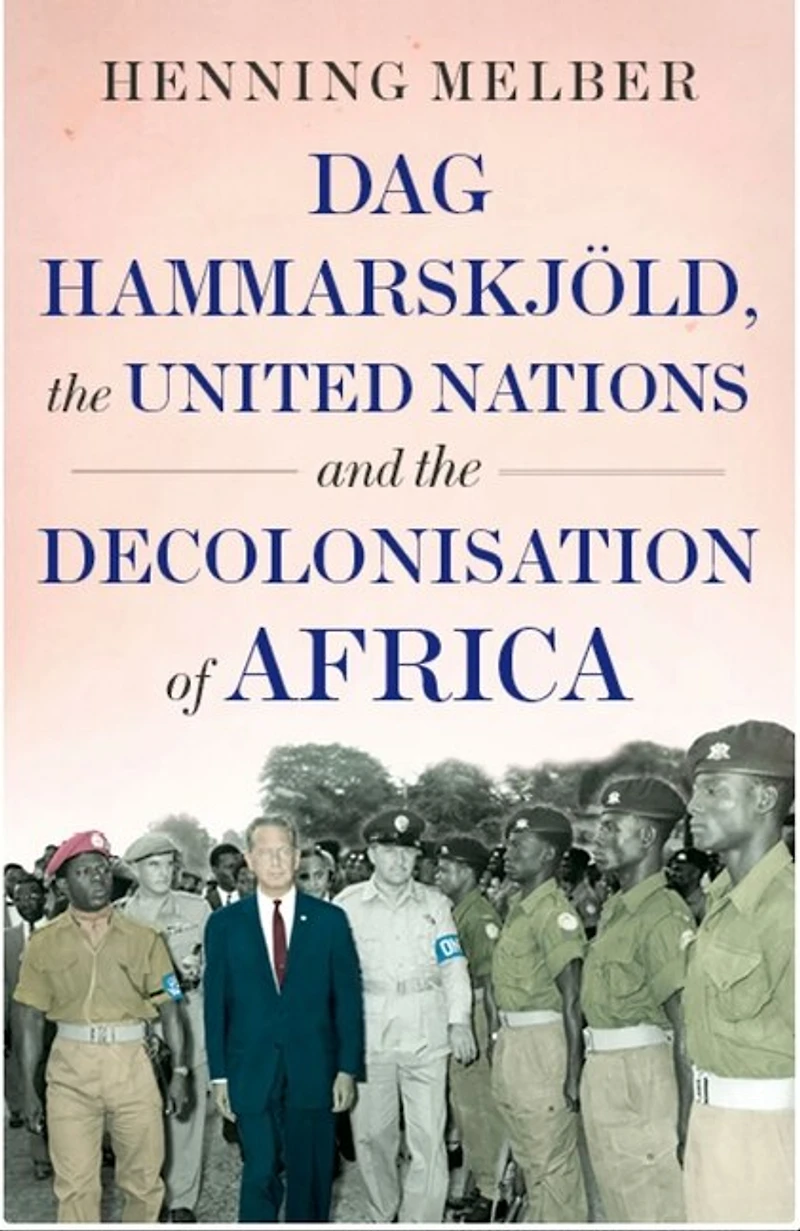
Dag Hammarskjold, the United Nations, and the Decolonisation of Africa in Grande Prairie, AB
Current price: $53.08
Coles
Dag Hammarskjold, the United Nations, and the Decolonisation of Africa in Grande Prairie, AB
Current price: $53.08
Loading Inventory...
Size: Hardcover
*Product information and pricing may vary - to confirm current pricing, availability, shipping, and return information please contact Coles. In the event of a pricing discrepancy, the retailer's price will apply.
In 1953 Dag Hammarskjöld became the second Secretary-General of the United Nations - the highest international civil servant. Before his mission was cut short by a 1961 plane crash in then Northern Rhodesia (Zambia), he used his office to act on the basis of anti-hegemonic values, including solidarity and recognition of otherness. The dubious circumstances of Hammarskjöld's death have received much attention, including a new official investigation, but have perhaps overshadowed his diplomatic legacy - one that has often been hotly contested.
Henning Melber explores the years of African decolonization during which Hammarskjöld was in office, investigating the scope and limits of his influence within the context of global governance. He paints a picture of a man with strong guiding principles, but limited room for maneuver, colliding with the essential interests of the big powers as the "wind of change" blew over the African continent. His book is a critical contribution to the study of international politics and the role of the UN in the Cold War. It is also a tribute to the achievements of a cosmopolitan Swede.
In 1953 Dag Hammarskjöld became the second Secretary-General of the United Nations - the highest international civil servant. Before his mission was cut short by a 1961 plane crash in then Northern Rhodesia (Zambia), he used his office to act on the basis of anti-hegemonic values, including solidarity and recognition of otherness. The dubious circumstances of Hammarskjöld's death have received much attention, including a new official investigation, but have perhaps overshadowed his diplomatic legacy - one that has often been hotly contested.
Henning Melber explores the years of African decolonization during which Hammarskjöld was in office, investigating the scope and limits of his influence within the context of global governance. He paints a picture of a man with strong guiding principles, but limited room for maneuver, colliding with the essential interests of the big powers as the "wind of change" blew over the African continent. His book is a critical contribution to the study of international politics and the role of the UN in the Cold War. It is also a tribute to the achievements of a cosmopolitan Swede.
You May Also Like










Find at Prairie Mall in Grande Prairie, AB
Visit at Prairie Mall in Grande Prairie, AB