


Gifting Made Simple
Give the Gift of ChoiceClick below to purchase a Prairie Mall eGift Card that can be used at participating retailers at Prairie Mall.Buy Gift CardHome
Cyropaedia: The education of Cyrus
Coles
Loading Inventory...
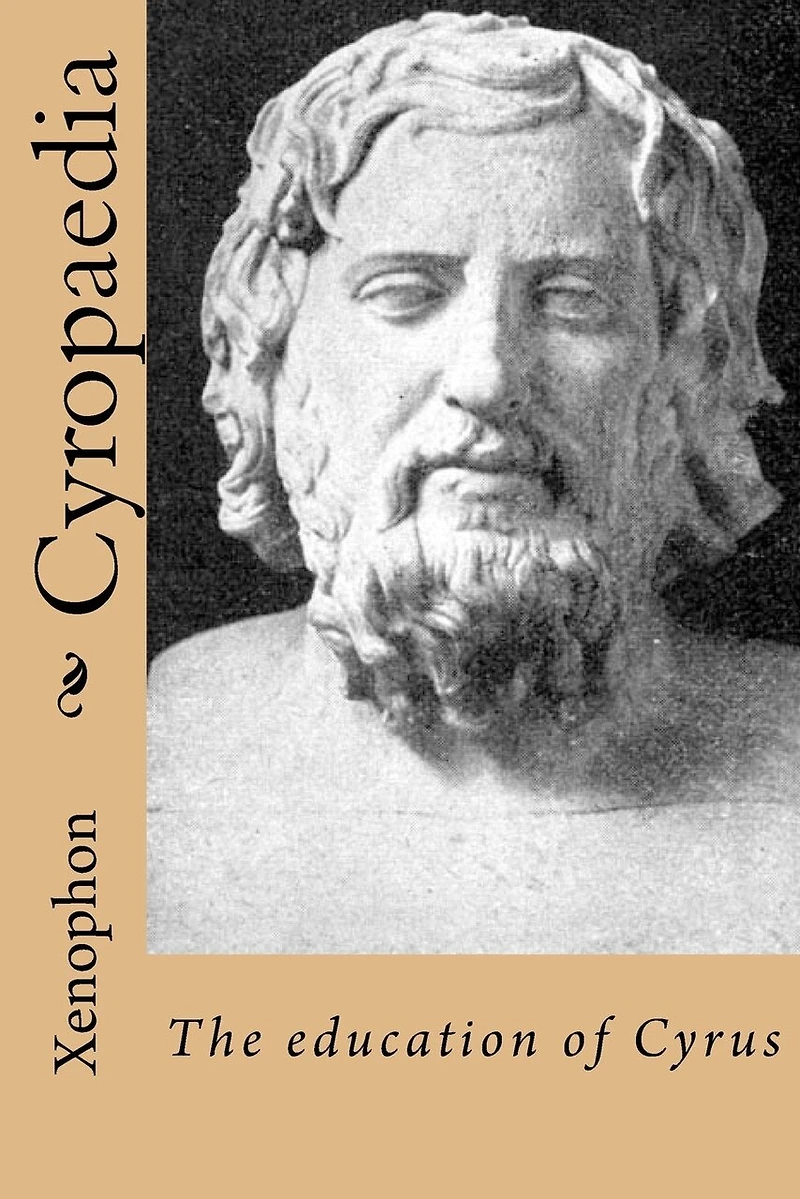
Cyropaedia: The education of Cyrus in Grande Prairie, AB
Current price: $33.50
Coles
Cyropaedia: The education of Cyrus in Grande Prairie, AB
Current price: $33.50
Loading Inventory...
Size: Paperback
*Product information and pricing may vary - to confirm current pricing, availability, shipping, and return information please contact Coles. In the event of a pricing discrepancy, the retailer's price will apply.
Xenophon was a mercenary, philosopher and military leader of ancient Greece born in Erchia near Athens around -4302, N 1 and died towards -3553. Besides the Anabasis, he wrote a sequel to the History of the War of the Peloponnese of Thucydides entitled The Hellenics. His historical work is impartial, according to Lucien de Samosate, one of the authors that Xenophon inspired. Xenophon prepared minds for the possibility and profits of the conquests of Alexander the Great: in the Anabasis, besides an idealized vision of Asia, he shows that an expeditionary force of elite soldiers can cross the Empire Persian undefeated 5. While he was initially close to the aristocratic ideals, he developed a political thought favorable to the monarchy Xenophon was a mercenary, philosopher and military leader of ancient Greece born in Erchia near Athens around -4302, N 1 and died towards -3553. Besides the Anabasis, he wrote a sequel to the History of the War of the Peloponnese of Thucydides entitled The Hellenics. His historical work is impartial, according to Lucien de Samosate, one of the authors that Xenophon inspired. Xenophon prepared minds for the possibility and profits of the conquests of Alexander the Great: in the Anabasis, besides an idealized vision of Asia, he shows that an expeditionary force of elite soldiers can cross the Empire Persian undefeated 5. While he was initially close to the aristocratic ideals, he developed a political thought favorable to the monarchy Henry Graham Dakyns, often H. G. Dakyns (1838-1911), was a British translator of Ancient Greek, best known for his translations of Xenophon: the Cyropaedia and Hellenica, The Economist, Hiero and On Horsemanship. Life Henry Graham Dakyns was born on Saint Vincent in the West Indies, the second son of Thomas Henry Dakyns of Rugby, Warwickshire. His mother Harriet Dasent was the sister of George Webbe Dasent, translator of the Icelandic sagas. He was educated at Rugby School and Trinity College, Cambridge, where he graduated BA in 1860.Dakyns was a tutor for Lord Alfred Tennyson's children, and subsequently House Master and Assistant Master at Clifton College from 1862 to 1889. Though he never played himself, he started the Rugby Football Club at Clifton College. Graham had numerous correspondences with Tennyson and his wife, Henry Sidgwick, John Addington Symonds and T.E. Brown and other nineteenth century literary figures
Xenophon was a mercenary, philosopher and military leader of ancient Greece born in Erchia near Athens around -4302, N 1 and died towards -3553. Besides the Anabasis, he wrote a sequel to the History of the War of the Peloponnese of Thucydides entitled The Hellenics. His historical work is impartial, according to Lucien de Samosate, one of the authors that Xenophon inspired. Xenophon prepared minds for the possibility and profits of the conquests of Alexander the Great: in the Anabasis, besides an idealized vision of Asia, he shows that an expeditionary force of elite soldiers can cross the Empire Persian undefeated 5. While he was initially close to the aristocratic ideals, he developed a political thought favorable to the monarchy Xenophon was a mercenary, philosopher and military leader of ancient Greece born in Erchia near Athens around -4302, N 1 and died towards -3553. Besides the Anabasis, he wrote a sequel to the History of the War of the Peloponnese of Thucydides entitled The Hellenics. His historical work is impartial, according to Lucien de Samosate, one of the authors that Xenophon inspired. Xenophon prepared minds for the possibility and profits of the conquests of Alexander the Great: in the Anabasis, besides an idealized vision of Asia, he shows that an expeditionary force of elite soldiers can cross the Empire Persian undefeated 5. While he was initially close to the aristocratic ideals, he developed a political thought favorable to the monarchy Henry Graham Dakyns, often H. G. Dakyns (1838-1911), was a British translator of Ancient Greek, best known for his translations of Xenophon: the Cyropaedia and Hellenica, The Economist, Hiero and On Horsemanship. Life Henry Graham Dakyns was born on Saint Vincent in the West Indies, the second son of Thomas Henry Dakyns of Rugby, Warwickshire. His mother Harriet Dasent was the sister of George Webbe Dasent, translator of the Icelandic sagas. He was educated at Rugby School and Trinity College, Cambridge, where he graduated BA in 1860.Dakyns was a tutor for Lord Alfred Tennyson's children, and subsequently House Master and Assistant Master at Clifton College from 1862 to 1889. Though he never played himself, he started the Rugby Football Club at Clifton College. Graham had numerous correspondences with Tennyson and his wife, Henry Sidgwick, John Addington Symonds and T.E. Brown and other nineteenth century literary figures
You May Also Like












Find at Prairie Mall in Grande Prairie, AB
Visit at Prairie Mall in Grande Prairie, AB