


Gifting Made Simple
Give the Gift of ChoiceClick below to purchase a Prairie Mall eGift Card that can be used at participating retailers at Prairie Mall.Buy Gift CardHome
Current Progress In Microbiology
Coles
Loading Inventory...
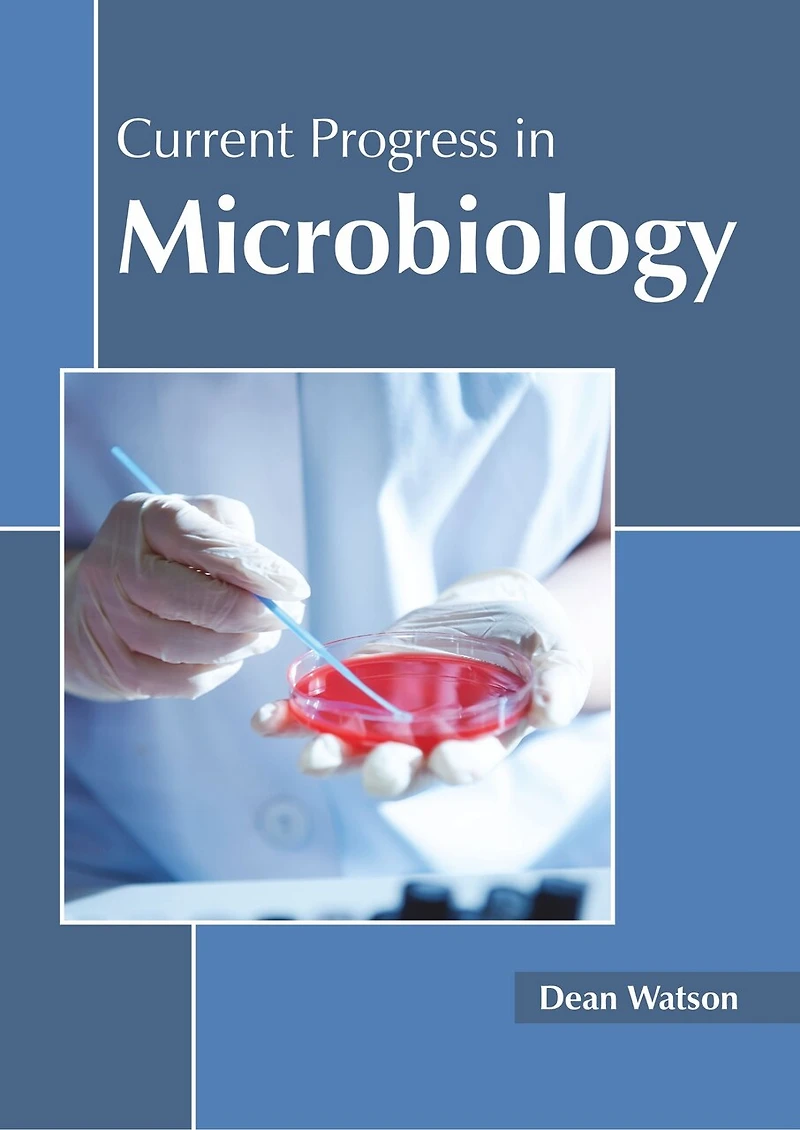
Current Progress In Microbiology in Grande Prairie, AB
Current price: $209.00
Coles
Current Progress In Microbiology in Grande Prairie, AB
Current price: $209.00
Loading Inventory...
Size: Hardcover
*Product information and pricing may vary - to confirm current pricing, availability, shipping, and return information please contact Coles. In the event of a pricing discrepancy, the retailer's price will apply.
Microbiology is the science concerned with the study of microorganisms, whether acellular, unicellular or multicellular. Unicellular organisms fall within the categories of prokaryotes and eukaryotes. Prokaryotes include bacteria and archaea, while eukaryotes include unicellular algae, fungi and protozoa. The primary candidates for acellular life are viruses. All species of plants, animals, algae and fungi are multicellular organisms. Some of the various sub-disciplines of microbiology are parasitology, bacteriology, virology and mycology. While many microbes are causative agents of various human diseases, many microorganisms have potential for human benefit. They are useful in industrial fermentation, particularly in the production of vinegar, alcohol and dairy products. They are also utilized for antibiotic production. Microorganisms are also used for the biosynthesis of cellulose, xanthan, cyanophycin, alginate, levan, etc. The ability of microorganisms to degrade toxic waste is of utmost importance for microbial biodegradation or bioremediation of agricultural, domestic and industrial wastes, and subsurface pollution in sediments, soils and marine environments. This book brings forth some of the most innovative concepts and elucidates the unexplored aspects of microbiology. Most of the topics introduced herein cover new techniques and applications of this field. It is a complete source of knowledge on the present status of this important field.
Microbiology is the science concerned with the study of microorganisms, whether acellular, unicellular or multicellular. Unicellular organisms fall within the categories of prokaryotes and eukaryotes. Prokaryotes include bacteria and archaea, while eukaryotes include unicellular algae, fungi and protozoa. The primary candidates for acellular life are viruses. All species of plants, animals, algae and fungi are multicellular organisms. Some of the various sub-disciplines of microbiology are parasitology, bacteriology, virology and mycology. While many microbes are causative agents of various human diseases, many microorganisms have potential for human benefit. They are useful in industrial fermentation, particularly in the production of vinegar, alcohol and dairy products. They are also utilized for antibiotic production. Microorganisms are also used for the biosynthesis of cellulose, xanthan, cyanophycin, alginate, levan, etc. The ability of microorganisms to degrade toxic waste is of utmost importance for microbial biodegradation or bioremediation of agricultural, domestic and industrial wastes, and subsurface pollution in sediments, soils and marine environments. This book brings forth some of the most innovative concepts and elucidates the unexplored aspects of microbiology. Most of the topics introduced herein cover new techniques and applications of this field. It is a complete source of knowledge on the present status of this important field.
You May Also Like


















Find at Prairie Mall in Grande Prairie, AB
Visit at Prairie Mall in Grande Prairie, AB