


Gifting Made Simple
Give the Gift of ChoiceClick below to purchase a Prairie Mall eGift Card that can be used at participating retailers at Prairie Mall.Buy Gift CardHome
Current Perspectives on the Treatment of Obstructive Sleep Apnea: Part II
Coles
Loading Inventory...
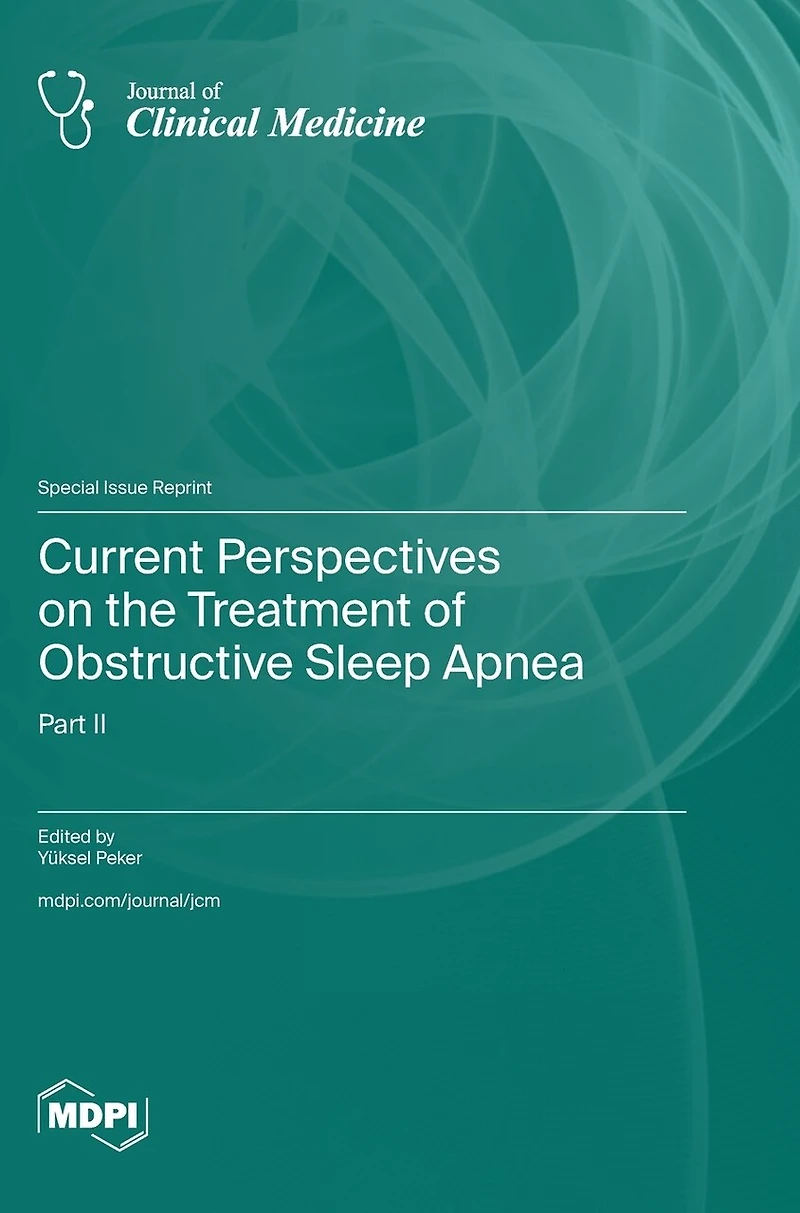
Current Perspectives on the Treatment of Obstructive Sleep Apnea: Part II in Grande Prairie, AB
Current price: $118.17
Coles
Current Perspectives on the Treatment of Obstructive Sleep Apnea: Part II in Grande Prairie, AB
Current price: $118.17
Loading Inventory...
Size: Hardcover
*Product information and pricing may vary - to confirm current pricing, availability, shipping, and return information please contact Coles. In the event of a pricing discrepancy, the retailer's price will apply.
Obstructive sleep apnea (OSA) is a common disorder with strong associations with cardiovascular, cerebrovascular, metabolic, and cognitive consequences. Continuous Positive Airway Pressure (CPAP) treatment is the first-line therapy for adults with OSA who are symptomatic. However, many individuals with comorbidities do not report symptoms associated with OSA, and adherence to CPAP is poor, especially in individuals with the non-sleepy OSA phenotype. This reprint contains further updates on the current perspectives on the treatment of OSA in order to highlight multidisciplinary approaches, personalized treatment strategies, and identification of the predictors of response to treatment, both in the general population and in clinical cohorts. Reviews regarding the present and future of physiological traits and the use of telemedicine and machine learning are of particular interest.
Obstructive sleep apnea (OSA) is a common disorder with strong associations with cardiovascular, cerebrovascular, metabolic, and cognitive consequences. Continuous Positive Airway Pressure (CPAP) treatment is the first-line therapy for adults with OSA who are symptomatic. However, many individuals with comorbidities do not report symptoms associated with OSA, and adherence to CPAP is poor, especially in individuals with the non-sleepy OSA phenotype. This reprint contains further updates on the current perspectives on the treatment of OSA in order to highlight multidisciplinary approaches, personalized treatment strategies, and identification of the predictors of response to treatment, both in the general population and in clinical cohorts. Reviews regarding the present and future of physiological traits and the use of telemedicine and machine learning are of particular interest.















Find at Prairie Mall in Grande Prairie, AB
Visit at Prairie Mall in Grande Prairie, AB