


Gifting Made Simple
Give the Gift of ChoiceClick below to purchase a Prairie Mall eGift Card that can be used at participating retailers at Prairie Mall.Buy Gift CardHome
Cultural Memory Seamus Heaney's Late Work
Coles
Loading Inventory...
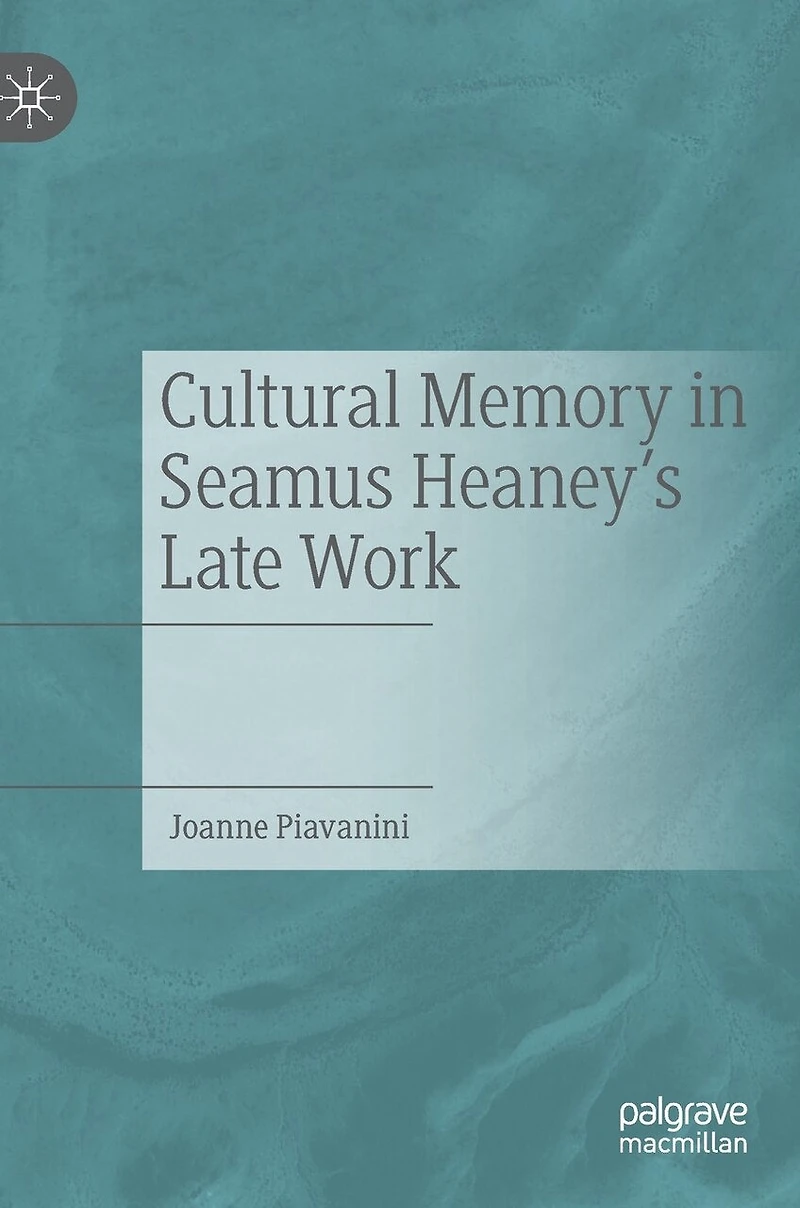
Cultural Memory Seamus Heaney's Late Work in Grande Prairie, AB
Current price: $80.50
Coles
Cultural Memory Seamus Heaney's Late Work in Grande Prairie, AB
Current price: $80.50
Loading Inventory...
Size: Hardcover
*Product information and pricing may vary - to confirm current pricing, availability, shipping, and return information please contact Coles. In the event of a pricing discrepancy, the retailer's price will apply.
Cultural Memory in Seamus Heaney's Late Work considers the ways that memory functions in Heaney's poetry. Joanne Piavanini argues that the shaping of collective memory is one of Heaney's major contributions as a poet. Locating Heaney in a transnational literary sphere, this book argues that his late work isdefined by a type of cosmopolitanism openness: the work moves beyond national identity to explore multiple allegiances and identifications. Moreover, Piavanini demonstrates that memory is a helpful lens to look at Heaney's late work, in particular, because of the interplay of past, present and future in these works: in the construction of a collective memory of the Troubles; in the use of the elegy to commemorate the passing of important contemporary poets; in his writing on events with transnational significance, such as 9/11; in the slippages between past and present in poems about his family; and through the literary afterlives of texts-specifically, his appropriation of canonical classical texts. Drawing on approaches and concepts from memory studies, Piavanini considers Heaney's late work to develop an analysis of poetry as a vehicle of memory.
Cultural Memory in Seamus Heaney's Late Work considers the ways that memory functions in Heaney's poetry. Joanne Piavanini argues that the shaping of collective memory is one of Heaney's major contributions as a poet. Locating Heaney in a transnational literary sphere, this book argues that his late work isdefined by a type of cosmopolitanism openness: the work moves beyond national identity to explore multiple allegiances and identifications. Moreover, Piavanini demonstrates that memory is a helpful lens to look at Heaney's late work, in particular, because of the interplay of past, present and future in these works: in the construction of a collective memory of the Troubles; in the use of the elegy to commemorate the passing of important contemporary poets; in his writing on events with transnational significance, such as 9/11; in the slippages between past and present in poems about his family; and through the literary afterlives of texts-specifically, his appropriation of canonical classical texts. Drawing on approaches and concepts from memory studies, Piavanini considers Heaney's late work to develop an analysis of poetry as a vehicle of memory.
You May Also Like









Find at Prairie Mall in Grande Prairie, AB
Visit at Prairie Mall in Grande Prairie, AB