


Gifting Made Simple
Give the Gift of ChoiceClick below to purchase a Prairie Mall eGift Card that can be used at participating retailers at Prairie Mall.Buy Gift CardHome
Cultivating Machines: The Use and Maintenance of Technology in Midwestern Agriculture, 1845–1900
Coles
Loading Inventory...
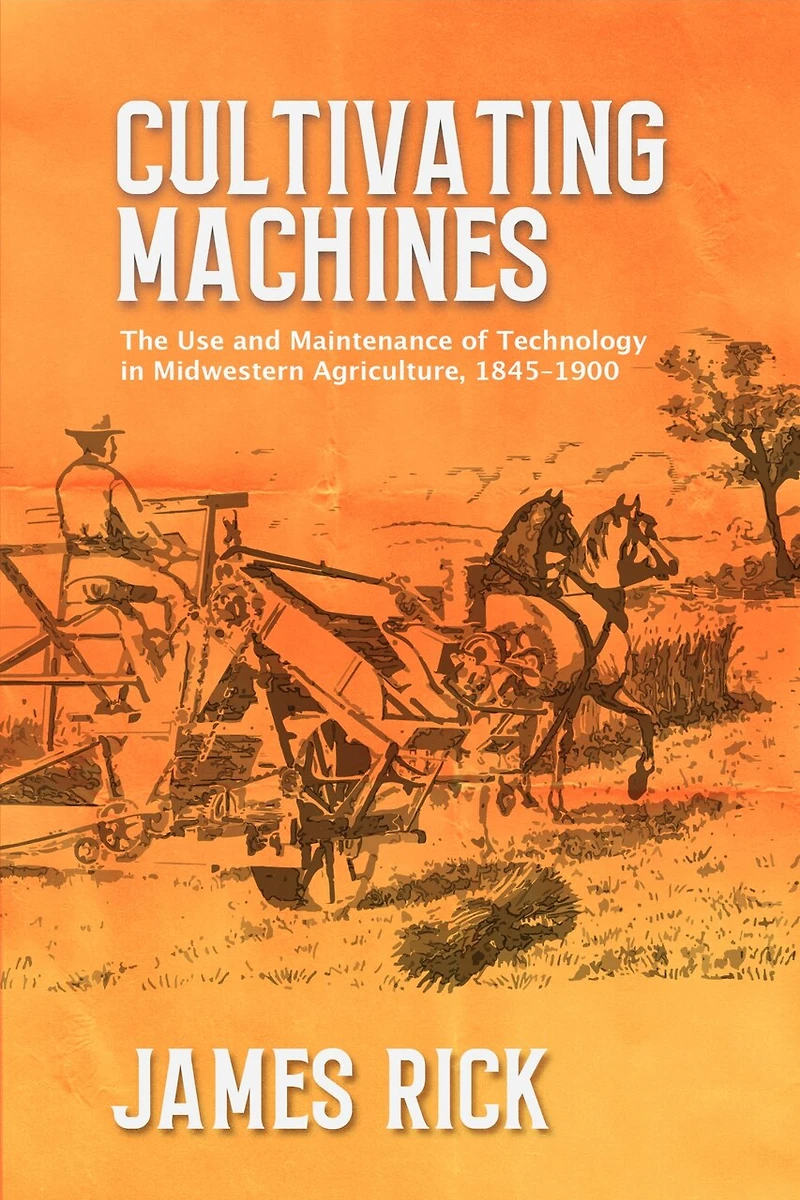
Cultivating Machines: The Use and Maintenance of Technology in Midwestern Agriculture, 1845–1900 in Grande Prairie, AB
Current price: $64.95
Coles
Cultivating Machines: The Use and Maintenance of Technology in Midwestern Agriculture, 1845–1900 in Grande Prairie, AB
Current price: $64.95
Loading Inventory...
Size: Paperback
*Product information and pricing may vary - to confirm current pricing, availability, shipping, and return information please contact Coles. In the event of a pricing discrepancy, the retailer's price will apply.
How farmers shaped the development of agricultural machinery
Throughout the second half of the nineteenth century, farmers in the midwestern United States and in Ontario began adopting new agricultural machines: threshers, reapers, and drills for more efficient production of grains, as well as sewing and washing machines for more efficient production within the farm household. By using, maintaining, and altering these machines within the natural and social contexts of their farms, rural people produced new technological systems of industrial agriculture. They also struggled with machine manufacturers and their agents for control of those systems—both individually and through farmers’ organizations. Cultivating Machines contributes to historiographies of capitalism, technology, and agriculture as it demonstrates the importance of everyday know-how and informed tinkering to the mechanization of grain agriculture.
In this study, James Rick moves from the middle decades of the nineteenth century, and the introduction of horse-powered machines, to the end of the century, when mechanized technologies became indispensable and central parts of farms themselves. Ultimately, large-scale wheat production, the increased complexity of machines, the need for replacement parts, and the efforts of manufacturers and their agents to assert themselves as authorities over industrial agriculture diminished the technological independence of farming people.
How farmers shaped the development of agricultural machinery
Throughout the second half of the nineteenth century, farmers in the midwestern United States and in Ontario began adopting new agricultural machines: threshers, reapers, and drills for more efficient production of grains, as well as sewing and washing machines for more efficient production within the farm household. By using, maintaining, and altering these machines within the natural and social contexts of their farms, rural people produced new technological systems of industrial agriculture. They also struggled with machine manufacturers and their agents for control of those systems—both individually and through farmers’ organizations. Cultivating Machines contributes to historiographies of capitalism, technology, and agriculture as it demonstrates the importance of everyday know-how and informed tinkering to the mechanization of grain agriculture.
In this study, James Rick moves from the middle decades of the nineteenth century, and the introduction of horse-powered machines, to the end of the century, when mechanized technologies became indispensable and central parts of farms themselves. Ultimately, large-scale wheat production, the increased complexity of machines, the need for replacement parts, and the efforts of manufacturers and their agents to assert themselves as authorities over industrial agriculture diminished the technological independence of farming people.
You May Also Like















Find at Prairie Mall in Grande Prairie, AB
Visit at Prairie Mall in Grande Prairie, AB