


Gifting Made Simple
Give the Gift of ChoiceClick below to purchase a Prairie Mall eGift Card that can be used at participating retailers at Prairie Mall.Buy Gift CardHome
Cuba and the New <I>Origenismo</I>
Coles
Loading Inventory...
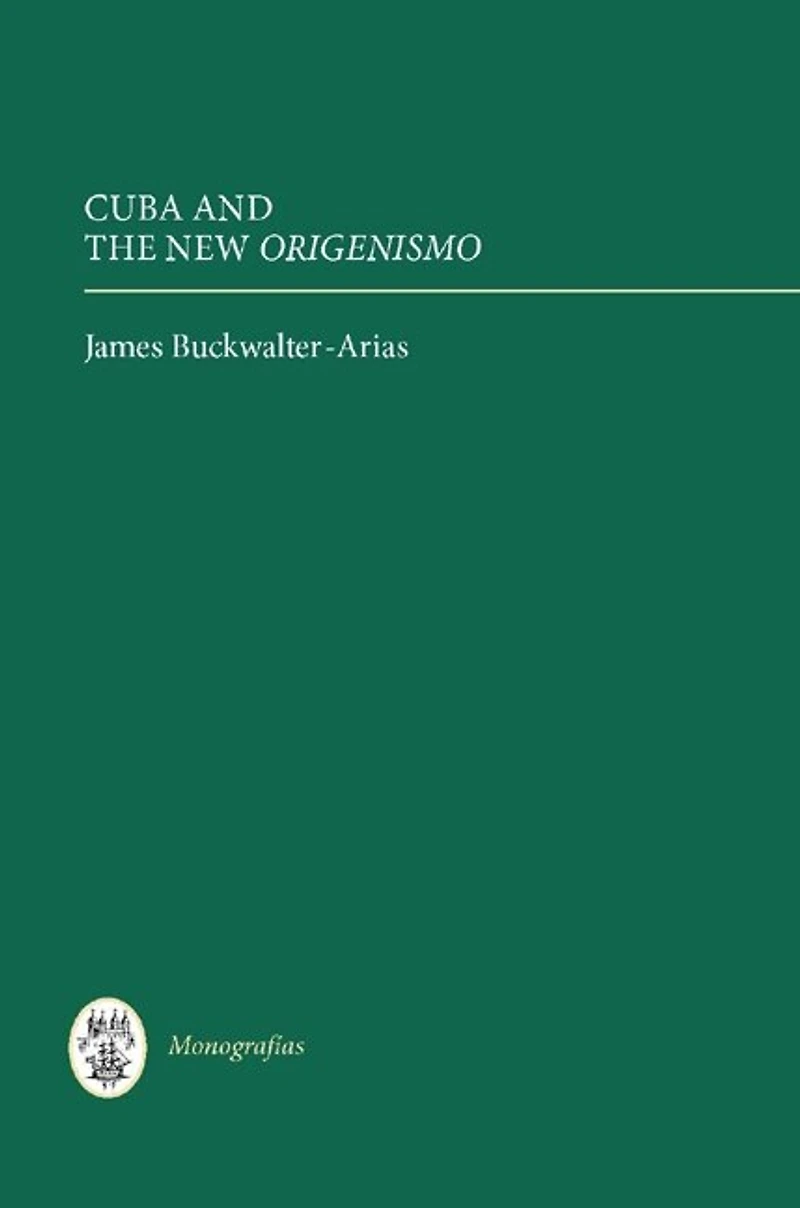
Cuba and the New <I>Origenismo</I> in Grande Prairie, AB
Current price: $147.00
Coles
Cuba and the New <I>Origenismo</I> in Grande Prairie, AB
Current price: $147.00
Loading Inventory...
Size: Hardcover
*Product information and pricing may vary - to confirm current pricing, availability, shipping, and return information please contact Coles. In the event of a pricing discrepancy, the retailer's price will apply.
1990s' Cuban literature, caught between a beleaguered socialism and an encroaching global capitalism.
The literary texts examined in this study were written in the 1990s, in the wake of a paradigm crisis for socialism and revolution. While Cuban literature was being re-commodified for an international publishing industry, variousCuban writers [Eliseo Alberto, Jesús Díaz, Leonardo Padura, Senel Paz, Antonio José Ponte] reclaimed the cultural movement associated with the magazine Orígenes [1944-1956].
Disparaged and marginalized in the 1970s, the origenistas now constituted an emblem of literature's autonomy from the state and of its foundation in an authentic aesthetic sensibility. This neo-origenismo framed an ostensibly modernist literary utopia in thewreckage of a socialist utopia, at a historical moment in which both of these counter-hegemonic projects were overpowered by the culture industry of consumer capitalism.
The new origenismo thus speaks to the suspension of Cuban literature between the nation state and the transnational market, and indeed, to the suspension of Cuba itself between a beleaguered socialism and an encroaching global capitalism.
JAMES BUCKWALTER-ARIAS is an Associate Professor of Spanish at Hanover College, Indiana.
1990s' Cuban literature, caught between a beleaguered socialism and an encroaching global capitalism.
The literary texts examined in this study were written in the 1990s, in the wake of a paradigm crisis for socialism and revolution. While Cuban literature was being re-commodified for an international publishing industry, variousCuban writers [Eliseo Alberto, Jesús Díaz, Leonardo Padura, Senel Paz, Antonio José Ponte] reclaimed the cultural movement associated with the magazine Orígenes [1944-1956].
Disparaged and marginalized in the 1970s, the origenistas now constituted an emblem of literature's autonomy from the state and of its foundation in an authentic aesthetic sensibility. This neo-origenismo framed an ostensibly modernist literary utopia in thewreckage of a socialist utopia, at a historical moment in which both of these counter-hegemonic projects were overpowered by the culture industry of consumer capitalism.
The new origenismo thus speaks to the suspension of Cuban literature between the nation state and the transnational market, and indeed, to the suspension of Cuba itself between a beleaguered socialism and an encroaching global capitalism.
JAMES BUCKWALTER-ARIAS is an Associate Professor of Spanish at Hanover College, Indiana.










Find at Prairie Mall in Grande Prairie, AB
Visit at Prairie Mall in Grande Prairie, AB