


Gifting Made Simple
Give the Gift of ChoiceClick below to purchase a Prairie Mall eGift Card that can be used at participating retailers at Prairie Mall.Buy Gift CardHome
Critical Game Theory: Humanistic and Radical Alternatives to the Mainstream
Coles
Loading Inventory...
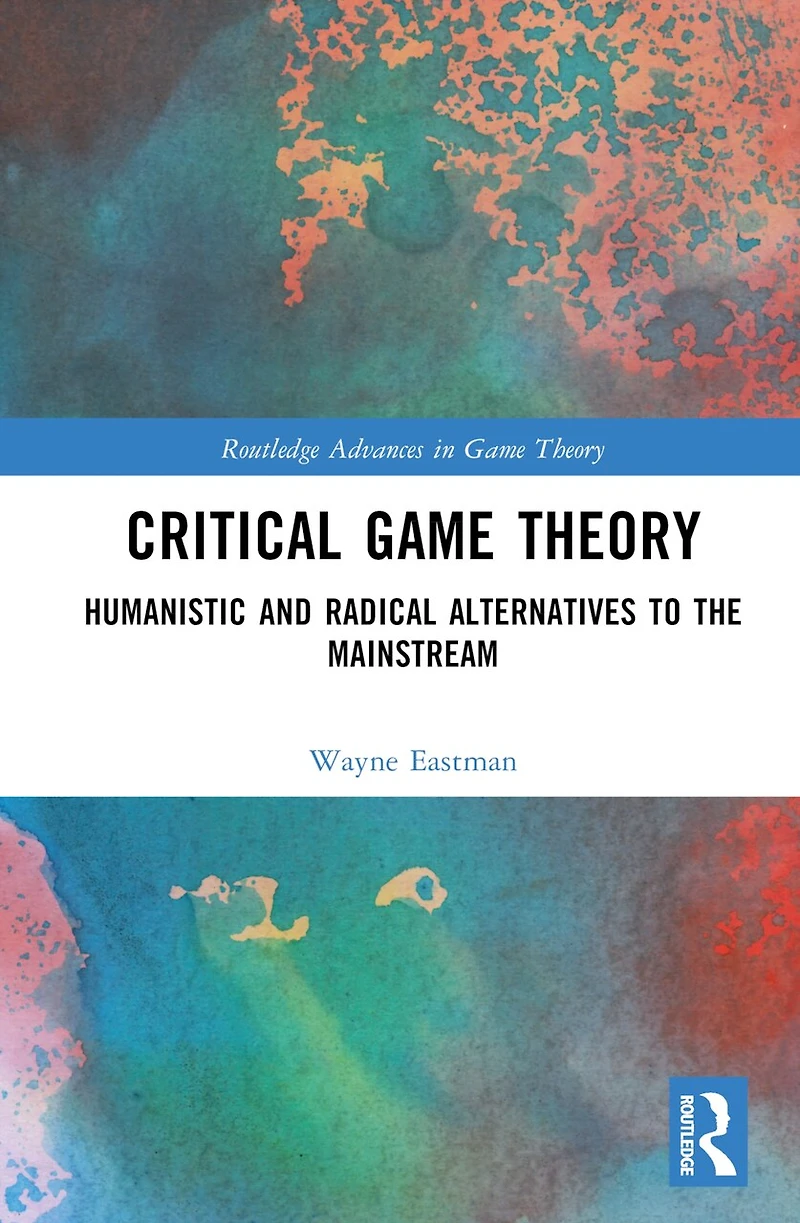
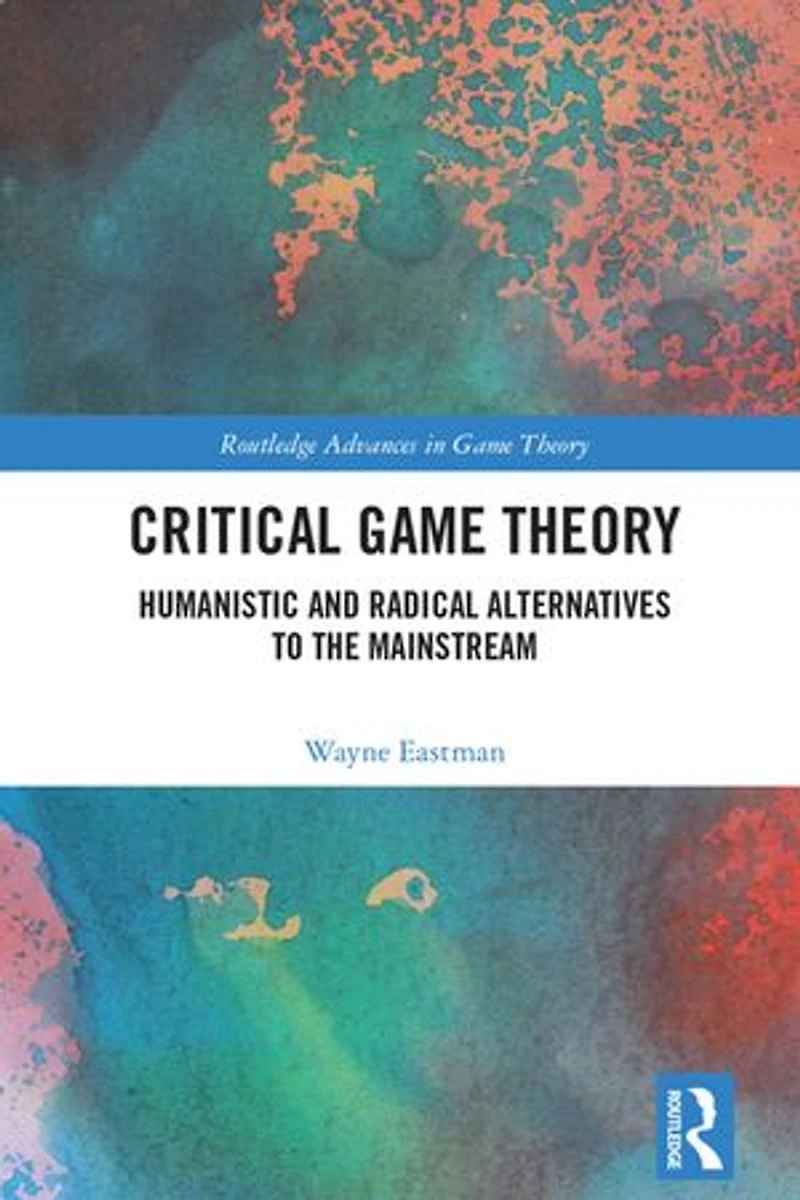
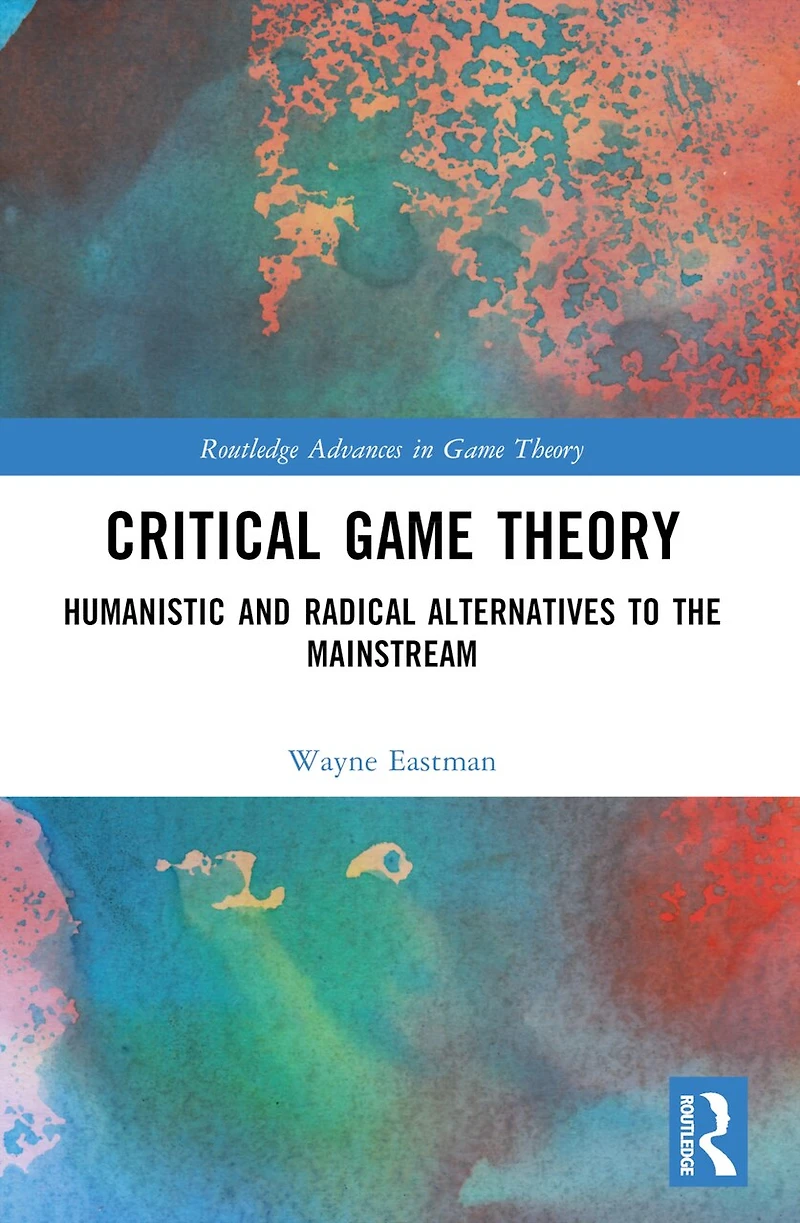
Critical Game Theory: Humanistic and Radical Alternatives to the Mainstream in Grande Prairie, AB
Current price: $346.50
Coles
Critical Game Theory: Humanistic and Radical Alternatives to the Mainstream in Grande Prairie, AB
Current price: $346.50
Loading Inventory...
Size: Hardcover
*Product information and pricing may vary - to confirm current pricing, availability, shipping, and return information please contact Coles. In the event of a pricing discrepancy, the retailer's price will apply.
The models in mainstream game theory generally assume that actors act according to a single, consistent utility function. Empirical studies, common sense, and humanistic wisdom all suggest that that assumption is too simple. This book starts with an assumption that actors are controlled by diverse, inconsistent forces and demonstrates that introducing this level of complexity allows for the creation of critical game theory models that can help to attain new insights into nature, human nature, human institutions, and human behavior. The book begins with an evolutionary, or Evo, model in which the players have concerns for the other player as well as egoistic interests. Part I analyzes the Prisoner's Dilemma using a literary, or Lit, model in which the players have entropic, or Entro, masochistic and sadistic drives as well as altruistic and egoistic ones. Part II suggests that the Lit model opens the door to a "where Entro is, let Evo be" critical perspective on politics. Part III considers how core stories in mainstream game theory can be usefully supplemented and deepened by critical models and reflects on possible futures for critical game theory. The discussion of games and subgames includes poems as well as matrices, in pursuit of a mode of presentation that respects the complex, simultaneously humanistic and scientific qualities of critical game theory. The vision of critical game theory advanced in the book will be of significant interest to researchers in an array of theoretical and applied disciplines, including but not limited to literature, psychology, political science, economics, computer science, ethics, business ethics, law, and law and economics.
The models in mainstream game theory generally assume that actors act according to a single, consistent utility function. Empirical studies, common sense, and humanistic wisdom all suggest that that assumption is too simple. This book starts with an assumption that actors are controlled by diverse, inconsistent forces and demonstrates that introducing this level of complexity allows for the creation of critical game theory models that can help to attain new insights into nature, human nature, human institutions, and human behavior. The book begins with an evolutionary, or Evo, model in which the players have concerns for the other player as well as egoistic interests. Part I analyzes the Prisoner's Dilemma using a literary, or Lit, model in which the players have entropic, or Entro, masochistic and sadistic drives as well as altruistic and egoistic ones. Part II suggests that the Lit model opens the door to a "where Entro is, let Evo be" critical perspective on politics. Part III considers how core stories in mainstream game theory can be usefully supplemented and deepened by critical models and reflects on possible futures for critical game theory. The discussion of games and subgames includes poems as well as matrices, in pursuit of a mode of presentation that respects the complex, simultaneously humanistic and scientific qualities of critical game theory. The vision of critical game theory advanced in the book will be of significant interest to researchers in an array of theoretical and applied disciplines, including but not limited to literature, psychology, political science, economics, computer science, ethics, business ethics, law, and law and economics.
You May Also Like









Find at Prairie Mall in Grande Prairie, AB
Visit at Prairie Mall in Grande Prairie, AB