


Gifting Made Simple
Give the Gift of ChoiceClick below to purchase a Prairie Mall eGift Card that can be used at participating retailers at Prairie Mall.Buy Gift CardHome
Crip Screens: Countering Psychiatric Media Technologies
Coles
Loading Inventory...
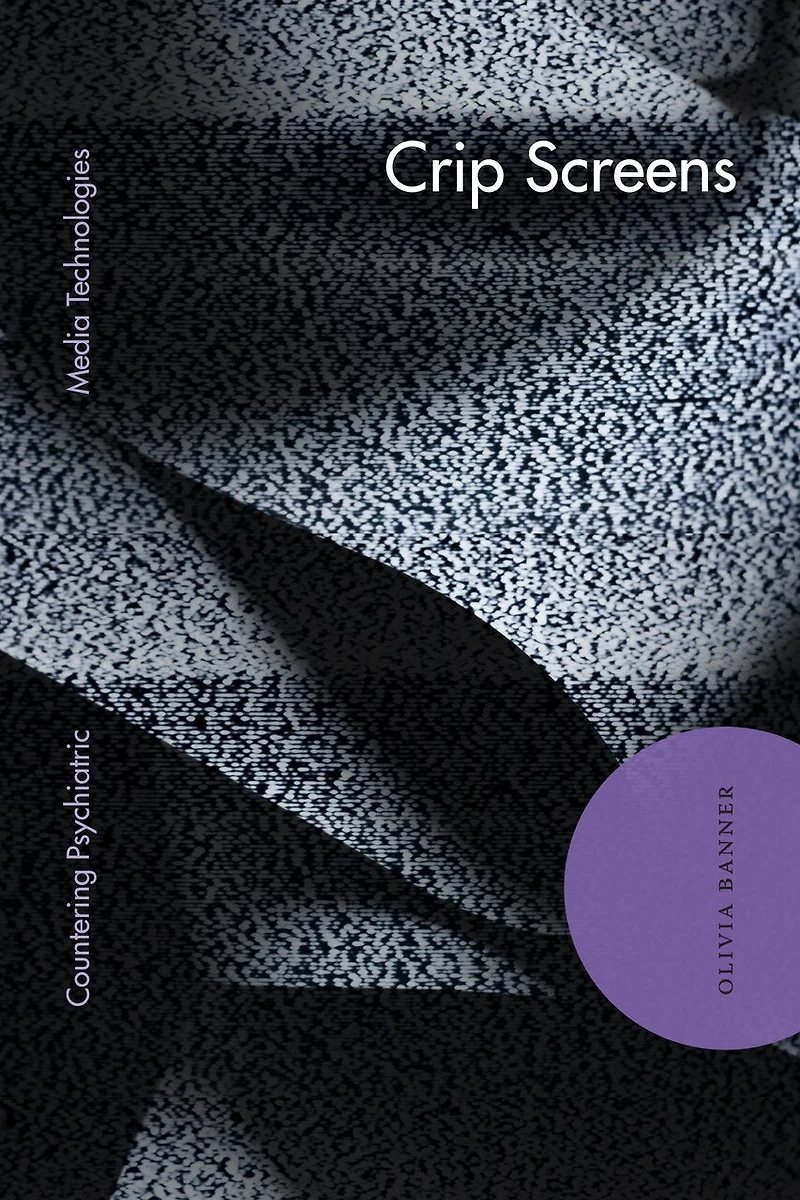
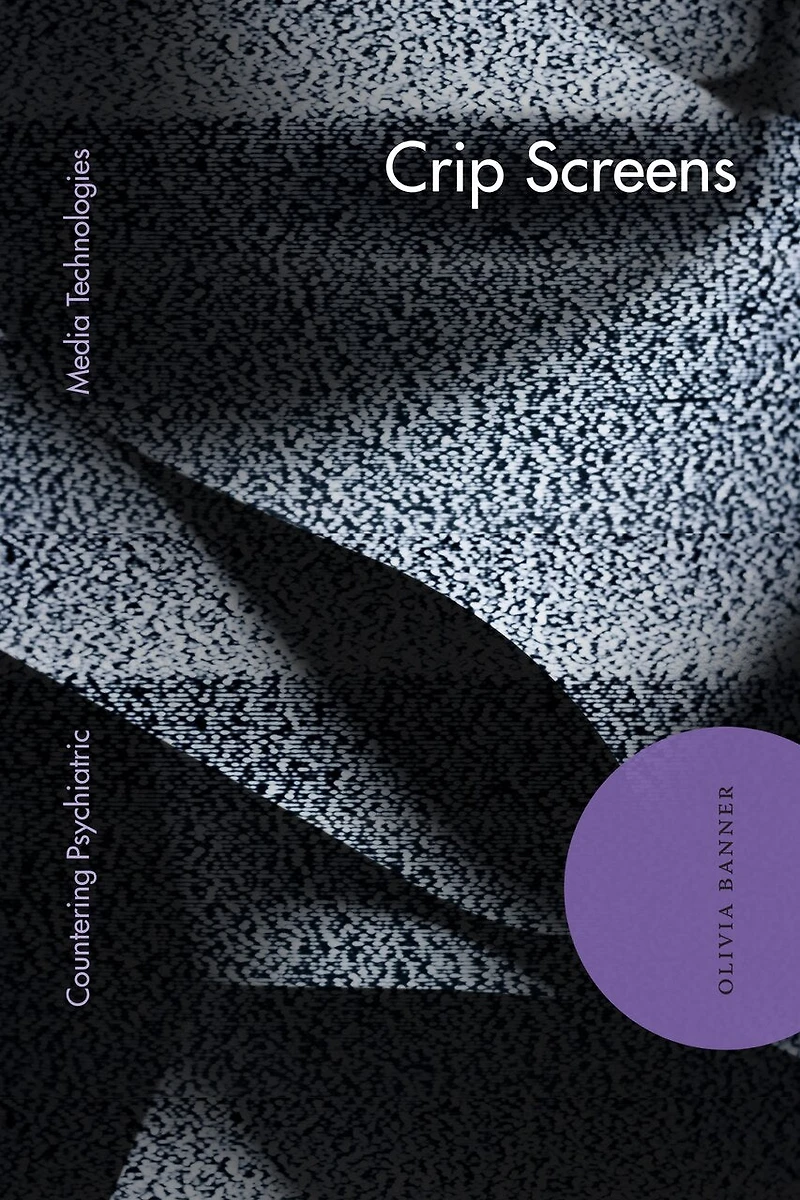
Crip Screens: Countering Psychiatric Media Technologies in Grande Prairie, AB
Current price: $135.95
Coles
Crip Screens: Countering Psychiatric Media Technologies in Grande Prairie, AB
Current price: $135.95
Loading Inventory...
Size: Hardcover
*Product information and pricing may vary - to confirm current pricing, availability, shipping, and return information please contact Coles. In the event of a pricing discrepancy, the retailer's price will apply.
In Crip Screens , Olivia Banner provides a wide-ranging and ongoing history of Black, feminist-of-color, and crip resistance to psychiatry's incorporation of hegemonic media technologies into treatment and research. Banner shows how institutions use documentary films, data visualization, network graphs, therapy chatbots, virtual patient training programs, and pharmaceutical advertising to pathologize certain people as "deviant" and "mentally ill." Those people so categorized have used media technologies toward alternative visions of care. Examining insurgent media and technology efforts in the 1960s and 1970s, Banner shows how women and communities of color worked to wrest away from psychiatry its hold over representing mental distress and pathological categorization. These efforts and innovations, she argues, were distinct from what is now accepted as the antipsychiatry movement. In so doing, Banner recovers a lost history of disability politics--what she calls crip screens --that refused psychiatry's use of cultural productions toward its carceral and subjugating designs.
In Crip Screens , Olivia Banner provides a wide-ranging and ongoing history of Black, feminist-of-color, and crip resistance to psychiatry's incorporation of hegemonic media technologies into treatment and research. Banner shows how institutions use documentary films, data visualization, network graphs, therapy chatbots, virtual patient training programs, and pharmaceutical advertising to pathologize certain people as "deviant" and "mentally ill." Those people so categorized have used media technologies toward alternative visions of care. Examining insurgent media and technology efforts in the 1960s and 1970s, Banner shows how women and communities of color worked to wrest away from psychiatry its hold over representing mental distress and pathological categorization. These efforts and innovations, she argues, were distinct from what is now accepted as the antipsychiatry movement. In so doing, Banner recovers a lost history of disability politics--what she calls crip screens --that refused psychiatry's use of cultural productions toward its carceral and subjugating designs.
You May Also Like
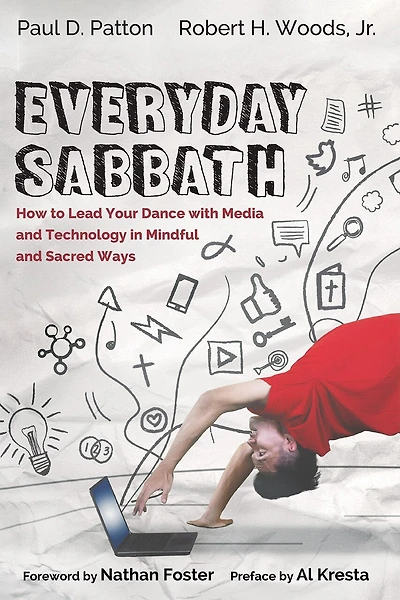













Find at Prairie Mall in Grande Prairie, AB
Visit at Prairie Mall in Grande Prairie, AB