


Gifting Made Simple
Give the Gift of ChoiceClick below to purchase a Prairie Mall eGift Card that can be used at participating retailers at Prairie Mall.Buy Gift CardHome
Criminal Law Without Punishment: How Our Society Might Benefit From Abolishing Punitive Sanctions
Coles
Loading Inventory...
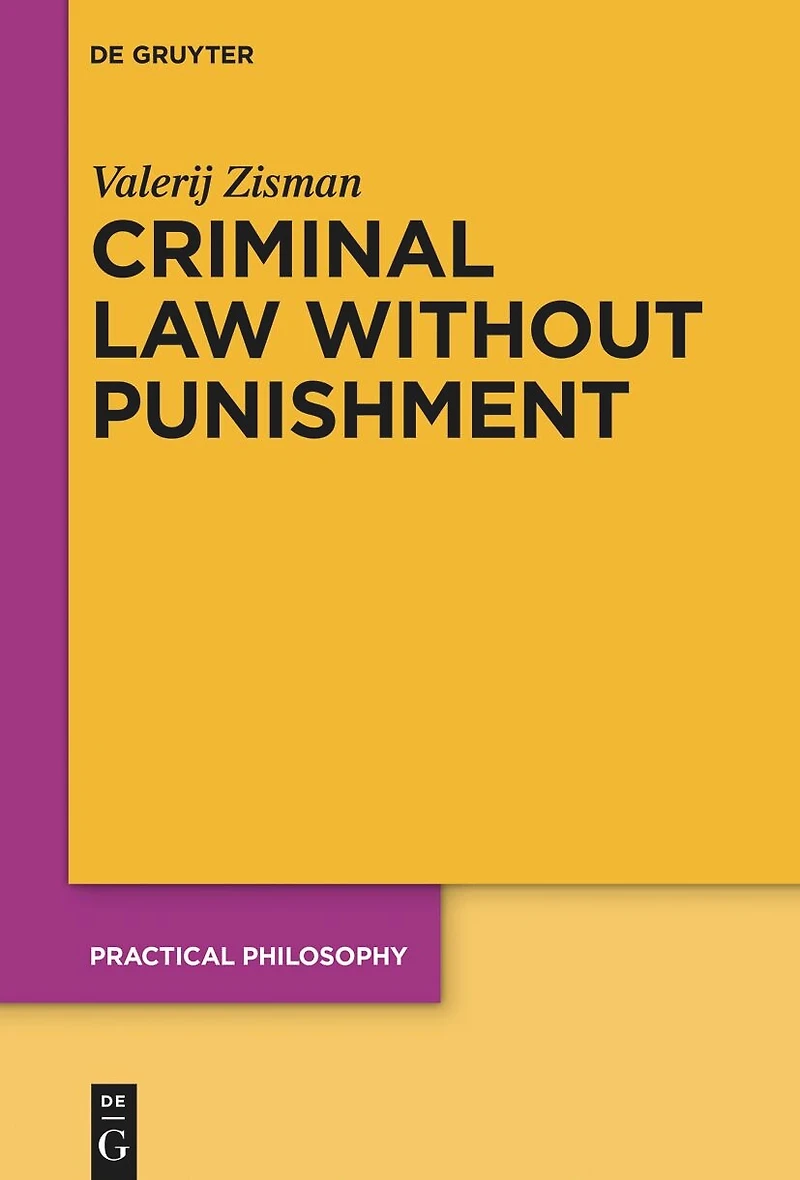
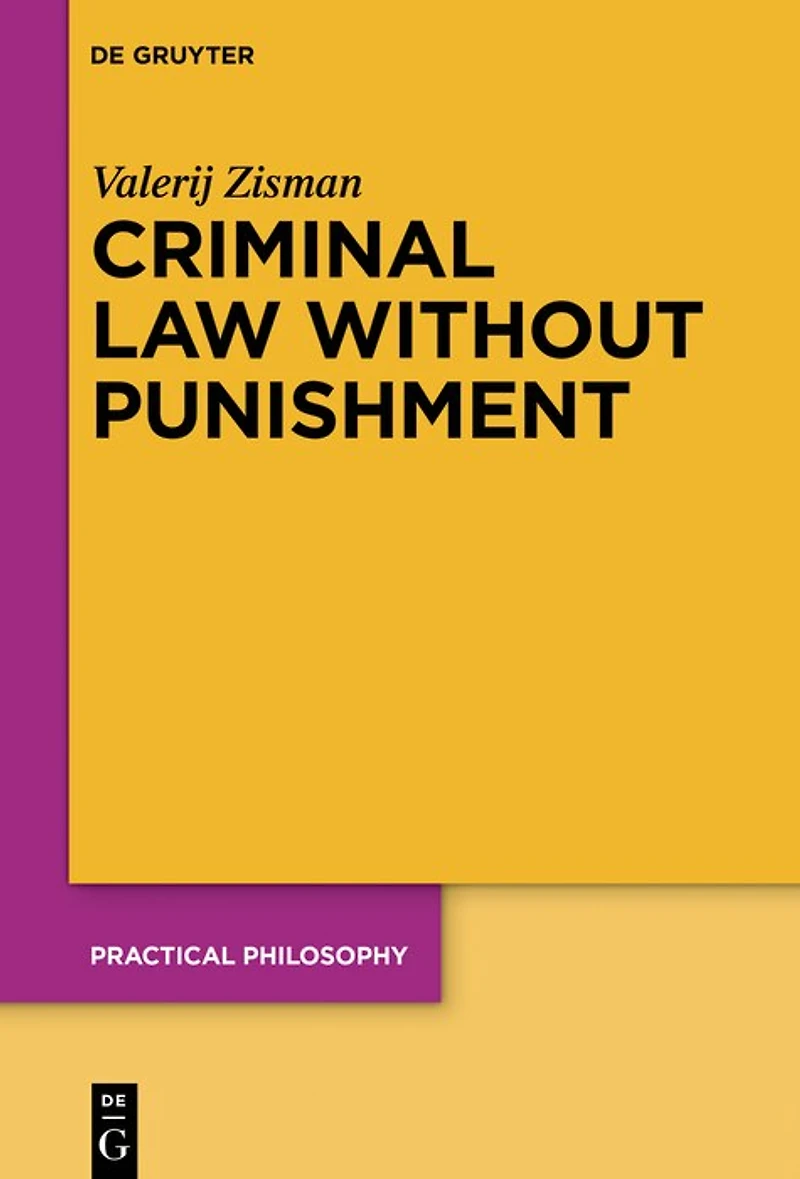
Criminal Law Without Punishment: How Our Society Might Benefit From Abolishing Punitive Sanctions in Grande Prairie, AB
Current price: $196.99
Coles
Criminal Law Without Punishment: How Our Society Might Benefit From Abolishing Punitive Sanctions in Grande Prairie, AB
Current price: $196.99
Loading Inventory...
Size: Hardcover
*Product information and pricing may vary - to confirm current pricing, availability, shipping, and return information please contact Coles. In the event of a pricing discrepancy, the retailer's price will apply.
How can criminal punishment be morally justified? Zisman addresses this classical question in legal philosophy. He provides two maybe surprising answers to the question. First, as for a methodological claim, it argues that this question cannot be answered by philosophers and legal scholars alone. Rather, we need to take into account research from social psychology, economy, anthropology, and so on in order to properly analyze the arguments in defense of criminal punishment. Second, the book argues that when such research is properly accounted for, none of the current attempts to justify criminal punishment succeed. But that does not imply that the state should do nothing about criminal wrongdoing. Rather, the arguments that were supposed to justify criminal punishment actually speak in favor of an alternative approach to criminal law: restitution to the victim and restorative justice. That is to say, the state should coerce offenders to provide restitution for the harm inflicted on victims, and whenever possible restorative approaches should be taken to address criminal wrongdoing.
How can criminal punishment be morally justified? Zisman addresses this classical question in legal philosophy. He provides two maybe surprising answers to the question. First, as for a methodological claim, it argues that this question cannot be answered by philosophers and legal scholars alone. Rather, we need to take into account research from social psychology, economy, anthropology, and so on in order to properly analyze the arguments in defense of criminal punishment. Second, the book argues that when such research is properly accounted for, none of the current attempts to justify criminal punishment succeed. But that does not imply that the state should do nothing about criminal wrongdoing. Rather, the arguments that were supposed to justify criminal punishment actually speak in favor of an alternative approach to criminal law: restitution to the victim and restorative justice. That is to say, the state should coerce offenders to provide restitution for the harm inflicted on victims, and whenever possible restorative approaches should be taken to address criminal wrongdoing.








Find at Prairie Mall in Grande Prairie, AB
Visit at Prairie Mall in Grande Prairie, AB